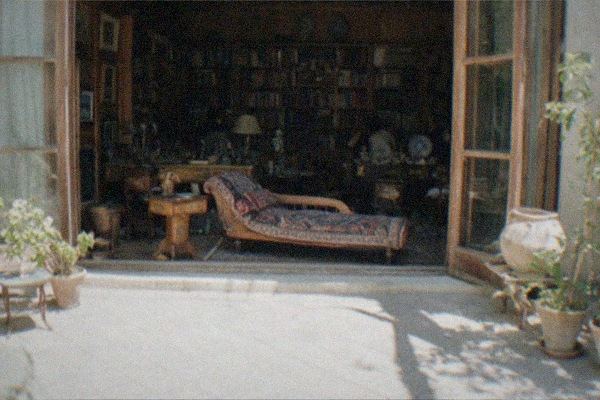
Freud Museum
Hampstead · Iconic psychoanalytic couch and Anna Freud's contributions.
Sigmund Freud's final home with study, couch, and antiquities collection.
from $20.18per person, live price on the listing Check availability →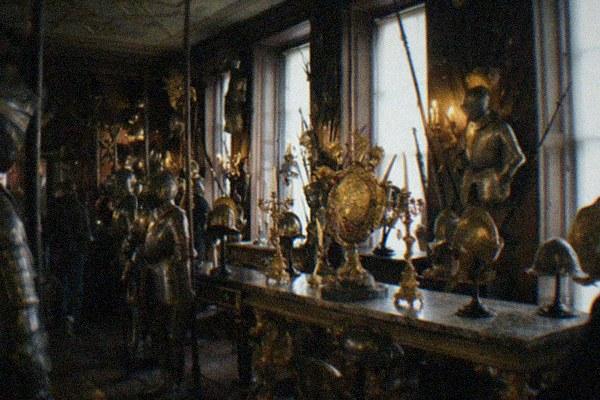
Free entry, no ticket needed.
Arms and armour collection
Plan your visit →Opens the museum's own visitor page. There is nothing to book: the permanent collection is free.
The Wallace Collection is a national museum of fine and decorative arts housed in a historic Marylebone townhouse, best known for one of Europe's finest arms and armour collections. It suits anyone who prefers Old Master paintings and gleaming steel to crowds, and it costs nothing to walk in.
A historic Manchester Square townhouse holds Old Master paintings, Sèvres porcelain, furniture by the greatest French cabinetmakers, and the museum's celebrated arms and armour collection, widely regarded as among the finest in Europe. Admission covers all of it, from the ground-floor galleries to the first-floor picture rooms.
The armour is the headline act. Rooms of European and Oriental arms and armour fill the ground floor, and this is the collection the Wallace is genuinely famous for: rapiers and broadswords, parade armour, Ottoman and Indo-Persian mail, saddles, shields and duelling equipment, displayed in long cases that run the length of several galleries. There is a whole room devoted to armour for man and horse, arranged as it would have appeared in a Renaissance arsenal. Visitors who come for nothing else tend to come for this.
The pictures upstairs reward more patience. The collection holds works by Titian, Rembrandt, Frans Hals, Velázquez, Rubens, Van Dyck, Poussin, Canaletto and Fragonard, including Fragonard's The Swing, which has become one of the museum's signature paintings. The hang is dense in the old townhouse manner: paintings stacked two and three high, gilded frames packed along panelled walls, gilded ceilings overhead. It feels closer to a private palace than a modern gallery, which is exactly what it is.
The decorative arts between the two fill out the story. There are Louis XV and Louis XVI cabinets by makers such as André-Charles Boulle, cases of Sèvres porcelain, gold boxes, snuffboxes, and objects bought by the Marquesses of Hertford and Sir Richard Wallace during the nineteenth century. It is a house collection of the very grandest sort, and the museum's own site at https://www.wallacecollection.org/ carries full room-by-room guides if you want to plan which galleries to prioritise.
One honest note on comparisons: the Wallace is not a big museum by London standards. You can see the armour, a decent sweep of the pictures and the porcelain in a single unhurried visit, whereas somewhere like the National Gallery needs repeat trips to do properly. That compactness is part of the appeal. If you enjoy this kind of enclosed, collector-driven display, the Courtauld Gallery in Somerset House is the closest thing to it in central London, though the Courtauld charges for entry while the Wallace does not.
Entry to the Wallace Collection is free to all, year round, and no ticket is needed for the permanent collection. Under-18s are also free. Some temporary exhibitions and events carry a separate charge, so those are the only costs you need to plan around.
This is a genuinely free national museum, not a museum with a free tier and a paid default. You walk into Manchester Square, go up to the door, and you are in. There is no timed slot, no online booking wall, and no suggested donation enforced at the entrance in the way some large museums handle it. For a museum of this quality, in zone 1, that is unusual and worth stating plainly: the Rembrandts, the Fragonard, the armour halls, all of it costs nothing.
The exceptions are the changing programme of ticketed exhibitions and special events. These are temporary, they vary through the year, and pricing is set per show, so if a particular exhibition is why you are going, check the current price on the museum's own site rather than relying on any third-party figure. The permanent collection remains free regardless of what is running in the exhibition space. For families, note that while under-18s are free, advance booking may be required for busy periods, particularly school holidays and large group visits. That booking, when needed, is done through the museum directly.
Because the collection was assembled by private individuals and left to the nation under terms that keep it together and unaltered, what you see is what was given. There are no blockbuster reshuffles of the main hang, so repeat visits feel consistent. If you want a different route into London art without spending anything either, the National Gallery on Trafalgar Square is also free at the door; the difference is scale and crowds. The Moco Museum, by contrast, is a paid, ticketed contemporary space, closer in price model to the Wallace's special exhibitions than to the Wallace itself.
| Item | Cost | Notes |
|---|---|---|
| Permanent collection entry, adults | Free | No ticket needed, year round |
| Entry, under-18s | Free | Advance booking may be required for busy periods |
| Temporary exhibitions | on the museum's site | Some exhibitions or events are paid; price varies by show |
| Ticketed events (talks, performances) | on the museum's site | Charged separately when they run |
| Official booking and details | wallacecollection.org | Always the source for current exhibition prices |
Allow roughly two hours for a comfortable visit, enough for the armour galleries, the picture rooms and a wander through the decorative arts. An hour works for a focused trip to the highlights. Timing matters less here than at the big nationals, because the Wallace rarely feels crowded.
The museum's character makes it a good morning or late-afternoon choice. It opens in the townhouse, not in a warehouse, so the galleries are intimate and the total floor area is modest. Visitors doing a Marylebone day can slot it between other stops without losing half a day. Weekend afternoons are the busiest windows, as with most London museums, and weekday mornings the quietest, but the difference is a matter of degrees rather than the queue-and-shuffle experience of the South Kensington museums.
What you do with your time matters more than when you arrive. First-time visitors tend to split their visit three ways: the ground-floor armour first, since it is the hallmark collection and the most immediately striking; the first-floor Great Gallery second, for the Rembrandt, the Titian and The Swing; and whatever special exhibition is running last, since that is the only part that may involve a ticket. If you only have an hour, the armour halls alone justify the trip.
Check the opening hours and any closed days on the museum's own site before travelling. Hours and closing patterns are the kind of detail museums occasionally revise, and this guide only prints figures verified at time of writing, so the official site at https://www.wallacecollection.org/ is the right place to confirm today's times.
| At A Glance | Detail |
|---|---|
| Entry cost | Free, no ticket needed |
| Paid extras | Some exhibitions or events |
| Time to allow | About 2 hours; 1 hour for highlights |
| Opening hours | on the museum's site |
| Closed days | on the museum's site |
| Nearest area | Marylebone, Manchester Square |
| Coordinates | 51.51752, -0.15304 |
| What is included in entry | Arms and armour, Old Master paintings, decorative arts, historic interiors |
The Wallace Collection sits on Manchester Square in Marylebone, a short walk from Baker Street and Bond Street stations. Entry is free and unticketed, under-18s are free too, and the only pre-planning worth doing is checking current hours on the museum's site and confirming any exhibition price if one is running.
Getting there is straightforward. The museum is in the heart of Marylebone, and the surrounding streets, Chiltern Street, Marylebone High Street, Wigmore Street, are among the most walkable in central London. Baker Street station is the usual rail and Underground reference point, with Bond Street also within easy reach and Oxford Street a few minutes south. Bicycles and buses serve the area well, and the square itself is a calm pocket that feels removed from the Oxford Street crush despite being minutes from it.
For accessibility, the townhouse is a historic building, so expect period features alongside step-free provision. The museum works to make the collection accessible, and details on lifts, accessible routes, assistance dogs and accessible facilities are published by the museum itself; check its official site for the current accessibility information before visiting if this matters to your group. Staff can advise on the day.
On bags and practicalities, treat it as a small townhouse museum: travel light, use the cloakroom facilities where offered, and be aware that large bags and luggage are generally unwelcome in historic galleries of this type. Photography of the collection is normally permitted for personal use, but flash, tripods and commercial photography are restricted, as is standard. Food and drink belong in the museum's café areas, not the galleries. The museum's restaurant, set in the courtyard, is a well-known Marylebone lunch spot in its own right, and it is a paid extra in the way any museum café is.
One thing you do not need to sort out in advance: the door. There is no ticket to buy for the collection, no slot to reserve in normal conditions, and no queue system worth planning around. Compare that with the Moco Museum, which runs on paid timed entry, or even the free but vastly busier National Gallery, where peak-hour congestion is real. The Wallace is one of the few central London museums where turning up on impulse is the whole plan.
Marylebone is one of the best museum-adjacent neighbourhoods in London. Within a short walk there are Georgian streets, the Wigmore Hall concert venue, Baker Street's Sherlock Holmes associations, and Regent's Park to the north. The Wallace Collection slots naturally into a half-day Marylebone circuit.
Marylebone High Street is five minutes away and is one of the few high streets in central London that locals actually use, with independent shops, a famous bookshop and decent cafés. Heading east brings you to Harley Street and the medical-history quarter; heading south, Wigmore Street leads down toward Oxford Street and Cavendish Square. For a quieter finish, Manchester Square itself has garden space, and Portman Square and Bryanston Square are nearby, all part of the same eighteenth-century development pattern that gave the museum its setting.
Museum pairings work in two directions. For more art on the same theme of collector bequests and Old Masters, the Courtauld Gallery is the natural sibling: another small institution built around a single collector's eye, with Impressionists rather than armour at its centre. It is a paid-entry museum, so budget accordingly. Alternatively the National Gallery offers the free-entry, Western-painting counterpart at grand scale, a short Tube ride away via Baker Street to Charing Cross or Bond Street to Leicester Square.
For a full day out, pair the Wallace Collection with Regent's Park and Primrose Hill to the north, which costs nothing either, or with Madame Tussauds and the Sherlock Holmes Museum on Baker Street if those appeal, both of which are ticketed attractions and priced on their own sites. Closer still, the area around Wigmore Hall and the medical district rewards aimless walking. If you have come for a paid exhibition at the Wallace and want a free counterweight, either gallery pairing above does the job without adding to your spend.
The Wallace Collection charges nothing at the door, year round, which is remarkable given what is inside: armour collected across centuries, paintings by Rembrandt and Titian, and French furniture of museum-defining quality. Only its temporary exhibitions and events cost money, and even those are optional.
A lot of London museum advice pushes visitors toward advance purchase and rigid itineraries, and most of that pressure simply does not apply here. There is nothing to buy for the collection, nothing to reserve in ordinary circumstances, and no reason to plan around scarcity. The museum is a bequest held for the nation, and its free entry reflects that founding intent: the collection was left to the public with the stipulation that it stay together and intact. That legal character shapes the visitor experience, and the museum's own site explains the terms of the bequest for anyone curious about why the hang never changes.
The practical upshot is freedom. Add it to a morning, cut it short, come back tomorrow, all without cost or penalty. If you are budgeting a London trip, the Wallace belongs on the free column alongside the national museums, and a paid special exhibition is a decision you can make on arrival once you see whether the subject interests you. Few museums of this calibre, anywhere in Europe, work this way.
If your taste runs more contemporary, the Moco Museum offers the opposite contract, a ticketed, immersive modern art space, and is best treated as a separate outing rather than a substitute. The Wallace's comparison set is really the Courtauld Gallery: same intimacy, same collector-driven logic, one free door and one paid. Both deserve a visit, but if you must choose on price, the Wallace wins.
Yes. Entry to the Wallace Collection is free to all, year round, and no ticket is needed for the permanent collection. The only costs are some temporary exhibitions and events, which are optional and priced per show on the museum's own site.
No booking is needed for normal entry. The permanent collection requires no ticket at all. For under-18s, advance booking may be required for busy periods such as school holidays, and paid exhibitions are booked through the museum directly.
It is best known for its arms and armour collection, widely regarded as among the finest in Europe, displayed in the ground-floor galleries. The museum also holds Old Master paintings including Rembrandt, Titian and Fragonard's The Swing, plus French furniture and Sèvres porcelain.
About two hours covers the armour halls, the picture galleries and the decorative arts at a comfortable pace. A focused one-hour visit works for the highlights, especially the arms and armour collection on the ground floor.
It is on Manchester Square in Marylebone, central London, at coordinates 51.51752, -0.15304. Baker Street and Bond Street stations are the closest Underground references, with Marylebone High Street a few minutes' walk away.
No, under-18s are free, like everyone else. Advance booking may be required for busy periods, so families visiting during school holidays should check arrangements on the museum's own site before travelling.
Yes. Entry is free year round, no ticket is needed, and the museum is small enough that a spontaneous visit works well. Just check current opening hours and closed days on the museum's site, and exhibition prices if a temporary show interests you.
Only some temporary exhibitions and events, plus the usual café spending. Everything permanent, the armour, the paintings, the furniture and porcelain, is covered by free entry. Current exhibition prices are listed on the museum's own site.
Hampstead · Iconic psychoanalytic couch and Anna Freud's contributions.
Sigmund Freud's final home with study, couch, and antiquities collection.
from $20.18per person, live price on the listing Check availability →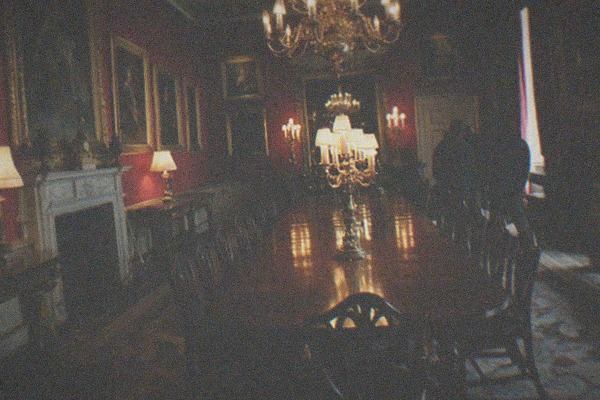
Hyde Park Corner · Wellington Museum; 'Number 1 London' with Waterloo Gallery.
Duke of Wellington's home with art collection including Velázquez and Goya.
Check latest prices Check availability →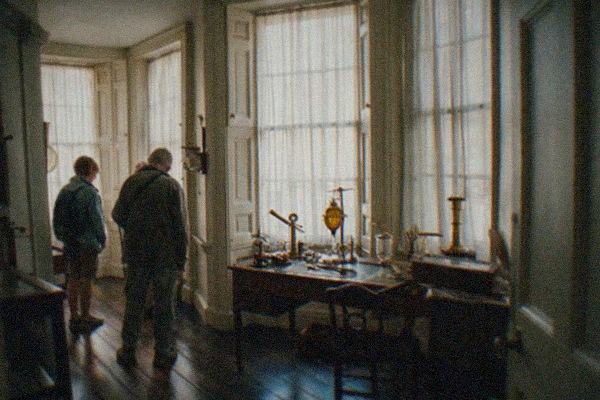
Charing Cross · Site of scientific experiments and diplomacy.
Franklin's only surviving London home with historical experiences.
Official tickets →