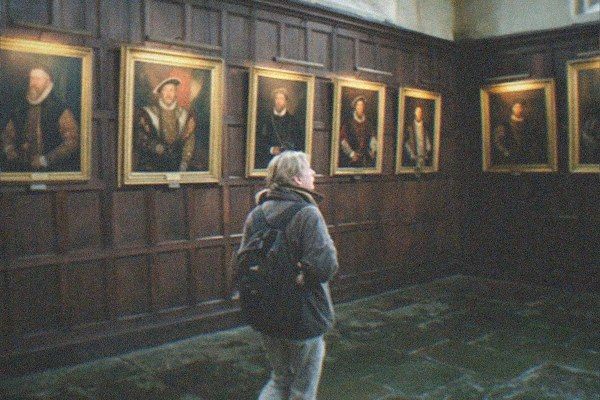
National Portrait Gallery
Westminster, St Martin's Place · Tudor portraits
Portraits of historically important and famous British people.
Free entry, no ticket needed.
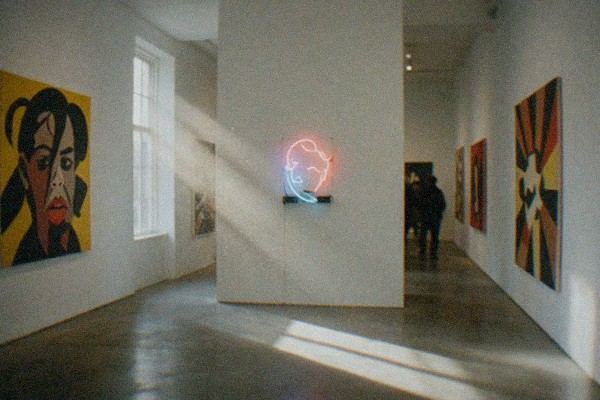
Immersive digital and street art experiences.
from $31.02 per person, live price on the listing
Check Price & Availability →Opens the official listing with live dates and prices. Book there; nothing is charged on this site.
The Moco Museum at Marble Arch is a small, ticketed modern art museum built around Banksy, Basquiat, Warhol and Kusama, with immersive digital rooms as its centrepiece. It suits visitors who want a short, high-impact contemporary art stop rather than a full day in a traditional gallery.
The Moco Museum is an independent, ticketed museum of modern and contemporary art at Marble Arch in London. It is known for pairing street art heavyweights such as Banksy with immersive digital installations, offering a compact visit that typically takes under two hours rather than a full gallery day.
Moco arrived in London as an offshoot of the original Amsterdam museum, and the London site carries the same idea: a privately run, single-ticket space that mixes recognisable names in contemporary art with rooms designed for experience rather than quiet study. The collection as presented includes works by Banksy, Jean-Michel Basquiat, Andy Warhol and Yayoi Kusama, alongside rotating immersive and digital pieces that form the museum's real signature. This is not a encyclopaedic collection in the manner of a national institution, and that is the point. It is curated for pace and impact.
The building sits a short walk from Marble Arch itself, at the western end of Oxford Street, which makes it one of the easiest contemporary art venues in central London to bolt onto a shopping or sightseeing day. The location is listed on the museum's official site, and the coordinates put it at 51.5135, -0.15924, just south of the arch and Hyde Park. Because entry is timed, the museum never feels like the crush of a large institution, though popular afternoon slots do fill up.
Who it suits is worth being blunt about. If you want to stand in front of a Rothko in silence, this is not your venue, and the National Gallery or the Courtauld Gallery will serve you far better. If you want a fast, photographable, genuinely contemporary hour and a half with teenagers, a date, or a group of friends, Moco is built precisely for that. The free audio tour included with admission also means solo visitors get more context than the wall labels alone provide.
Our research draws on the museum's own published material rather than a single visit, and prices or opening details can shift, so treat the figures below as verified at the time of writing and check the museum's own site for anything time-sensitive.
Inside, the visit is sequenced around immersive digital rooms first, street art and contemporary painting second. Expect projection-based installations, mirrored and light-driven spaces, and then works by Banksy, Basquiat, Warhol and Kusama in more conventional gallery settings.
The immersive rooms are the hallmark, and they are what separates Moco from every other small art venue in the area. These are darkened spaces where projection, sound and sometimes mirrored surfaces wrap around you, and they are designed to be walked through rather than looked at. Visitors consistently mention these rooms as the high point, and they are the reason the museum markets itself on experience. The digital programme changes over time, so what is running during your visit may differ from a friend's description from six months earlier, and the museum's own site lists the current exhibitions.
Beyond the digital work, the anchor names are the draw for most ticket buyers. Banksy is present, which is the name that gets people through the door, and Basquiat, Warhol and Kusama give the permanent offering genuine weight for a museum of this size. Kusama's work in particular plays into the immersive theme, her obsession with infinity and dots fitting naturally alongside the digital rooms. The hang is dense but readable, and the included audio tour does real work here in explaining pieces that might otherwise read as pure spectacle.
The scale matters for planning. This is a compact museum, not a multi-floor palace, so the visit flows as a single route rather than a set of wings you must navigate. That makes it excellent for people with limited attention spans or tight schedules, and less appealing to someone wanting to linger over a full day of art. Pairing it with a larger institution works well: a Moco morning followed by an afternoon at Tate Modern gives you the immersive hit and then the deep collection, and the two between them cover most bases of contemporary art in one London day.
Photography is generally welcomed in the immersive spaces, which tells you a lot about the audience. If you want a quiet, phone-away gallery experience, go for an early slot.
Standard adult admission booked online in advance costs £16.9, which the museum says saves up to £5 compared with the door price and includes all exhibitions plus a free audio tour. Children up to 4 enter free, and timed entry is required, so you choose a slot when you book.
The online advance price is the figure we can verify, and it is the route we would point most readers towards, since it both saves money and guarantees the timed slot you want. Timed entry is not optional bureaucracy: it is how the museum controls numbers in the immersive rooms, and walk-up availability at busy times can be thin even if the door price is higher. Booking ahead through the panel on this page lets you lock a slot and compare it against the museum's own listing.
The advance ticket covers all exhibitions on at the time of your visit plus the audio tour, so there is no separate upsell once inside for the main experience. For reference, a third-party listing shows the experience from $31.02 USD per person with a 4.7 rating across 505 reviews; that dollar figure is a platform price and is not the same thing as the GBP door price, so do not compare them directly. For any concession categories, family tickets or group rates beyond the child policy, check the current price on the museum's own site rather than relying on figures published elsewhere.
| Detail | At A Glance |
|---|---|
| Location | Marble Arch, western end of Oxford Street |
| Nearest station | Marble Arch (Central line); see the museum's own site for current travel advice |
| How long to allow | 60 to 120 minutes |
| Entry system | Timed entry, slot chosen at booking |
| What is included | All exhibitions plus free audio tour, with general admission |
| Children | Up to 4 free |
| Opening hours and closed days | On the museum's site |
Seasonally, school holidays push demand up noticeably, especially half terms, and the museum's online slots sell fastest for wet weekend afternoons, which is when central London's indoor attractions all fill. If your dates are fixed around a holiday period, book the slot early rather than gambling on the door.
The museum sits at Marble Arch in central London, a short walk from the Central line station of the same name. Book a timed slot in advance, expect a compact single-route layout, and check the museum's own site for current opening hours, access provisions and any bag policy before you set out.
Getting there is straightforward by London standards. Marble Arch station on the Central line is the obvious arrival point, and the museum's listed position, 51.5135, -0.15924, places it just south of the arch itself, within a few minutes' walk of Hyde Park and the top of Oxford Street. Bus routes along Oxford Street and Edgware Road are dense, and the area is flat and paved throughout, which helps for pushchairs and wheelchairs alike. Coming from further out, Paddington is the nearest mainline terminal, roughly a 20-minute walk or a short bus ride away.
On accessibility, the museum is a modern commercial venue in a converted building, and it publishes its access information through its own official site, which is the right place to confirm step-free access, lift availability and any assistance provisions before you travel. We have not verified the specifics independently, so we will not print unconfirmed claims here. If access is a determining factor for your visit, emailing the museum ahead of a booking is the reliable route.
Bag rules are another detail we have not verified, and policies at small museums with immersive rooms do sometimes restrict large bags or tripods because of the projection equipment and mirrored surfaces. Check the museum's site for the current policy rather than assuming either way. What we can say with confidence: the timed-entry system means queuing on the street is usually brief, so arrive close to your slot rather than half an hour early, and in bad weather the nearby arcades and cafes at the top of Oxford Street make a comfortable waiting option.
Finally, the visit suits a specific kind of energy. Teenagers and groups love it, art sceptics are often won over by the immersive rooms, and the compact length means nobody is dragging themselves through a final hour out of obligation.
Marble Arch places you at the meeting point of Hyde Park, Oxford Street and Mayfair, so Moco pairs naturally with a park walk, a shopping stretch, or a second gallery. Tate Modern is the strongest art pairing; Hyde Park is the easiest add-on; Mayfair's galleries are a short walk east.
The most obvious combination is art with art. Tate Modern sits across the city on Bankside, but the Central line gets you part of the way and the journey is simple, and the contrast is genuinely rewarding: Moco gives you immersive spectacle and street art in 90 minutes, while Tate Modern gives you the free-entry heavyweight collections and the Turbine Hall. For something closer to hand, the Courtauld Gallery at Somerset House offers Old Masters and Impressionists in an entirely different register, and the National Gallery rounds out the classical end of a London art itinerary. None of these overlap with Moco, which is precisely why it slots so easily into a plan.
Outdoors, Hyde Park begins literally at Marble Arch, and Speaker's Corner is on the museum's doorstep, so a morning in the park followed by a timed afternoon slot is an easy day. Speakers gather on Sundays, traditionally from late morning, which makes a Sunday visit the most atmospheric pairing of all. In the other direction, Oxford Street's shopping stretch runs east from the arch, and Marylebone's quieter independents and cafes sit just north, ideal for a post-visit lunch that avoids the Oxford Street chains.
For visitors structuring a full west-central day: start with Hyde Park or the Serpentine, take a Marylebone lunch, book a mid-afternoon Moco slot, and finish with Oxford Street or Mayfair in the early evening. Because Moco is short and timed, it works as the anchor that the rest of the day hangs off rather than the main event you plan everything around, and that flexibility is one of its underrated strengths. Book the slot first, then build the rest of the day around it.
Standard adult admission booked online in advance costs £16.9. The museum says this saves up to £5 compared with the door price, and it includes all exhibitions plus a free audio tour. For concessions or family rates, check the current price on the museum's own site.
Children up to 4 enter free. Everyone else needs a ticket, and because the museum operates timed entry, you should book a slot for your whole group in advance, including any free-entry children, so the museum can manage numbers in the immersive rooms.
Yes, timed entry is required, so every visit is attached to a slot. Booking online in advance also costs less, the £16.9 advance price saves up to £5 versus the door. Popular weekend and school-holiday slots sell fastest, so book early for those dates.
Allow 60 to 120 minutes, with most visitors spending around 90 minutes. The immersive digital rooms encourage lingering, so people who sit through full projection cycles tend towards the two-hour end, while families with young children often move faster.
The museum's offering includes Banksy, Jean-Michel Basquiat, Andy Warhol and Yayoi Kusama, presented alongside rotating immersive digital installations. The immersive rooms are the museum's hallmark, and the digital programme changes over time, so check the museum's own site for current exhibitions.
It is at Marble Arch, at the western end of Oxford Street in central London. Marble Arch station on the Central line is the nearest stop, a few minutes' walk away, and the museum sits just south of Hyde Park at coordinates 51.5135, -0.15924.
Yes, general admission booked online in advance at £16.9 includes all exhibitions plus a free audio tour. There is no separate charge for the audio guide, and it is especially useful for solo visitors who want more context than the wall labels provide.
We have not verified specific opening hours or closed days, and these details can change seasonally, so check the museum's own site before travelling. What is confirmed is that entry is timed, so your slot, not the general opening hours, determines when you arrive.
Westminster, St Martin's Place · Tudor portraits
Portraits of historically important and famous British people.
Free entry, no ticket needed.
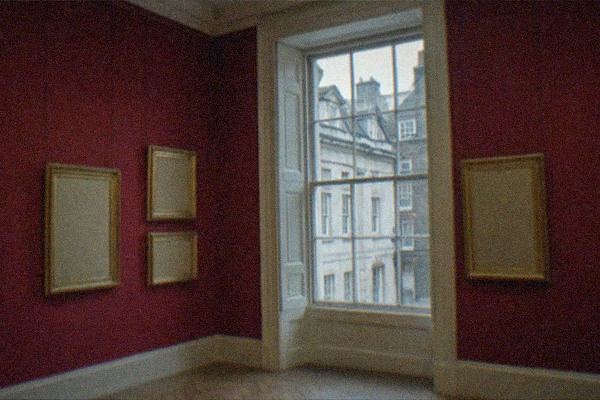
Somerset House · Manet, Monet, Van Gogh, and Gauguin masterpieces.
Impressionist and Post-Impressionist art in Somerset House.
from $18.97per person, live price on the listing Check availability →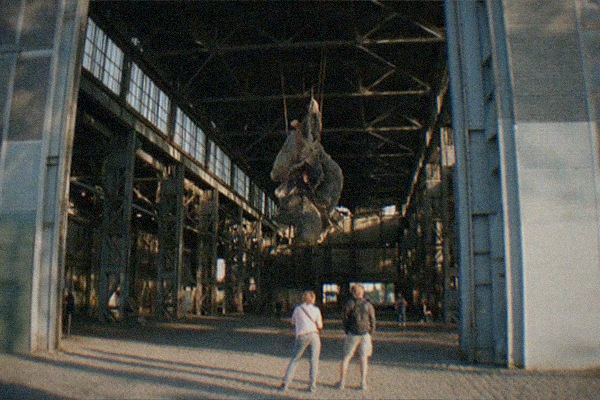
Bankside, Bankside · Turbine Hall installations
Major collection of modern and contemporary art in a former power station.
Free entry, no ticket needed.