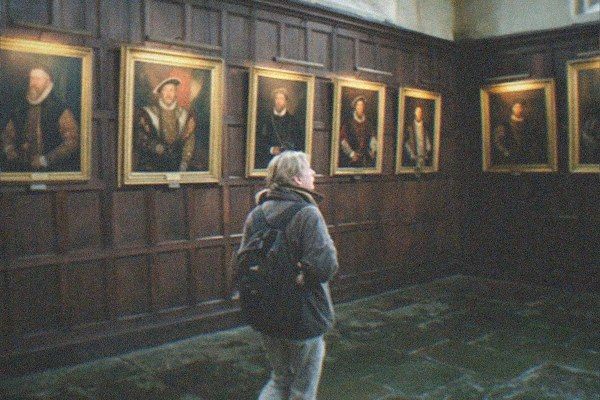
National Portrait Gallery
Westminster, St Martin's Place · Tudor portraits
Portraits of historically important and famous British people.
Free entry, no ticket needed.
Free entry, no ticket needed.
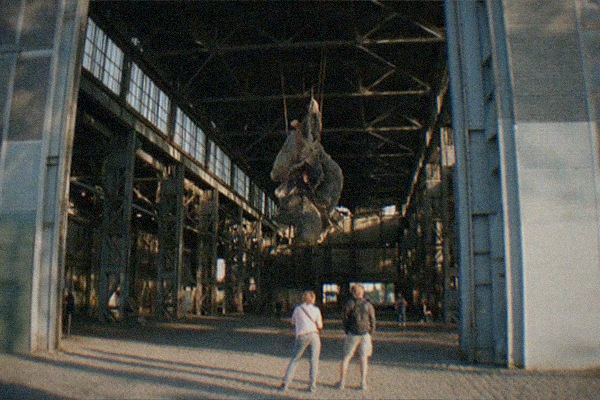
Turbine Hall installations
Plan your visit →Opens the museum's own visitor page. There is nothing to book: the permanent collection is free.
Tate Modern is Britain's national museum of modern and contemporary art, housed in a former power station on the Thames at Bankside. It suits anyone from committed art lovers to families wanting a free, weatherproof day out, with the vast Turbine Hall as its unforgettable centrepiece.
Tate Modern is best known for the Turbine Hall, a five-storey former turbine room that hosts one large-scale installation each year, and it is one of the largest single exhibition spaces in any museum in the world. Around it sit free galleries of international modern and contemporary art from around 1900 to today, plus a programme of paid ticketed temporary exhibitions.
The building itself is half the experience. Bankside Power Station, designed by Sir Giles Gilbert Scott and closed in 1981, was converted by architects Herzog & de Meuron and opened as a gallery in 2000. The brick shell, the tall central chimney and the sweeping ramp that leads visitors down into the Turbine Hall give the place an industrial drama that few art museums can match. In 2016 the gallery expanded into the neighbouring Switch House, now called the Blavatnik Building, adding ten storeys of display space and a public viewing level.
The Turbine Hall installations are the gallery's signature. Each year an artist is invited to fill the hall, and the results have ranged from a giant spider to a field of sunflower seeds to a suspended slide. The commission is free to see, needs no ticket, and is often the thing people remember years later. If a new commission has just opened, expect crowds in the first weeks, so arriving earlier in the day helps.
The permanent collection spreads across levels and is arranged by theme and period rather than strictly by movement, so you might find Rothko rooms, Picasso, Matisse cut-outs, Dali, Warhol and contemporary video work all in one visit. The displays rotate, so repeat visits rarely look the same. The collection is strong on European modernism, postwar American art and living artists, and the free galleries hold far more than most people can absorb in a single afternoon. Anyone wanting a more focused slice of the same era, with old masters added, might also enjoy the Courtauld Gallery at Somerset House.
No. Entry to Tate Modern is free to all, all year round, with no ticket needed for the collection and the Turbine Hall. The exception is temporary exhibitions, which are separately ticketed and usually paid. Prices for those change per show, so check the current price on the museum's own site before you go.
This is the single most useful thing to understand about visiting. You can walk in off the street, go up the ramp and see the majority of what the gallery offers without paying anything or booking anything. The paid programme of temporary exhibitions runs alongside the free galleries, and a big-name show can sell out for peak slots at weekends. If a specific exhibition is the reason for your trip, book that ticket in advance on the official site, where dates and prices are listed per exhibition.
For families there is a practical detail worth knowing: under-16s get in free to exhibitions, and specific concessions apply per show. Booking ahead for paid exhibitions is the one place where planning genuinely pays off. If you prefer someone else to handle the details, you can compare ticketing options in the booking panel on this page before you commit.
A note on third-party pricing. A booking platform lists Tate Modern experiences from $33.87 USD per person, rated 4.4 across 181 reviews at the time of writing. That figure is a platform from-price in dollars, which is not the same thing as the GBP door or advance price you would pay for a paid exhibition direct. Since general entry is free, what you are paying for on a platform is the convenience of a bundled or guided experience, not entry to the gallery itself. Always weigh that against booking the exhibition direct, where the only charge is the exhibition ticket itself. For a comparison of another major London collection where entry works differently, see our National Gallery tickets guide.
| Entry Route | What It Covers | Cost | Booking |
|---|---|---|---|
| General entry | Permanent collection and Turbine Hall | Free | None needed |
| Paid temporary exhibitions | Individual ticketed shows | on the museum's site | Recommended in advance |
| Children | Exhibition entry for under-16s | Free, with specific concessions | No booking required for collection |
| Platform listing | Bundled or guided experiences | From $33.87 USD per person | Via booking panel on this page |
Allow at least two to three hours for the free collection and the Turbine Hall, and add roughly an hour per paid exhibition if you have tickets for one. Tate Modern rewards slow looking, but it is also large enough that a rushed hour leaves you with only the lobby and the ramp.
Timing matters more here than at most London museums because it is genuinely one of the most visited art museums in the world. Weekday mornings are the calmest stretch, and the Turbine Hall in particular feels completely different when it is not crowded. Weekends and school holidays bring the thickest flow, and wet days push numbers up everywhere on Bankside. Late opening evenings, where offered, tend to be quieter and have a different atmosphere, but check the current hours on the official site rather than relying on fixed times printed anywhere else, including here.
The gallery sits directly opposite St Paul's Cathedral across the Thames, connected by the Millennium Bridge. That geography shapes the best plan: a morning inside the gallery, lunch on Bankside, then a walk over the bridge into the City. In reverse, it makes a strong finish to a day in the City with the galleries late. The viewing level in the Blavatnik Building gives a free panorama over the river and rooflines, a good way to end or break up a visit. If modern and contemporary work is your main interest and you want a second stop, the Moco Museum in Marylebone covers a younger, street-art-leaning end of the same spectrum.
| At A Glance | Details |
|---|---|
| Opening hours | on the museum's site |
| Closed days | on the museum's site |
| Time to allow | 2 to 3 hours, more with exhibitions |
| Nearest station | Blackfriars and Southwark (Underground), plus London Bridge |
| Postcode area | Bankside, SE1 |
| Coordinates | 51.50743, -0.09934 |
Tate Modern sits on the south bank of the Thames at Bankside, within a ten-minute walk of three Underground and rail stations: Blackfriars, Southwark and London Bridge. The gallery is step-free throughout, has lift access to all floors, and entry is free with no ticket, so you can simply turn up.
Walking is often the best approach. From the north, the Millennium Bridge deposits you almost at the door with St Paul's behind you. From the south, the route from London Bridge station passes Borough Market, which pairs well with a visit. Blackfriars station, on the District and Circle lines and National Rail, comes out directly across the river. Southwark, on the Jubilee line, is a short walk west. Several bus routes serve Blackfriars Road and Southwark Street nearby, and riverboats stop at Bankside Pier a few minutes along the bank.
Accessibility is taken seriously. The building is wheelchair accessible with lifts to every level, and the gallery offers provision for visitors with a range of needs, details of which are on the official Tate Modern visitor page, which is also the right place to confirm anything time-sensitive before travelling. There are accessible toilets, seating throughout the galleries and a quiet, spacious layout that makes it one of the easier large museums in London to move around.
On practicalities: large bags and suitcases are not suitable for the galleries and there are limits on what you can bring, so check the bag policy on the museum's site if you are arriving from the airport. Photography of the collection is generally allowed without flash, but special exhibitions sometimes restrict it, and individual works can carry their own conditions. There is a cloakroom, though capacity on busy days can be tight. Food options inside range from a casual cafe to a restaurant with river views, and Bankside outside is dense with alternatives. Wi-Fi is free if you register.
The strongest pairing is the Millennium Bridge to St Paul's Cathedral, a five-minute walk north, and Shakespeare's Globe, which stands almost next door on Bankside. Borough Market, about ten minutes east, is the standard food stop before or after a gallery visit.
Bankside is one of the most walkable corners of London. Going east from the gallery you pass the Globe Theatre, a reconstruction of the Elizabethan playhouse, then the Tate-to-Borough stretch along the river with its street performers and river views. Borough Market itself, under the railway arches near Southwark Cathedral, is one of London's oldest food markets and a reliable lunch stop, though it heaves at midday on weekends.
Crossing the Millennium Bridge northwards, St Paul's is the immediate landmark, and the City's narrow lanes fan out behind it, including the church of St Mary-le-Bow and the newer architecture around Cheapside. Heading west along the south bank instead, the Queen's Walk takes you past the Oxo Tower towards the Southbank Centre and, further on, the London Eye, roughly a half-hour riverside stroll in total.
For museum-to-museum days, the classic chain is art rather than geography. Pair a morning at Tate Modern with an afternoon at the National Gallery in Trafalgar Square, moving from 1900 onwards to before 1900 and covering five centuries between two free museums. If you would rather stay with the modern period and add something more intimate, the Courtauld Gallery holds one of the finest Impressionist and Post-Impressionist collections in the country, including works that sit just before the story Tate Modern picks up. A full south-bank day combining the gallery, the Globe and Borough Market is also an easy, car-free itinerary.
Tate Modern is one of the best free days out in London, and the only real planning decision is whether a temporary exhibition pulls you into paying. With entry free year round, a riverside location and the Turbine Hall as the anchor, it earns a half-day slot in almost any itinerary.
The gallery's scale cuts both ways. First-time visitors who try to see everything tend to leave with blurred memories of a hundred rooms. It works better with a rough aim: the Turbine Hall first, then one or two collection floors chosen from the free map, then the viewing level. Anyone who builds their visit around a specific paid exhibition should treat booking ahead as the one non-negotiable step, because popular shows at peak times can be thin on availability.
For families, free entry plus no booking requirement for the collection makes it one of the lowest-commitment major museums in the city. You can shorten or extend a visit depending on how the children are coping, leave for lunch on Bankside, and return afterwards. Few large museums are this forgiving of a flexible plan, which is precisely why it features on so many London itineraries, and why the quiet weekday morning slot is worth protecting if you have the choice.
Yes. Entry is free to all, all year round, and covers the permanent collection and the Turbine Hall. No ticket is needed for general entry. Only the programme of temporary exhibitions is paid, with prices listed per show on the museum's own site.
Not for the collection or the Turbine Hall, which require no ticket at all. Booking in advance is recommended only if you want a specific temporary exhibition, since popular shows can fill up at peak times. Children need no booking for the collection either.
Prices vary by exhibition, so check the current price on the museum's own site rather than relying on a single figure. A booking platform lists experiences from $33.87 USD per person, but that is a platform price and not the same as the GBP price paid direct.
The Turbine Hall is the vast former turbine room of Bankside Power Station, now one of the largest single exhibition spaces in any museum in the world. Each year an artist is commissioned to fill it with a large-scale installation, and it is free to see with no ticket.
Allow two to three hours for the free collection and the Turbine Hall, and add roughly an hour per paid exhibition if you have tickets. Weekday mornings are the quietest times, while weekends and wet days are noticeably busier.
It sits on the south bank of the Thames at Bankside, at coordinates 51.50743, -0.09934. Blackfriars, Southwark and London Bridge stations are all within about a ten-minute walk, and the Millennium Bridge links it directly to St Paul's Cathedral.
Under-16s get free entry to exhibitions, with specific concessions applying per show. No booking is required for children visiting the free collection. Families can simply turn up, which makes it one of the easier major museums to visit with children.
Yes. The building is step-free with lift access to all floors, accessible toilets and seating throughout the galleries. Full accessibility provision is detailed on the official Tate Modern visitor page, which is the best source to confirm before travelling.
Westminster, St Martin's Place · Tudor portraits
Portraits of historically important and famous British people.
Free entry, no ticket needed.
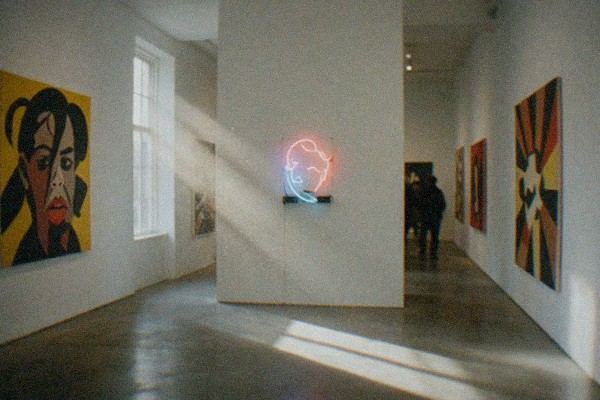
Marble Arch · Immersive digital and street art experiences.
Modern and contemporary art with Banksy, Basquiat, Warhol, Kusama.
from $31.02per person, live price on the listing Check availability →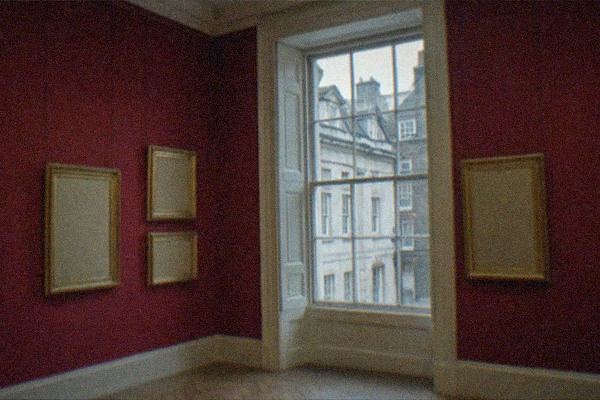
Somerset House · Manet, Monet, Van Gogh, and Gauguin masterpieces.
Impressionist and Post-Impressionist art in Somerset House.
from $18.97per person, live price on the listing Check availability →