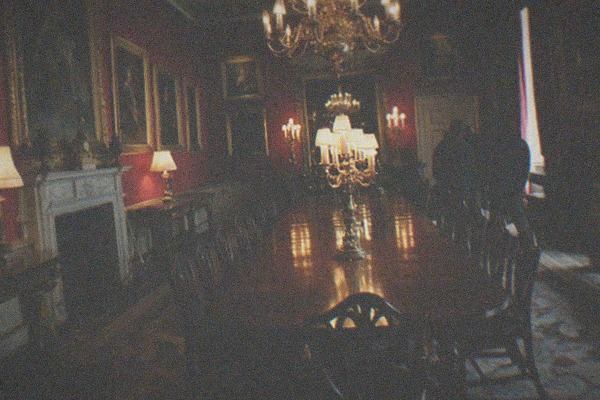
Apsley House
Hyde Park Corner · Wellington Museum; 'Number 1 London' with Waterloo Gallery.
Duke of Wellington's home with art collection including Velázquez and Goya.
Check latest prices Check availability →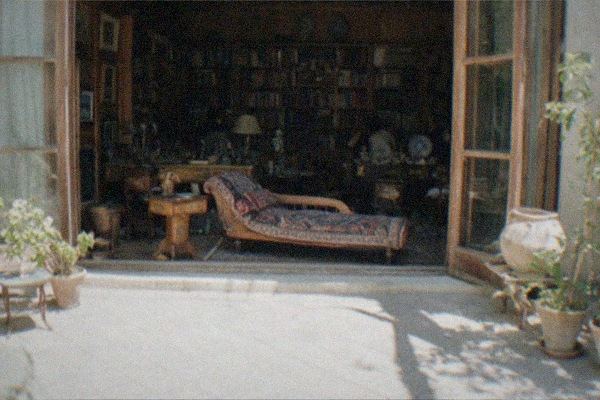
Iconic psychoanalytic couch and Anna Freud's contributions.
from $20.18 per person, live price on the listing
Check Price & Availability →Opens the official listing with live dates and prices. Book there; nothing is charged on this site.
The Freud Museum is Sigmund Freud's final home in Hampstead, NW3, the house where he spent his last year and where his daughter Anna continued working for decades. It suits anyone interested in psychoanalysis, the history of ideas, or small, atmospheric historic houses rather than big blockbuster galleries.
The Freud Museum is the Hampstead house where Sigmund Freud lived his final year after fleeing Nazi-occupied Vienna in 1938, preserved with his study, his famous psychoanalytic couch and his substantial collection of antiquities. His daughter Anna Freud, a pioneering child psychoanalyst, kept the house and worked here for more than forty years.
Freud arrived in London in June 1938, already gravely ill, and lived at 20 Maresfield Gardens for just over a year before his death in September 1939. That single year was enough to make the house one of the most resonant addresses in the history of ideas. He brought his furniture with him, including the couch itself, which had travelled from Vienna and had been at the centre of his practice since the 1890s. The study he arranged here is essentially a reconstruction of his consulting room in Vienna, and it survives almost untouched.
What surprises many visitors is the scale of Freud's antiquities collection. He amassed well over a thousand objects: Egyptian scarabs, Greek and Roman figurines, Chinese jade, and rows of small bronzes that lined his desk so he could see them while he worked. He called archaeology his second passion after psychoanalysis and once said he read as much archaeology as psychology. The objects are displayed much as he kept them, densely packed, and the house does not attempt to tidy them into glass cases in the way a large institution might.
The second half of the story belongs to Anna Freud. She continued to live and work in the house until her death in 1982, developing child psychoanalysis and running training and clinics. Her own room and papers are part of what the museum presents, so the site tells a two-generational story rather than a single-biography one. The museum opened to the public in 1986 and is now a registered charity and independent museum. You can read more about its history on the museum's official site.
The centrepiece is the original psychoanalytic couch, covered in an Iranian rug with cushions stacked against one end, displayed in Freud's preserved study alongside his desk, chair and surrounding antiquities. This is the couch patients reclined on while Freud sat out of sight behind them, and it is one of the most recognisable objects in the history of medicine.
The study is deliberately left as Freud arranged it. The desk is crowded with his favourite figurines, including the bronze of Athena he kept facing him. His patient's chair sits behind the head of the couch, a position he chose so patients would not feel observed. The room is small and low-lit, which is part of the point: this is not a gallery reconstruction but a working room frozen mid-career, moved bodily from Berggasse 19 in Vienna to Maresfield Gardens in one of the strangest removals in intellectual history.
Beyond the study you move through the rest of the ground and first floors. The dining room and entrance hall show family photographs, personal effects and temporary exhibitions, which the museum mounts regularly, often on themes connecting psychoanalysis to art, memory and the archive. Anna Freud's rooms present her work with children, including material relating to the Hampstead War Nurseries she ran during the Second World War for children separated from their families.
The garden is a genuine part of the visit and easy to miss if you rush. Freud's ashes rest in a Greek-style urn in the Ernest George columbarium at Golders Green nearby, but the garden here was where he spent his final summer, and the museum keeps it planted. Allow twenty minutes just to sit with it if the weather cooperates. Visitors who enjoy object-dense historic interiors might also like the Postal Museum, which takes a very different but equally physical approach to social history; see our Postal Museum tickets guide if that appeals.
Standard adult admission is £14.90, with an optional Gift Aid version at £16.90 that includes a donation; the audio guide is included in the ticket. Timed entry is required, so you choose a slot when you book rather than turning up and queuing. Under-12s go free and 12 to 16s pay a reduced rate of £9.00 with proof required for concessions.
Because entry is timed, it makes sense to sort your ticket before you travel to Hampstead rather than buying on the doorstep. Slots can fill on weekends and during school holidays, and the house is small enough that visitor numbers are genuinely limited to protect the interiors. If you want to compare what is available before committing, check the current price on the museum's own site, and you can also book through the panel on this page.
| Ticket Type | Price | Notes |
|---|---|---|
| Adult (standard) | £14.90 | Audio guide included |
| Adult (with Gift Aid donation) | £16.90 | Optional donation version |
| Children under 12 | Free | |
| Children 12 to 16 | £9.00 | Proof required for concessions |
| Listed tours and tickets via booking platforms | From USD 20.18 per person | A platform from-price, not the GBP door price; rated 4.8 from 287 reviews on one listing |
| Concessions | On the museum's site | Check the current price on the museum's own site |
The USD figure above is worth a second glance for anyone comparing options. Platform from-prices are quoted per person in dollars and are not the same thing as the museum's own GBP admission price; they typically bundle a booking or resell margin and can shift with exchange rates. Treat the £14.90 standard figure as the reference point and treat anything in dollars as a separate product. What the ticket covers is the house, the study, the temporary exhibition and the audio guide, which you carry with you through the rooms.
The Freud Museum sits in Hampstead, NW3, a short walk from Finchley Road Underground station, and most visitors allow between one and two hours for a full unhurried look at the study, the exhibitions and the garden. Opening hours and closed days should be confirmed before you travel, as the small team sometimes closes rooms for conservation or events.
| Detail | What To Know |
|---|---|
| Location | Hampstead, NW3, at 20 Maresfield Gardens |
| Coordinates | 51.54834, -0.17739 |
| Nearest station | Finchley Road (Underground, Metropolitan and Jubilee lines), roughly ten minutes' walk; check the museum's site for full directions |
| Opening hours | On the museum's site |
| Closed days | On the museum's site |
| Time to allow | 1 to 2 hours, longer if you linger in the study |
| Audio guide | Included with admission |
| Timed entry | Required, book a slot in advance |
The walk from Finchley Road station takes you through quiet, leafy residential streets that are part of the experience; Freud chose Hampstead partly for its air and greenery, and the suburb still feels like a retreat from central London rather than an extension of it. Buses serve Finchley Road itself, and Hampstead station on the Edgware branch of the Northern line is a longer but pleasant uphill alternative. Cyclists will find the back streets calm, though parking a car around Maresfield Gardens is restricted, so public transport is the sensible default.
When to go is largely a matter of crowd preference. Weekday mornings tend to be quietest, and because entry is timed, the house rarely feels crushed even at peak times. The study room in particular rewards a calm moment, and many people say after the visit that the ten minutes spent alone with the couch was the part they remembered. If your itinerary is dense with big-hitting institutions like the British Museum, slotting a small house museum like this in first, while your attention is fresh, is a good sequencing trick.
Arrive with a booked timed slot, allow ten minutes to walk from Finchley Road station, and expect a domestic-scale house with narrow stairs and small rooms rather than a purpose-built gallery. Photography is generally welcomed in the main rooms, but check house rules on the day as restrictions can apply to temporary exhibitions.
The house is a 1920s suburban semi-detached building, and that shapes the visit. Rooms are small and get busy around the study when several visitors share a slot. The museum asks people to keep bags small; there is limited storage and the corridors are tight, so leave luggage at your hotel or carry the minimum. Because Anna Freud's consulting rooms and some upstairs spaces are part of the visit, expect stairs, and contact the museum ahead of time about step-free access if that matters to your group, since historic house layouts constrain what can be adapted.
There is a small shop with a genuinely good book selection, strong on psychoanalysis, biography and the antiquities collection, plus postcards of the couch that make the obvious souvenir. A café is not part of the offer in any meaningful sense, but Hampstead's cafés and pubs are minutes away, so plan the coffee stop around the visit rather than expecting it inside. The immediate streets, including the walk up towards Hampstead Heath, are among the most attractive in inner north London.
For context before you go, the museum publishes detailed object histories and collection notes on its official website, and reading even one short piece about Freud's antiquities beforehand makes the study far more legible. The individual objects are unlabeled in situ, in keeping with the room's preserved state, so a little preparation pays off. If you find yourself hungry for painted interiors after a visit here, the Painted Hall in Greenwich makes a dramatic stylistic opposite number.
The Freud Museum sits in Hampstead, one of London's best neighbourhoods for building a half-day around a small museum. The obvious pairing is Hampstead Heath itself, directly uphill, and the surrounding streets are dense with historic-house associations, literary landmarks, and cafés, making a combined walk easy and rewarding.
Two other house museums in the same area complete a loose historic-houses trail. Kenwood House, on the northern edge of the Heath, is free to enter and holds a fine art collection in a Robert Adam interior, and walking to it across the Heath from Maresfield Gardens takes around half an hour through the park's best scenery. Fenton House, a National Trust property a short walk south, offers a walled garden and a keyboard instrument collection. Both reward the same visitor temperament as the Freud: unhurried, curious, happy in small rooms.
Hampstead village itself, ten minutes' walk downhill, is where the practical parts of the trip live: places to eat, a famous long-standing书店-like bookshops cluster, and the disused railway line known as the Hampstead Heath extension walk if you want to stretch the day out. Literature readers will find blue plaques for Keats and Freud's contemporaries scattered across the same few streets. A workable itinerary is a morning timed slot at the Freud Museum, lunch in the village, then the Heath and Kenwood in the afternoon, ending with the Parliament Hill view over the whole city Freud never properly got to enjoy.
If you are planning a broader London itinerary that mixes house museums with the majors, our British Museum tickets guide and the Postal Museum pages both cover how the booking and pricing picture works for larger institutions, which is handled quite differently from a small charity-run house like this one. For everything specific to the Freud, including current exhibitions and the exact opening schedule, the museum's site at freud.org.uk is the definitive source.
Standard adult admission is £14.90, or £16.90 with the optional Gift Aid donation. The audio guide is included. Children under 12 are free and 12 to 16s pay £9.00, with proof required for concessions. Other concession rates should be checked on the museum's own site.
Yes. Timed entry is required, so you select a slot when you book rather than arriving and queuing. This is a small house and numbers are limited to protect the interiors, so booking ahead matters most at weekends and during school holidays.
Yes. The original psychoanalytic couch, covered in an Iranian rug, is displayed in Freud's preserved study, arranged much as he kept it in Vienna before the family fled to London in 1938. It is the museum's centrepiece and sits alongside his desk, chair and surrounding antiquities.
Most visitors allow between one and two hours. The study alone rewards lingering, and the garden is worth time in good weather. The house is domestic in scale, so this is a focused visit rather than an all-day one, and pairs well with Hampstead Heath or Kenwood House.
It is at 20 Maresfield Gardens in Hampstead, NW3, at coordinates 51.54834, -0.17739. The nearest station is Finchley Road on the Metropolitan and Jubilee lines, roughly ten minutes' walk through quiet residential streets. Hampstead station on the Northern line is a longer uphill alternative.
The building is a 1920s semi-detached house with narrow stairs, and upstairs spaces form part of the visit. Because a historic layout constrains what can be adapted, contact the museum before your timed slot to discuss step-free options and any current restrictions.
Sigmund Freud lived his final year in the house after fleeing Vienna in 1938 and died there in 1939. His daughter Anna, a pioneering child psychoanalyst, continued to live and work in the house for more than forty years, and her rooms and work with children are part of the displays.
Yes, and entry reflects it: under-12s are free and 12 to 16s pay £9.00 with proof required. The house is small and object-dense rather than hands-on, so it suits curious older children best, and the garden gives younger ones space to decompress.
Hyde Park Corner · Wellington Museum; 'Number 1 London' with Waterloo Gallery.
Duke of Wellington's home with art collection including Velázquez and Goya.
Check latest prices Check availability →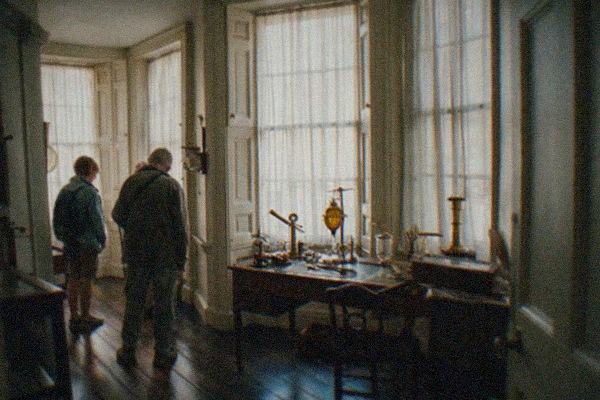
Charing Cross · Site of scientific experiments and diplomacy.
Franklin's only surviving London home with historical experiences.
Official tickets →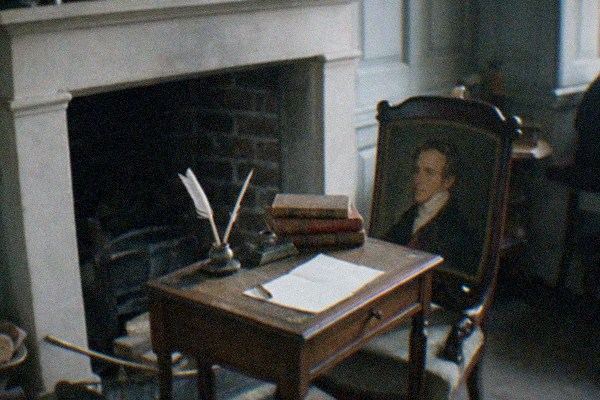
Bloomsbury, Doughty Street · Dickens' study and personal items
Former home of Charles Dickens with manuscripts and memorabilia.
Official tickets →