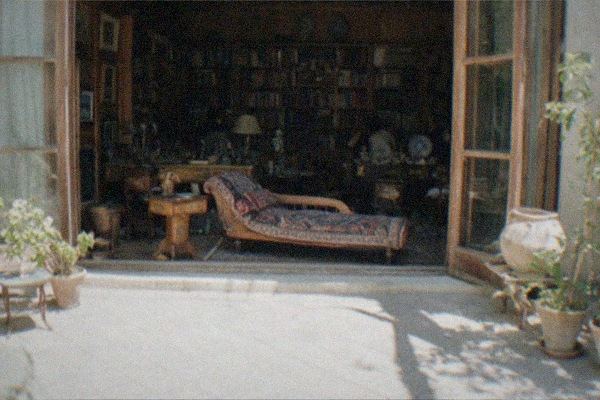
Freud Museum
Hampstead · Iconic psychoanalytic couch and Anna Freud's contributions.
Sigmund Freud's final home with study, couch, and antiquities collection.
from $20.18per person, live price on the listing Check availability →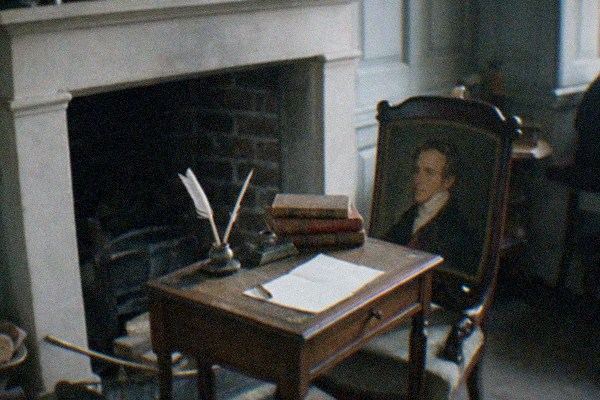
Dickens' study and personal items
Current admission is on the museum's own ticket page.
Official tickets →Opens the museum's own website. Book on the official site; nothing is charged on this page.
The Charles Dickens Museum is the Bloomsbury townhouse at 48 Doughty Street where Dickens lived as a young writer on the rise. It suits literature lovers, families with school-age children and anyone curious about Victorian London. Expect manuscripts, personal possessions and the study where he wrote Oliver Twist and Pickwick.
The museum is spread across the Georgian townhouse where Dickens lived from 1837 to 1839, and its centrepiece is the study, preserved as a period room containing his desk, chair and personal items. Around it sit manuscripts, letters, portraits and household objects connected to his family life. It is a house museum, not a gallery, so rooms are compact and atmospheric.
Dickens moved into Doughty Street aged 25, newly famous and newly married. The three years he spent here were the making of him. He completed The Pickwick Papers, wrote Oliver Twist and Nicholas Nickleby, and began Barnaby Rudge under this roof. The museum tells that story room by room, from the dining room where he entertained friends to the bedroom where his daughters were born.
The study is what most visitors remember. It is arranged to look as it would have during his occupancy, with his writing desk, his reading chair and the small clutter of a working author. Elsewhere in the house you will find original manuscripts and page proofs, including material relating to his novels and journalism, alongside letters in his own hand. The collection also holds portraits and a range of personal effects that belonged to Dickens and his family, which give the rooms a domestic rather than reverential feel.
Because it is a historic house, the visit is a sequence of small rooms over several floors rather than a long exhibition trail. There is space to pause and read, but at busy times the narrow Victorian staircases and doorways mean you may wait a moment for a room to clear. The atmosphere of the house, candle-warm and close, is arguably the museum's real exhibit: it makes the novels feel like they were written somewhere specific, because they were.
A special exhibition is included with standard admission, drawn from the museum's own holdings, and these rotate through the year. Check the museum's own site before your visit to see what is currently showing, as the temporary displays sometimes give you a reason to return even if you have been before.
Standard adult admission is £14, with a concession price of £12. Children aged 6 to 16 pay £8 and under 6s go free. Entry is timed, meaning you choose a slot when you buy, and the ticket covers the historic house and the current special exhibition. Timed slots can sell out for busy periods, so book ahead on the museum's own site.
This museum does not sell through third-party resellers, so the honest advice is simple: buy your ticket directly from the museum. The official ticket page is dickensmuseum.digitickets.co.uk, which is the museum's own booking system. Buying there means you pay the published price and get the widest choice of time slots, with no middleman adding a markup.
The £14 adult price is the museum's standard rate, not a Gift Aid variant. If the museum offers an optional donation or Gift Aid arrangement at the desk or on its site, that is its business to present to you directly, and you can decide there. Family and group arrangements, if they exist, are not published figures I can verify, so check the current price on the museum's own site before assuming any combination saving.
One practical point about timed entry: your slot fixes when you enter, not when you leave. Once inside you can linger as the house allows. Arrive a few minutes early, because the entrance is a narrow historic doorway and slots are managed in small groups to keep the rooms from crowding.
| Ticket Type | Price | Notes |
|---|---|---|
| Standard adult (17+) | £14 | Includes historic house and special exhibition |
| Concession | £12 | Concession rate; eligibility on the museum's site |
| Child 6 to 16 | £8 | Timed entry also applies |
| Child under 6 | Free | Still needs a timed slot; check the museum's site |
| Family or group tickets | on the museum's site | No verified figure published here |
If you are planning a literary-themed day in London, note that this is one of several house and collection museums in the city where timed entry is standard practice. The big nationals, such as the British Museum a short walk away, are free to enter, so mixing the two makes for a cheap and rewarding day.
Allow roughly 60 to 90 minutes for a first visit, longer if you read the manuscripts and labels in detail or catch a talk. Weekday mornings are the calmest time to have the study to yourself. Weekend afternoons are the busiest slots, and timed entry spreads the crowds but does not remove them, so book an early slot if you want quiet.
The house is small enough that a brisk walk-through takes half an hour, but that would waste it. The letters and manuscripts reward slow reading, and the volunteer and staff presence in the rooms means you can ask questions about objects you would otherwise walk past. Visitors who linger, read, and sit in the rooms for a while tend to rate the experience far more warmly than those treating it as a checkbox.
Seasonally, there is an argument for winter. Dickens is indelibly linked with cold London streets and Christmas, and Bloomsbury in low grey December light has an atmosphere that suits the subject. The museum runs seasonal activity around the festive period, though specific events and dates are not figures I can verify, so check the museum's own site for what is on when you plan to go.
Avoid assuming you can turn up and walk in at peak times. Because entry is timed and the house is physically small, the museum caps numbers per slot. Booking a day or two ahead, or more in school holidays, is sensible. Conversely, a wet Tuesday in February can feel pleasantly empty, and Doughty Street under rain is a very Dickensian place to be.
| At A Glance | Detail |
|---|---|
| Opening hours | on the museum's site |
| Closed days | on the museum's site |
| Time to allow | 60 to 90 minutes |
| Entry system | Timed slots, booked in advance |
| Nearest area | Bloomsbury, Doughty Street |
| What is included | Historic house and special exhibition |
| Best time to visit | Weekday mornings; quieter in winter |
The museum is at 48 Doughty Street in Bloomsbury, central London, with coordinates 51.52359, -0.11632. It is a Georgian townhouse with period staircases, so visitors with mobility needs should contact the museum about access before booking. Check the museum's own site for current opening hours and any bag restrictions, as these details are not published figures here.
Bloomsbury is one of the best-connected corners of London for walking and public transport. Doughty Street sits between the noisy corridors of Holborn and the quieter squares of Bloomsbury proper, and the walk from either the British Museum or Russell Square is only a few minutes on foot. Chancery Lane, Holborn and Russell Square Underground stations are all within easy walking distance, and several bus routes serve the surrounding main roads.
On accessibility, the honest answer is that a 200-year-old townhouse imposes limits. The rooms sit across several floors connected by original staircases, and there is no verified information here about lift provision or step-free routes, so contact the museum directly before you book. They deal with access questions regularly and can tell you exactly what is possible, including any assistance with timed slots. Do not guess, and do not rely on third-party summaries that may be out of date.
Two practical notes. First, the streets around Doughty Street permit photography of a lovely quiet London that many visitors never see, so allow ten minutes either side of your slot for a wander. Second, because the house is small and rooms are shared with other visitors, keep coats and large bags manageable. There is no verified published bag policy I can quote, so check the museum's own site or ask when booking if you travel with luggage.
If you are building a wider London itinerary, our pieces on Postal Museum tickets and the Painted Hall cover two more central attractions where booking ahead genuinely changes the experience.
The British Museum is about ten minutes' walk away and is free, making it the obvious pairing for a Doughty Street visit. Beyond it, Bloomsbury and Holborn hold several museums and historic sites reachable in under twenty minutes on foot, so a half-day around Dickens works well for visitors who like to cluster their sightseeing rather than criss-cross London.
The British Museum is the headline neighbour. Dickens himself knew the area intimately, and the museum's vast collections, from the reading room to the Egyptian galleries, can fill any number of hours at no cost. A common and satisfying pattern is a morning at the Dickens Museum, lunch around Bloomsbury, then the British Museum in the afternoon when you have energy for a big building.
The Postal Museum is a strong pairing for families. It sits a short hop east towards Clerkenwell and its ride on the Mail Rail underground railway is a genuine hit with children, who pay £8 here at Dickens aged 6 to 16. Doing both in one day gives children a Victorian London story and a hands-on treat, and gives adults two well-run small museums for the price of one moderate attraction elsewhere.
Literary walkers should also consider the streets themselves. Doughty Street leads towards Mecklenburgh Square and Coram's Fields, and the wider neighbourhood is steeped in Bloomsbury Group history, legal London around Chancery Lane, and the Inns of Court that feature in Dickens' novels. The Foundling Museum, a walkable distance away, tells a story of London childhood that sits naturally alongside Oliver Twist, though you should check its current arrangements on its own site.
For food and rest, the area around Lamb's Conduit Street and Marchmont Street, both minutes away, has a run of independent cafés and pubs, several with Victorian bones. A pub lunch within sight of streets Dickens actually walked is a fitting way to finish, and it costs nothing but the lunch.
At £14 for adults, the Charles Dickens Museum is priced in line with London's small house museums, and it earns it if you arrive with curiosity and time rather than a photo to take. Readers with only a passing interest in Dickens, or families with very young children, may prefer free alternatives nearby. For anyone who has read the novels, the study alone justifies the ticket.
The honest comparison is with what else £14 buys in central London. It is less than many large paid attractions and more than a cinema ticket, and what you get is intimate rather than vast. There are no blockbuster galleries, no rides, no audio-visual theatre. What you get is proximity: the desk, the chair, the handwriting, the rooms where a young writer with a wife, a newborn and a deadline changed English fiction.
Concession visitors at £12 and children at £8 make it a reasonable family outing, particularly paired with a free museum afterwards. Under 6s go free, though very small children will get little from it beyond staircases to climb and objects not to touch, so consider their patience honestly before committing to a timed slot.
The verdict from research rather than visits, because that is what this guide is: the Charles Dickens Museum has a clear, specific appeal, it prices itself fairly for what it is, and it is one of the few London museums where the building and the collection are the same object. If that sentence appeals to you, book the timed slot. If you are indifferent to Dickens, spend the day at the British Museum instead and keep this one for a rainy day when you feel like reading something old.
Standard adult admission is £14, with a concession price of £12. Children aged 6 to 16 pay £8 and under 6s go free. All tickets include entry to the historic house and the current special exhibition. Check the museum's own site for any other ticket types.
Entry is timed, so you choose a slot when you purchase. Slots are managed to keep the small historic rooms from overcrowding, and popular times can fill up. Booking ahead on the museum's own ticket page gives you the widest choice of times.
The museum is at 48 Doughty Street in Bloomsbury, central London. The coordinates are 51.52359, -0.11632. It sits a short walk from the British Museum, with several Underground stations within easy reach.
Allow 60 to 90 minutes for a first visit. The house is small, but manuscripts, letters and period rooms reward slow reading. Weekday mornings are the calmest time to visit and weekend afternoons the busiest.
Its hallmark is Dickens' study, arranged as a period room with his desk, chair and personal items. Dickens lived at Doughty Street from 1837 to 1839 and wrote Oliver Twist and Nicholas Nickleby here, so the study sits at the heart of the collection.
Children aged 6 to 16 pay £8 and under 6s enter free, so price-wise it is manageable. It is a quiet house museum with objects to look at rather than touch, so it suits school-age children studying Dickens more than restless toddlers.
The house is a Georgian townhouse with original staircases across several floors. There is no verified access information published here, so contact the museum directly before booking your timed slot to confirm what is possible.
Buy directly from the museum's own booking page at dickensmuseum.digitickets.co.uk. There is no reseller for this museum, so buying direct means you pay the published price of £14 for adults and get the full choice of timed slots.
Hampstead · Iconic psychoanalytic couch and Anna Freud's contributions.
Sigmund Freud's final home with study, couch, and antiquities collection.
from $20.18per person, live price on the listing Check availability →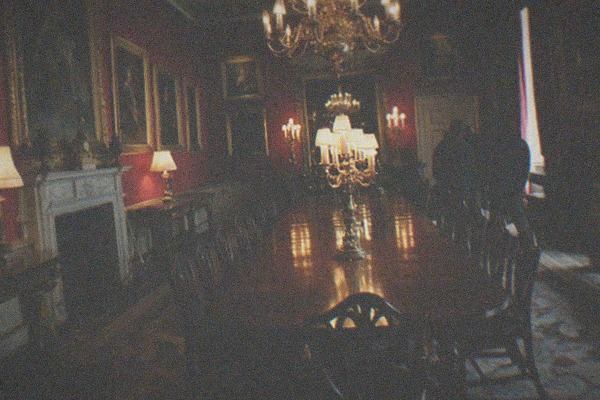
Hyde Park Corner · Wellington Museum; 'Number 1 London' with Waterloo Gallery.
Duke of Wellington's home with art collection including Velázquez and Goya.
Check latest prices Check availability →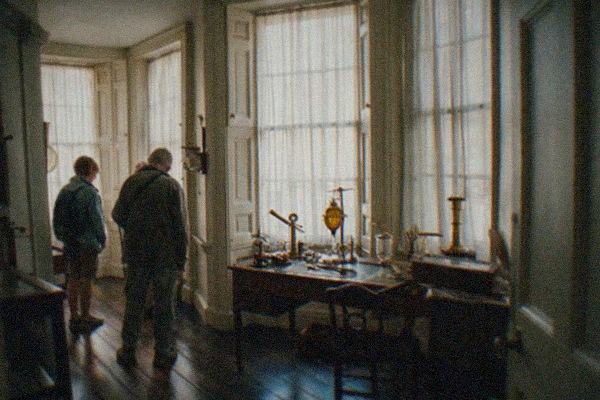
Charing Cross · Site of scientific experiments and diplomacy.
Franklin's only surviving London home with historical experiences.
Official tickets →