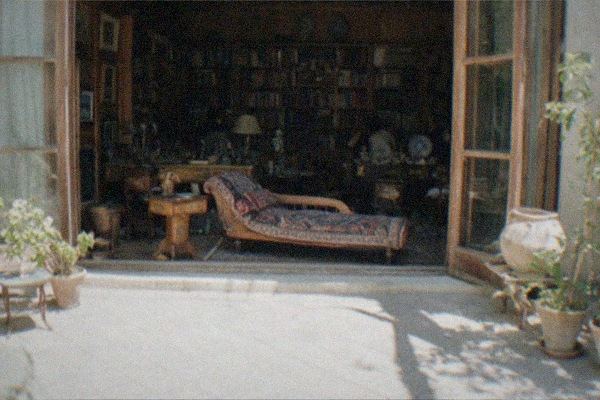
Freud Museum
Hampstead · Iconic psychoanalytic couch and Anna Freud's contributions.
Sigmund Freud's final home with study, couch, and antiquities collection.
from $20.18per person, live price on the listing Check availability →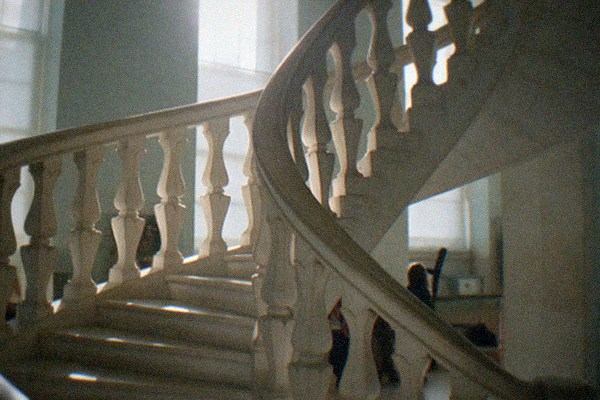
Free entry, no ticket needed.
First classical building in Britain; Armada Portrait.
Plan your visit →Opens the museum's own visitor page. There is nothing to book: the permanent collection is free.
The Queen's House in Greenwich is a former royal villa by Inigo Jones, now home to a free art collection and the famous Tulip Stairs. It suits anyone interested in classical architecture, maritime art and Tudor history, and pairs easily with the Old Royal Naval College next door.
The Queen's House is an Inigo Jones classical villa in Greenwich, widely regarded as the first fully classical building in Britain. It holds a free art collection, the spiral Tulip Stairs and the Armada Portrait of Elizabeth I. Entry costs nothing and no ticket is required.
Commissioned in 1616 for Anne of Denmark, the wife of James I, and later associated with Henrietta Maria, the house broke sharply with the red-brick, towered English building tradition of its day. Inigo Jones, who had studied architecture in Italy, brought the disciplined proportions of Palladian design to England with this building, and its influence on later British architecture is hard to overstate. The National Maritime Museum, which manages the site, calls it the first classical building in England, and that claim is the single most important thing to know about it.
The house sits at the centre of the Maritime Greenwich UNESCO World Heritage Site, between Greenwich Park and the river. Its H-shape plan, the Great Hall with its cuboid proportions, and the loggia facing the park all reflect Jones's study of ancient Roman architecture. The building was later absorbed into the Royal Hospital School and then the National Maritime Museum's estate, which explains why an art collection now fills rooms once used by royalty.
For most visitors the two headline sights are architectural and pictorial. The Tulip Stairs, a self-supporting spiral staircase with an elegant geometric balustrade, occupy the centre of the house and are among the most photographed staircases in London. The Armada Portrait, the iconic three-quarter view of Elizabeth I surrounded by the symbols of her reign, is displayed here following its conservation and display partnership. Both are covered below.
Inside you see the Tulip Stairs, the Great Hall with its painted ceiling, the Armada Portrait and a collection of maritime and fine art spanning several centuries. The house is compact, roughly a dozen main rooms arranged over two floors, and the staircase itself is the centrepiece.
Begin at the ground floor and work up. The Great Hall, a perfect cube of a room, retains Jones's proportions and a painted ceiling added in the 1630s for Henrietta Maria. It is one of the few English interiors of that period you can still stand in. From there the route climbs to the first-floor gallery level, where the house's art collection is displayed.
The Tulip Stairs sit at the heart of the building. The name comes from the fleur-de-lis pattern in the balustrade, which visitors often mistake for tulips. The staircase is cantilevered from the walls with no central support, a technique that was innovative in England at the time of construction. Photographers should note the staircase is open to visitors to walk up, and the underside view from the ground floor, looking up through the spiral, is the classic shot.
The Armada Portrait of Elizabeth I is the painting most people come for. It shows the queen seated in state, with scenes of the Spanish Armada in the background panels, and it functions as political propaganda as much as portraiture. The Queen's House acquired it in 2016 following a public appeal led by the Royal Museums Greenwich, and you can read the full provenance on the museum's own site at rmg.co.uk/queens-house. Around it hang maritime paintings, naval portraits and works connected with Greenwich's royal and seafaring past, so the collection rewards a slow circuit rather than a dash to the staircase.
Compared with London's large painting galleries, this is an intimate collection. If your main interest is old masters at scale, the National Gallery on Trafalgar Square covers far more ground, and the Courtauld Gallery has a stronger single collector's story. The Queen's House offers something different: art displayed inside a building that is itself the most important exhibit in the room.
Entry to the Queen's House is free to all, year round, and no ticket is needed for general admission. Some exhibitions and events do carry a charge, and those are the only paid elements. For anything beyond the permanent collection, check the current price on the museum's own site before you travel.
This is one of the few major London attractions where the headline answer is simply zero. The permanent collection, the Great Hall, the Tulip Stairs and the Armada Portrait are all covered by free admission. You walk in, subject to any security checks or capacity management on busy days, and there is no timed slot to reserve for the standard visit.
The exception is the temporary programme. The Royal Museums Greenwich group stages ticketed exhibitions in the Queen's House alongside its free displays, and prices for these vary by show. Since exhibition pricing changes with each season and no standing figure can be quoted here, the honest instruction is to check the current price on the museum's own site. The same applies to talks, late events and family workshops, which may be free or paid depending on the programme.
Families will be glad of the child policy: under-18s or children go free, though for certain bookable activities advance booking may be advised, especially in school holidays when workshops fill quickly. Group visits and school parties should also arrange things ahead through the museum.
| Ticket / Entry Route | What It Covers | Price | Notes |
|---|---|---|---|
| General admission | Permanent collection, Great Hall, Tulip Stairs, Armada Portrait | Free | No ticket needed, year round |
| Children and under-18s | All free-entry areas | Free | Advance booking may be advised for some activities |
| Special exhibitions | Temporary ticketed shows | on the museum's site | Priced per exhibition, changes with programme |
| Events and workshops | Talks, lates, family sessions | on the museum's site | Some free, some paid, booking often required |
It is worth being clear about the London context, because free entry of this kind is not universal. The Moco Museum charges for admission, and commercial exhibitions across the city usually do too. The Queen's House, like the National Gallery, follows the free-entry tradition of Britain's national collections, so a visit here costs nothing but your travel and your time.
Allow around one to two hours for a comfortable visit, longer if you want to study the paintings properly or join a talk. The house is small by palace standards, but the stairs, the hall and the galleries deserve unhurried time. Opening hours are listed on the museum's own site.
Because the building is compact, some visitors cover it in forty minutes. That is a mistake. The Great Hall ceiling rewards lying back on a bench, the Tulip Stairs look different from every level, and the Armada Portrait carries enough detail to hold you for a quarter of an hour on its own. An hour and a half is the realistic window for most people, and you can extend it by combining the house with its neighbours, which are all within a five-minute walk.
On timing within the day, weekday mornings are the calmest period for any central London attraction, and Greenwich is no exception. Weekends, bank holidays and school holidays bring families in numbers, particularly around the staircase, which is narrow and popular with photographers. If a quiet photograph of the Tulip Stairs is the goal of your visit, arrive near opening time or come on a weekday outside term holidays.
Seasonally, the house is pleasant year round since it is an indoor collection, but summer weekends bring the combined crowds of Greenwich Park, the Cutty Sark and the market on the same streets. Exact opening hours and any closure days are not reproduced here because they change, so confirm them on the museum's own site, www.rmg.co.uk/queens-house, before setting out.
The Queen's House stands in Greenwich, south-east London, at coordinates 51.48119, -0.00386, inside the Maritime Greenwich World Heritage Site. The nearest station details are below. Admission is free, no ticket is needed, and the site is managed by Royal Museums Greenwich.
Greenwich is well connected despite feeling removed from central London. The area is served by National Rail and Docklands Light Railway stations, by riverboat along the Thames, and by the Greenwich foot tunnel from the Isle of Dogs side. The museum's own site lists current travel advice, including any station closures, so treat that as the definitive source for journey planning on the day.
For orientation, the Queen's House sits at the top of the Old Royal Naval College complex, with Greenwich Park rising behind it. The colonnade faces the park, so arriving from the river means walking uphill past the Painted Hall and Chapel of the Old Royal Naval College first, which is no hardship: those buildings form part of the same World Heritage Site and can be visited on the same walk.
On practicalities, large bags and luggage are generally discouraged in London galleries and the Queen's House is a heritage interior with delicate floors and staircases, so travel light. Accessibility information, including step-free routes to the upper floors, is published on the museum's own site, and anyone with specific access needs should check there before visiting rather than relying on second-hand summaries, including this one. Photography is permitted in most areas for personal use, though flash and tripods are normally restricted and exhibition rooms may differ. There are cafés and toilets across the wider Royal Museums Greenwich estate.
| At A Glance | Details |
|---|---|
| Location | Greenwich, London |
| Coordinates | 51.48119, -0.00386 |
| Entry price | Free, no ticket needed |
| Paid extras | Some exhibitions and events, check the current price on the museum's own site |
| Children | Under-18s or children free; advance booking may be advised |
| Time to allow | One to two hours |
| Opening hours | on the museum's site |
| Nearest station | on the museum's site |
| What is included free | Permanent collection, Tulip Stairs, Great Hall, Armada Portrait |
| Official site | https://www.rmg.co.uk/queens-house |
The Queen's House sits inside the Maritime Greenwich World Heritage Site, with the Old Royal Naval College, the National Maritime Museum, the Cutty Sark, Greenwich Park and the Royal Observatory all within a short walk. A half-day in Greenwich easily combines three or four of them.
Start with the immediate neighbours. The Old Royal Naval College flanks the Queen's House on the river side, and its Painted Hall is one of the most spectacular interiors in England, a baroque ceiling by James Thornhill that took decades to complete. The National Maritime Museum sits directly beside the Queen's House and is also free to enter, covering Britain's naval history with galleries for children. Between the two, you can spend a full morning without crossing a road.
Head uphill into Greenwich Park and you reach the Royal Observatory, the home of the Prime Meridian, where you can stand on the line dividing east from west. The view back across London from the park's slope is one of the classic panoramas of the city. Back down at river level, the Cutty Sark, the preserved nineteenth-century tea clipper, is a short walk along the waterfront.
Greenwich town itself rewards time. Greenwich Market, the riverside path, and the foot tunnel under the Thames to the Isle of Dogs all add texture to a day out. If your appetite for art extends beyond Greenwich, the DLR and riverboat connections make it feasible to head back into central London afterwards for the Courtauld Gallery or the National Gallery, both of which hold strong holdings of the periods represented in the Queen's House collection.
A sensible plan for one full day: morning at the Queen's House and the National Maritime Museum, lunch in Greenwich Market, afternoon climbing to the Royal Observatory, and the Painted Hall or Cutty Sark as the final stop. Nothing in that list requires you to spend money on entry except where exhibitions apply, and the Queen's House itself is the anchor of the day at no cost at all.
Yes. Entry is free to all, year round, and no ticket is needed for general admission. The permanent collection, the Great Hall, the Tulip Stairs and the Armada Portrait are all included at no charge. Only some exhibitions and events carry a fee.
No booking is needed for general admission because entry is free with no ticket required. For children, under-18s go free but advance booking may be advised for certain activities. Ticketed exhibitions and events should be booked through the museum's own site.
It is known as the first classical building in Britain, designed by Inigo Jones in the early seventeenth century. It is also home to the Armada Portrait of Elizabeth I and the cantilevered Tulip Stairs, which draw photographers from across the city.
It is in Greenwich, south-east London, within the Maritime Greenwich World Heritage Site, at coordinates 51.48119, -0.00386. It sits between Greenwich Park and the Old Royal Naval College, about five minutes' walk from the riverfront attractions.
Most visitors should allow one to two hours. The building is compact, but the Great Hall, the Tulip Stairs and the painting collection reward unhurried viewing. Allow more time if you plan to join a talk or visit neighbouring sites.
Yes. Under-18s or children are free, in line with the free-entry policy for everyone. For some family activities and workshops, advance booking may be advised, particularly during school holidays when sessions can fill up.
The only paid elements are some exhibitions and events. Everything else, including the permanent collection and the Armada Portrait, is covered by free admission. For current exhibition pricing, check the current price on the museum's own site.
The official site is https://www.rmg.co.uk/queens-house, run by Royal Museums Greenwich. It carries current opening hours, exhibition prices, booking for paid events and travel advice, and it is the right source for checking details before a visit.
Hampstead · Iconic psychoanalytic couch and Anna Freud's contributions.
Sigmund Freud's final home with study, couch, and antiquities collection.
from $20.18per person, live price on the listing Check availability →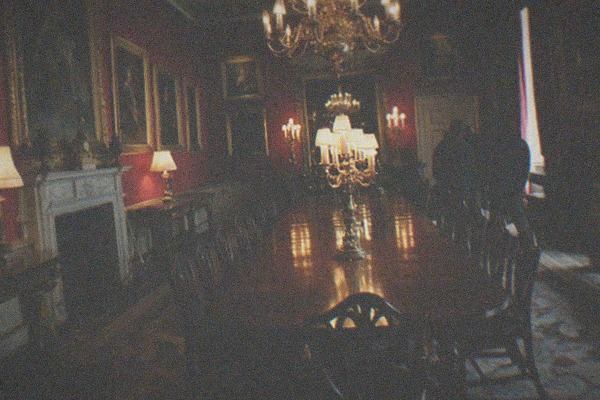
Hyde Park Corner · Wellington Museum; 'Number 1 London' with Waterloo Gallery.
Duke of Wellington's home with art collection including Velázquez and Goya.
Check latest prices Check availability →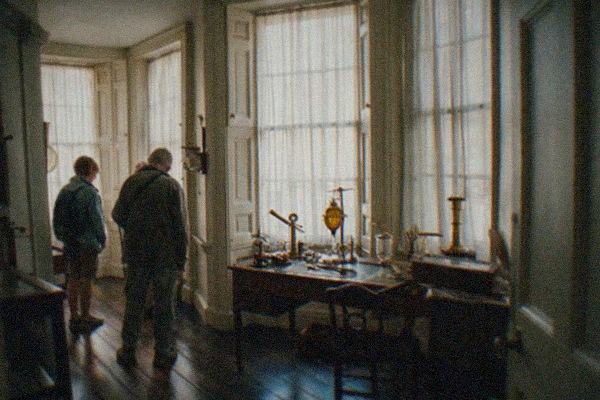
Charing Cross · Site of scientific experiments and diplomacy.
Franklin's only surviving London home with historical experiences.
Official tickets →