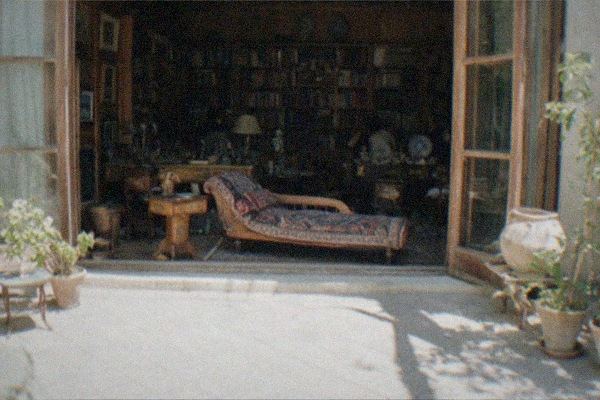
Freud Museum
Hampstead · Iconic psychoanalytic couch and Anna Freud's contributions.
Sigmund Freud's final home with study, couch, and antiquities collection.
from $20.18per person, live price on the listing Check availability →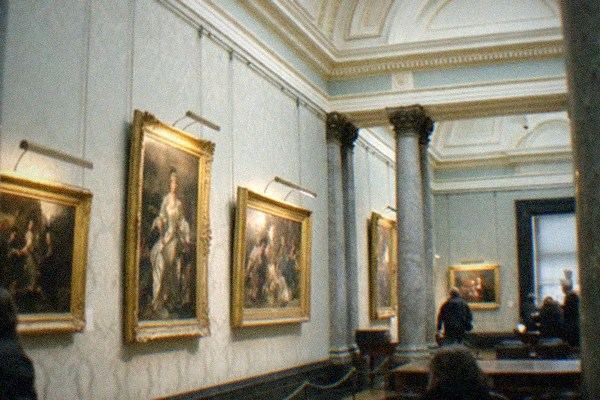
Free entry, no ticket needed.
Rembrandt self-portrait and Vermeer in English Heritage care.
Plan your visit →Opens the museum's own visitor page. There is nothing to book: the permanent collection is free.
Kenwood House is an 18th-century stately home on the edge of Hampstead Heath, kept by English Heritage. Inside are Robert Adam interiors and a collection of Old Masters, including a Rembrandt self-portrait and a Vermeer. It suits anyone after serious paintings and grand rooms without paying a penny for entry.
The house holds a collection of Old Masters in the care of English Heritage, and its signature paintings are a Rembrandt self-portrait and a Vermeer. These hang alongside the rest of the Iveagh Bequest in galleries designed by Robert Adam, whose interiors are the second reason most people make the trip. Entry to all of it is free.
The Rembrandt self-portrait is the picture people come for. He painted it late in life, and it shows him in a soft cap, eyes level with the viewer, every brushstroke doing quiet work. The Vermeer nearby is rarer still. Fewer than forty paintings by Vermeer survive anywhere in the world, and having one sit in a north London villa, free to walk up to, is a genuinely odd and wonderful state of affairs. Stand in front of it long enough and the light in the room starts to feel like part of the painting.
But the building is not just a container. Robert Adam remodelled the house in the 1760s, and his work here, the library in particular, ranks among the finest interiors in the country. The library ceiling, the plasterwork, the proportions of the room: this is the sort of space architects make pilgrimages for. The rest of the house follows the same logic, with a great staircase, sculpture in the hall and parkland visible through tall windows.
The collection came to the house largely through the 1st Earl of Iveagh, who bequeathed his paintings to the nation on the understanding that they stayed at Kenwood. That is why the hang feels like a private collection rather than a museum'sdidactic installation. Gainsborough, Romney, Turner and Van Dyck are all in the mix, and you move through them room by room rather than along a route laid out by a curator. The full listing of what is on display is on the official Kenwood House page.
One honest note for comparison shoppers: if your interest is specifically Dutch masters at scale, the national collections in central London go wider. Kenwood's strength is intimacy and the setting. You see the paintings in the house they were given to, in a room Adam designed, with the Heath outside. Very few free galleries in the city offer that combination. The British Museum is the obvious free counterpart if you want breadth, but Kenwood rewards a different mood entirely.
Entry to Kenwood House is free to all, year round, and no ticket is needed for the permanent collection and the Adam interiors. The only thing you may pay for is an exhibition or event running on top of the free offer, and those change through the year. Check the current price of any exhibition on the museum's own site.
This is a genuine free entry, not a free-with-conditions arrangement. You walk in, you pay nothing, and that applies to everyone regardless of nationality, age or anything else. English Heritage members and non-members are in the same position here. There is no suggested donation demanded at a desk, no queue for a timed slot, and no pricing tier that quietly funnels you towards paying. A donation box exists, and contributing is a matter of conscience rather than expectation.
What complicates the picture, mildly, is the exhibition programme. Kenwood periodically stages ticketed exhibitions and events, and those are the paid layer. Because the programme changes, printing prices here would mislead you within months. If an exhibition interests you, check the current price on the museum's own site before travelling. Skipping it costs you nothing: the Rembrandt, the Vermeer and the Adam interiors are all in the free part of the house.
Children are also free. Under-18s enter at no cost, and advance booking may be advised for family visits at busy times, so the practical advice is to look at the house's own site if you are bringing a group or visiting during school holidays. Nothing here requires a purchase in the way commercial attractions do.
| What | Cost | Notes |
|---|---|---|
| Standard entry to house and collection | Free | All visitors, year round, no ticket needed |
| Children (under-18s) | Free | Advance booking may be advised, check the museum's site |
| Temporary exhibitions and events | Check the current price on the museum's own site | Paid extras, changing programme |
| English Heritage membership | Not required | Entry is free for members and non-members alike |
For context on how unusual this is: plenty of London's grand houses charge twenty or thirty pounds at the door. Kenwood sits alongside the free national galleries in spirit. If you are building a trip around free entry, pair it with the Painted Hall if painted ceilings are your thing, though note that one does charge, or keep it strictly free with a day at the British Museum.
Allow two to three hours for the house and its paintings, and add another hour or more if you want to walk the grounds or stray onto Hampstead Heath. A weekday morning is the quietest window. Opening hours and closed days shift through the year, so confirm them on the museum's own site before you set out.
Two hours covers the collection at a reasonable pace. The house is not vast; it is a villa, not a palace, and the gallery rooms sit together in a compact circuit. Serious painters will want longer. If the Rembrandt and the Vermeer are the point of your visit, give them twenty unhurried minutes each and let the rest of the collection fill the remaining time around them. First-time visitors consistently find the Adam library eats more time than expected, because the instinct is to sit and look up.
Timing matters more here than at central London museums. Kenwood sits on the northern edge of Hampstead Heath, away from a tube station's doorstep, so arriving early means both an empty house and a choice walk afterwards. Summer weekends bring locals and families into the park, and the house shares some of that footfall. Weekday mornings in spring and autumn are the sweet spot: light in the galleries, leaves worth looking at, and no crowds at the paintings.
The cafe and grounds deserve the extra hour. The lawns slope away from the house, there are long views across the Heath, and in good weather half of London has the same idea, which tells you something about the setting. Plan for it rather than treating Kenwood as an in-and-out stop.
| At A Glance | Detail |
|---|---|
| Opening hours | On the museum's site |
| Closed days | On the museum's site |
| Time to allow | 2 to 3 hours in the house, more with the grounds |
| Nearest station | On the museum's site |
| Entry cost | Free, no ticket needed |
| What is included | Robert Adam interiors, Old Masters including the Rembrandt self-portrait and Vermeer, grounds |
| Location | Hampstead, north London (51.57155, -0.16734) |
One planning note on which day to pick: because hours and any exhibition schedules change seasonally, the English Heritage page for Kenwood is the reliable source for the specific date you have in mind. This guide deliberately does not reprint hours that may have moved since publication.
Kenwood House is in Hampstead, at the northern edge of Hampstead Heath, and it is not a central London attraction. Getting there involves a station walk or a bus ride plus a walk, so build in twenty minutes of travel either side. Full directions, including the nearest station and parking details, are listed on the museum's own site.
The location is the single biggest thing visitors get wrong. People arrive expecting a tube stop opposite the front door, and there is not one. The house sits deep in the Heath's landscape, approached up a drive, and the walk to it is part of the experience rather than an inconvenience. The official Kenwood House page sets out the nearest station and bus routes, and because transport details are worth having exactly right on the day, that is the source to trust.
On facilities and access, the same rule applies. English Heritage publishes current accessibility information for the house and grounds, covering step-free routes, accessible toilets and any restrictions in the historic interiors, and that detail belongs on their page rather than paraphrased here. Historic houses always carry some compromises, and Kenwood's are specific enough that checking first is worth two minutes of your time.
On bags: large luggage is a recurring pain point at small historic houses, and Kenwood's gallery rooms are intimate. There is no published national rule this page can verify, so if you are travelling with suitcases or bulky bags, confirm the current policy on the museum's site. A small day bag is rarely a problem anywhere; a weekend's luggage is a different matter.
Practical advice beyond the logistics. Wear shoes you can walk in, because the Heath approach and the grounds reward it. Bring less rather than more, since the free entry means no ticket desk, no collection point and nothing to carry but a phone. And eat before or after rather than relying on a specific cafe being open, unless the official site confirms it for your date. None of this is unique to Kenwood, but the semi-rural setting makes each item matter slightly more than it would in Bloomsbury.
Families should know the booking point from earlier in this guide: under-18s are free, and advance booking may be advised, so check the house's site for holiday-period visits. Otherwise the house is straightforward. No ticket, no queue for entry, no payment to plan around.
Hampstead Heath is the natural pairing. Kenwood sits at its northern edge, so the classic day is a walk across the Heath followed by the house, or the house followed by the Heath, with Hampstead village's cafes and lanes at one end of it. Allow most of a day for the full loop.
The walk itself is the draw. Hampstead Heath is one of the great open spaces in London, wilder and hillier than any royal park, with the ponds, the Parliament Hill views and the woodland paths that make it feel further from the city than it is. Approaching Kenwood from the south means you arrive at the house through landscape designed to show it off, which is how the 18th century intended it. In reverse, you finish the day on high ground looking back at the skyline.
Hampstead village sits at the other edge of the Heath, walkable from the house, and is worth the detour. There are lanes of Georgian houses, an old high street of independent shops, and enough cafes to fix any energy problem mid-walk. Keats lived here and the house he lived in is in the village, if literary stops appeal. For a full day in the area, Kenwood in the morning, the Heath at midday and the village in the afternoon is a sequence that works in every season.
If Hampstead is not the end of your planning and you are fitting Kenwood into a wider London itinerary, it pairs best with other places where paintings or interiors carry the visit. The Painted Hall at the Old Royal Naval College is the strongest comparison, a single room of baroque ceiling painting that rewards the same patient looking, though unlike Kenwood it charges admission. If you are travelling with children and the Old Masters are losing the argument, the Postal Museum with its mail rail ride is a different sort of morning entirely, back in central London.
The other honest pairing advice concerns daylight. Kenwood and the Heath are outdoor-heavy pleasures. In winter the light goes early, so the house first, the walk second, works best from November through February. In summer, reverse it, walk the Heath while the sun is high and let the galleries cool you down afterwards. Either way the area absorbs a full day without effort, which is more than can be said for most free attractions in the capital.
Yes. Entry to Kenwood House is free to all, year round, and no ticket is needed. You pay nothing to see the Robert Adam interiors, the Iveagh Bequest paintings including the Rembrandt self-portrait and the Vermeer, or the grounds. The only paid elements are temporary exhibitions or events, which change through the year.
For standard entry, no ticket is needed at all. Advance booking may be advised for children and family visits, particularly at busy times, so check the museum's own site if you are visiting with under-18s during holidays. For ticketed exhibitions and events, booking details are published on the English Heritage Kenwood page.
It is best known for a Rembrandt self-portrait and a Vermeer, both in the care of English Heritage as part of the collection of Old Masters at the house. The Robert Adam interiors, the library especially, are the other hallmark. The combination of world-class paintings inside an 18th-century stately home is what sets it apart.
Kenwood House is in Hampstead, at the northern edge of Hampstead Heath in north London, at coordinates 51.57155, -0.16734. There is no station at the door, so expect a walk from the nearest station or a bus plus a walk. Current directions, including the nearest station, are on the museum's own site.
Allow two to three hours for the house and the paintings, and add at least another hour if you plan to walk the grounds or Hampstead Heath. Visitors who come specifically for the Rembrandt self-portrait and the Vermeer often spend longer in front of those two works than the rest of the collection combined.
Yes, under-18s enter free, the same as everyone else. Advance booking may be advised for family visits, especially during busy periods such as school holidays, so check the museum's own site for the date you plan to come. There is no entry charge of any kind for the permanent collection.
Only temporary exhibitions and events, which run as a changing programme on top of the free permanent offer. Prices for these vary, so check the current price on the museum's own site for whatever is showing when you visit. The house, its Adam interiors, the Old Masters and the grounds all remain free.
Hampstead Heath is the natural pairing, since the house sits at its northern edge, and Hampstead village with its cafes and lanes is walkable beyond that. For a wider London itinerary built around interiors and paintings, the Painted Hall at the Old Royal Naval College is a strong companion, though it charges for entry where Kenwood does not.
Hampstead · Iconic psychoanalytic couch and Anna Freud's contributions.
Sigmund Freud's final home with study, couch, and antiquities collection.
from $20.18per person, live price on the listing Check availability →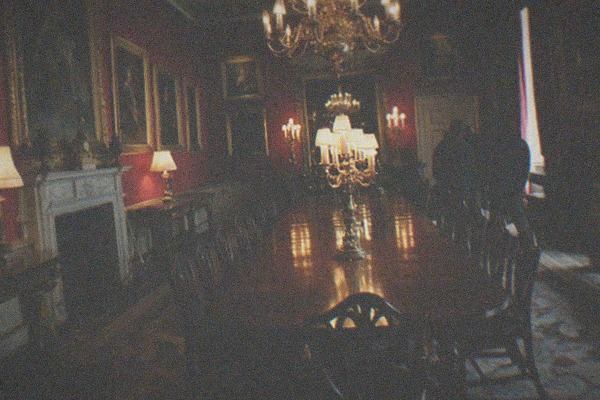
Hyde Park Corner · Wellington Museum; 'Number 1 London' with Waterloo Gallery.
Duke of Wellington's home with art collection including Velázquez and Goya.
Check latest prices Check availability →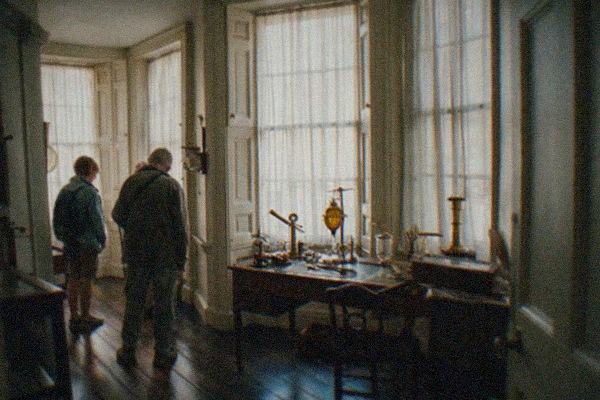
Charing Cross · Site of scientific experiments and diplomacy.
Franklin's only surviving London home with historical experiences.
Official tickets →