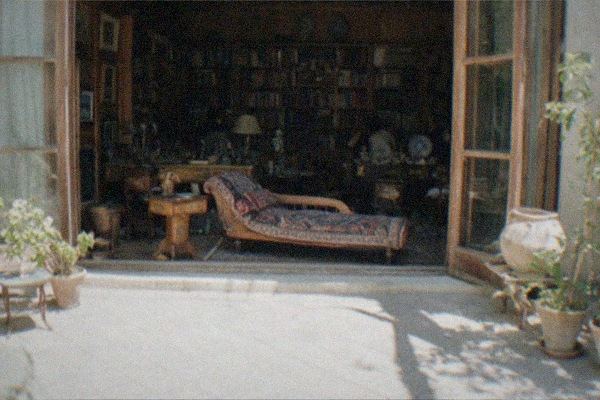
Freud Museum
Hampstead · Iconic psychoanalytic couch and Anna Freud's contributions.
Sigmund Freud's final home with study, couch, and antiquities collection.
from $20.18per person, live price on the listing Check availability →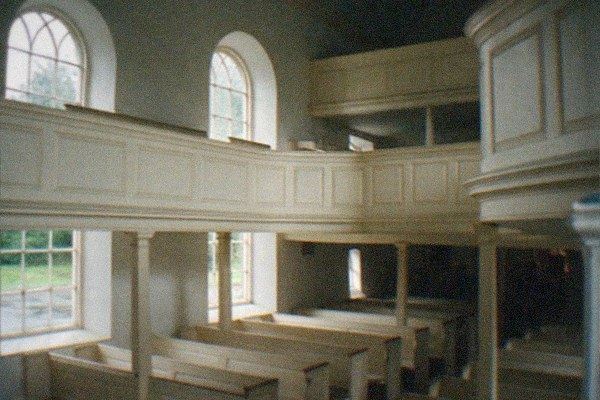
Personal artefacts and early Methodist history.
Tickets sold at the door only, nothing to book ahead.
Visitor info →Opens the museum's own website. Tickets are sold at the door only.
John Wesley's House is a small Georgian townhouse on City Road, preserved as the London home of the founder of Methodism, with a working chapel alongside. It suits anyone interested in religious history, eighteenth century domestic life, or quiet, unfussy heritage visits away from the big museum crowds.
John Wesley's House is the surviving Georgian residence of John Wesley, the clergyman who founded Methodism, located beside his chapel on City Road in London. The house holds his personal artefacts and traces the early history of the Methodist movement. The chapel next door is part of the same site and shares its story.
Wesley built the house in 1779 so that he had a permanent London base for the last years of his life. He lived here until his death in 1791, and the building has been cared for as a memorial ever since. What makes it unusual among London's historic houses is how direct the connection is. This is not a house where a famous person briefly stayed. It is where he worked, prayed, wrote letters, received visitors and died.
The house sits directly next to Wesley's Chapel, sometimes called the Mother Church of Methodism, which Wesley opened in 1778. The two buildings form one heritage site, together with a small museum devoted to the history of Methodism. Visitors tend to move between the house, the chapel and the museum in a single visit, and the combined experience tells the story of a movement that grew from modest London beginnings into a worldwide denomination.
The site is quiet, central and easy to reach, yet it remains one of the less crowded heritage attractions in central London. That combination is increasingly rare, and it is a fair part of the appeal. If you have an hour or two spare near Old Street or the Barbican, it rewards the detour far more than its size suggests. For context on how London's smaller historic sites compare with the headline names, our British Museum visitor guide covers the city's most visited museum, which lies a short journey away.
The hallmark of the visit is the collection of John Wesley's personal artefacts: items that belonged to the man himself, displayed in the rooms where he lived. Alongside these, the house shows recreated Georgian domestic interiors, and the chapel and museum of Methodism complete the story of early Methodist history.
The house is arranged over several floors, and the rooms are presented to reflect how they would have looked in Wesley's day. You see the private space of a man who was otherwise almost permanently on the road, riding thousands of miles a year to preach. His study and his bedroom are the emotional centre of the visit. Wesley died in this house, and his bedroom is preserved with that history in mind.
The personal artefacts are what distinguish this site from a generic period house. Small objects owned and used by Wesley, from his clothing to items connected with his daily routine and ministry, bring the man closer than any explanatory panel can. If you arrive knowing little about him, the artefacts do the teaching. If you arrive already interested, they are the reason to come.
The chapel next door deserves time of its own. It is an eighteenth century preaching house with the broad gallery arrangement typical of Nonconformist chapels of the period, designed so that large congregations could both hear and see the preacher. Wesley's pulpit and the communion area are part of the interior visitors see today. The small museum of Methodism on the site adds context, covering how the movement spread, and there is a peaceful burial ground associated with the site where Wesley's monument stands.
Visitors with a general interest in historic interiors may also enjoy comparing this modest preacher's home with grander survivors of the same era. Our guide to the Painted Hall at Greenwich covers one of the most lavish interiors of the period, which makes a useful contrast with Wesley's deliberately plain way of living.
Admission to the Museum of Methodism and John Wesley's House is free or by donation for individuals and families, though a standard adult admission price of £10 is also listed by the site. There is no online ticket sold anywhere, so entry is arranged at the door. Check the current price on the museum's own site before you go.
The pricing picture at this site is genuinely a little confusing, and it is better to be honest about that than to guess. The museum's own material states that admission to the Museum of Methodism and John Wesley's House is free or by donation only for individuals and families. At the same time, a standard adult admission of £10 appears in official pricing. The safest reading is that donation-based entry applies to ordinary individual and family visitors, and you should confirm the figure that applies on the day of your visit.
Children enter free under the donation policy, which applies to all visitors. Because nothing is sold through any third party, there are no discount codes, bundles or timed-slot resellers to compare against. You simply arrive, pay or donate as appropriate, and go in. For many visitors this is a pleasant change from the ticketing apparatus that surrounds larger London attractions.
There is no online ticket anywhere for this site. Any page claiming to sell entry to John Wesley's House is not the museum's own channel. To confirm prices, opening arrangements or the donation policy, use the official visitor page at wesleysheritage.org.uk/visiting-us/.
| Entry Type | Price | Notes |
|---|---|---|
| Standard adult admission | £10 | Price as listed by the site; not a Gift Aid figure |
| Admission, Museum of Methodism and John Wesley's House | Free or by donation (individual and family) | Donation policy applies to all |
| Children | Free | Donation policy applies |
| Online tickets | None sold anywhere | Entry is arranged on site, door only |
| Where to confirm | on the museum's site | Check the current price on the museum's own site |
If you are planning a wider heritage itinerary and want to see how other London sites handle pricing, our Postal Museum guide covers a family favourite where ticketing works very differently, with pre-booked slots and paid rides.
John Wesley's House stands on City Road in central London. Most visitors allow around one to two hours for the house, chapel and museum together. Opening hours vary and are published on the museum's own site, so check before travelling. The nearest station details below help with planning a route.
The site's location is one of its practical strengths. City Road places it between the City of London and Islington, with Old Street very close by and Angel also within easy reach. From either station the walk is short and simple, and the chapel building is a visible local landmark that helps with orientation.
There is no need to plan around crowds in the way you would at a major museum. Visitor numbers are modest, and you can generally move through the house at your own pace. School groups do visit, since the site is popular for religious education, so weekday mornings in term time can be busier than other times, but this is a matter of degree rather than a serious queue problem.
| Detail | Information |
|---|---|
| Location | City Road, London |
| Coordinates | 51.52359, -0.08703 |
| What is included | John Wesley's House, the chapel and the Museum of Methodism |
| Time to allow | on the museum's site |
| Opening hours | on the museum's site |
| Closed days | on the museum's site |
| Nearest stations | Old Street and Angel (check the museum's site for its recommended route) |
| Tickets | Door only, no online ticket sold anywhere |
| Official page | wesleysheritage.org.uk/visiting-us/ |
Because opening hours at small heritage sites often follow seasonal patterns, and because the chapel remains a living place of worship with services and events, the current opening arrangements should always be taken from the museum's official visiting page rather than from any directory, including this one.
The site sits on City Road, with Old Street the most convenient Underground station for most visitors and Angel also within reasonable walking distance. Bus routes along City Road serve the area well. The entrance is on the road, and the chapel's prominence makes the site easy to spot.
From Old Street station, the walk to the chapel is a matter of a few minutes along City Road, one of the older major routes out of the City of London. The road runs from the Angel end of Islington towards the City, and the chapel occupies a prominent corner position. Anyone approaching from the south, perhaps from the Barbican or the Museum of London area, will find the route flat and direct.
Bus travel is a good option here because City Road is a busy corridor with frequent services from the City and from Islington. If you are coming from further afield, Old Street is on the Bank branch of the Northern line, while Angel is served by the Bank branch too, so both stations work for the same journeys and the choice between them comes down to which end of City Road suits your walking route.
Cycling is practical, as the area is well served by cycle routes, and there are quiet side streets off City Road if you prefer to avoid the main road. For drivers, central London congestion charging and the general shortage of parking in the area make the car a poor choice here. Use public transport and the visit becomes genuinely easy.
John Wesley's House is a small, authentic Georgian building, so expect narrow stairs, compact rooms and period features rather than modern museum circulation. Opening hours and any access arrangements are published on the museum's own site, and checking them in advance is the single most useful thing you can do.
Because this is a real eighteenth century townhouse, the practical realities of the building shape the visit. Staircases are of their period, rooms are small, and visitor flow works best when numbers stay modest. Anyone with limited mobility should read the museum's own access information before travelling, as heritage buildings of this age vary greatly in what they can offer, and the museum is the authority on current provision.
Bags and large items: treat this as you would any historic house. Small rooms and delicate artefacts mean large rucksacks are better left behind if possible. The museum's own site carries the current guidance, and any specific rules on photography, food or guided tours should be confirmed there too.
A word on tone. This is a place of worship as well as a museum. Services and events still take place in the chapel, so you may encounter a congregation or a rehearsal during your visit. Most visitors find this adds to the atmosphere rather than getting in the way, but it is worth being aware that this is not a sanitised heritage site. It is a living institution that happens to have a remarkable history.
Finally, do not expect a shop, cafe or extensive facilities on the scale of a national museum. The site is compact and the experience is centred on the house and chapel themselves. Plan refreshments elsewhere, of which the surrounding area, between Shoreditch and the City, has plenty.
John Wesley's House sits on the edge of Clerkenwell, Shoreditch and the City of London, so it pairs naturally with several major attractions within a short journey. The Barbican Centre, the Museum of London area and the Street of old London churches are all close, and central London museums are easy to reach by Tube.
The most obvious pairing is with the City of London itself. Wesley's ministry was inseparable from the religious life of eighteenth century London, and the area around his chapel is dense with historic churches and surviving Georgian fabric. Walking from City Road towards St Paul's Cathedral takes you through the streets where much of his preaching career played out.
The Barbican Estate and Centre are within easy reach, offering Brutalist architecture, a concert hall, exhibitions and one of the more striking contrasts imaginable with the quiet Georgian order of Wesley's home. Old Street and Shoreditch, with their restaurants, markets and street life, sit immediately north of the site for anyone wanting food or drink after a visit.
For museum lovers planning a fuller day, the site's position near Old Street makes it a good morning stop before heading to larger institutions. The British Museum is a short Tube journey away via the Northern line and Central line connections from Old Street, and our guide there covers tickets and planning in detail. Families with children might prefer to pair the visit with the Postal Museum near Mount Pleasant, which is close by London standards and offers a very different, very hands-on experience.
If your interest in the eighteenth century is architectural, extend the day to Greenwich, where the Painted Hall shows what the age could do with money and ambition. Wesley's plain house makes a memorable counterpoint.
Admission to the Museum of Methodism and John Wesley's House is free or by donation only for individuals and families. A standard adult admission price of £10 is also listed by the site. Check the current price on the museum's own site before your visit.
No. There is no online ticket for this site sold anywhere, and no third party sells entry on its behalf. Entry is arranged at the door only. Any page claiming to sell advance tickets to John Wesley's House should be treated with caution.
Children enter free. The donation policy applies to all visitors, including families. For the current position on prices and any special arrangements, check the current price on the museum's own site.
The site is compact, covering the house, the chapel and the Museum of Methodism. Most visitors will spend a relaxed hour or two rather than half a day. There is no timed entry, since tickets are door only, so you can go at your own pace.
The site is on City Road in central London, at coordinates 51.52359, -0.08703. Old Street is the most convenient Underground station for most visitors, with Angel also within reasonable walking distance. Buses serve City Road frequently.
Its hallmark is the collection of John Wesley's personal artefacts, displayed in the rooms where he actually lived and worked. Combined with the chapel he built and the Museum of Methodism, it tells the story of early Methodist history from its London base.
No. The £10 standard adult admission figure listed for this site is the museum's own price and is not a Gift Aid figure. Admission is also described as free or by donation for individuals and families, so confirm what applies on the museum's own site.
Opening hours and closed days are not published consistently across directories, so always take these from the museum's official visiting page at wesleysheritage.org.uk/visiting-us/. The chapel remains a working place of worship, so service times and events can also affect a visit.
Hampstead · Iconic psychoanalytic couch and Anna Freud's contributions.
Sigmund Freud's final home with study, couch, and antiquities collection.
from $20.18per person, live price on the listing Check availability →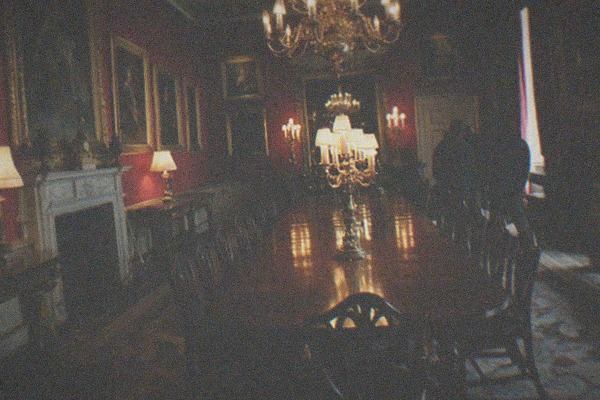
Hyde Park Corner · Wellington Museum; 'Number 1 London' with Waterloo Gallery.
Duke of Wellington's home with art collection including Velázquez and Goya.
Check latest prices Check availability →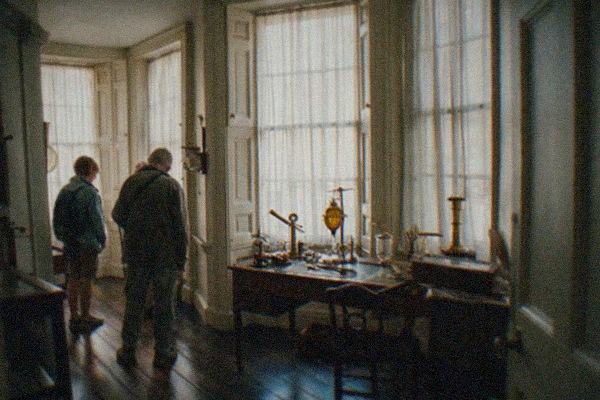
Charing Cross · Site of scientific experiments and diplomacy.
Franklin's only surviving London home with historical experiences.
Official tickets →