A Three Day London Museum Itinerary Built Around Geography
Three days is enough to see London's museum highlights without spending half of each trip on the Tube, provided you group the stops by neighbourhood instead of jumping between famous names.
 By James Whitfield, London Museums And Travel Writer
Short answer
Plan one Bloomsbury day around the free British Museum, one South Kensington day covering the free Natural History Museum, Science Museum and V&A, and one eastern day for the Tower of London at GBP 37 or Greenwich's free National Maritime Museum. Every stop on the South Kensington day is free, and the only compulsory spend on the whole route is the Tower.
Most first-time London museum plans fail for the same reason: they treat the map as a menu. The British Museum in the morning, the Tower of London at lunch, Tate Modern in the afternoon sounds efficient until you realise those three stops are scattered across the city and each one deserves half a day. A better approach is to sort London's museums by neighbourhood and give each neighbourhood a full day, because London's collections cluster: Bloomsbury holds a dense strip of historic and literary museums, South Kensington packs three national museums onto two adjacent roads, and the Tower of London shares the eastern riverside with Greenwich's maritime cluster.
This itinerary does exactly that. It also leans on the single most useful fact about visiting museums in this city, which is that 20 of the 48 museums covered by London Museums charge nothing to enter. The big names on this route, including the British Museum, the Natural History Museum, the Science Museum and the V&A, are all free, so the only real budget decisions are the Tower of London, the Cutty Sark and a couple of small Bloomsbury house museums.
How Should You Structure A Three Day London Museum Itinerary?
Build the three days around geography rather than fame: one day in Bloomsbury around the British Museum, one day in South Kensington where three free national museums sit on the same two roads, and one day east for the Tower of London or Greenwich. Grouping by neighbourhood cuts travel time roughly in half and keeps every day walkable.
The logic is simple. London's museum quarter around South Kensington exists because three national institutions were planted there in the Victorian era, and Bloomsbury's cluster grew around the British Museum and the University of London. Greenwich's maritime museums sit together because they were the royal and naval centre of the river. Fighting that geography wastes hours; using it means each day has one base, one Tube ride at most, and short walks between stops.
Order the days by energy too. The British Museum is enormous and best tackled with fresh legs, so it anchors day one. South Kensington is the most relaxed day because all three museums are free and need no ticket for their permanent collections, so you can leave one early without feeling you wasted money. The Tower of London is the one unmissable paid stop, and it works best on a final morning when you know your pace.
One planning note that surprises visitors from Paris or Amsterdam: most London museums are open on Mondays. The weekly closure pattern that dominates other European capitals largely does not apply here, so this itinerary works starting on any day of the week. If your dates are flexible, the guide to London museums open on Monday lists the handful of exceptions worth checking before you lock in day one.
What Should Day One In Bloomsbury Look Like?
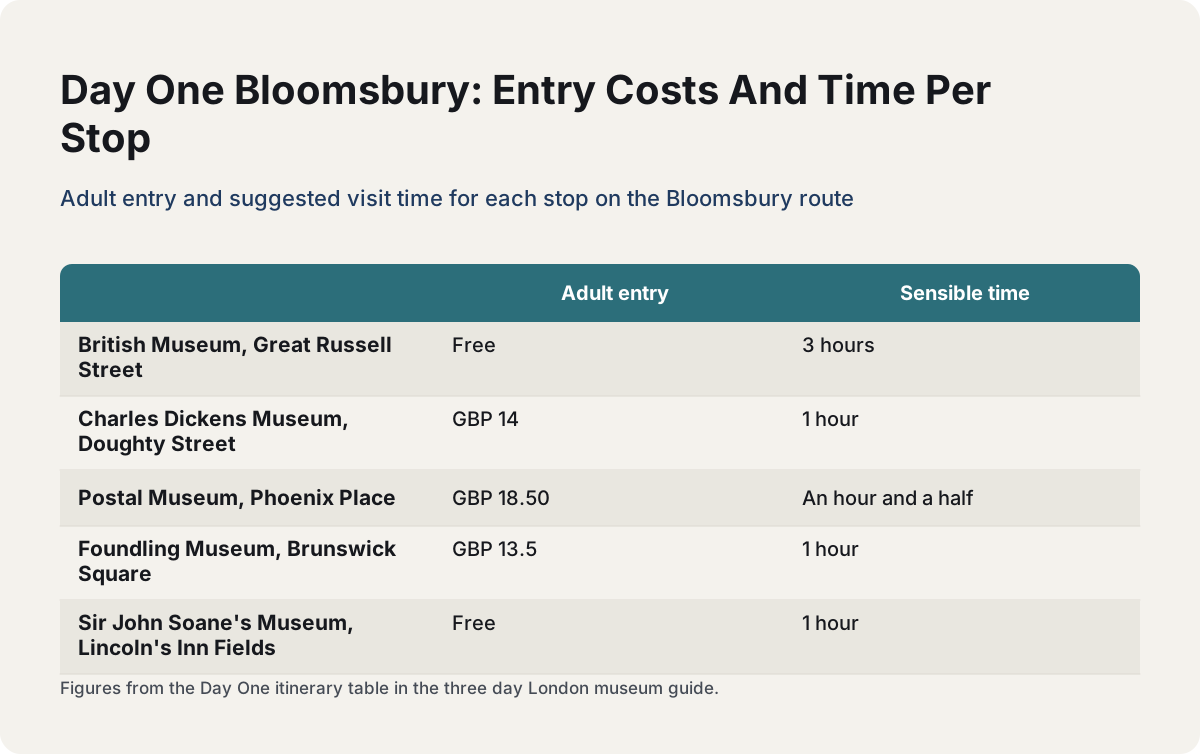
Start at the British Museum on Great Russell Street, which is free, then work north and east through Bloomsbury. The Charles Dickens Museum is a 12 minute walk, the Postal Museum is about 15 minutes beyond it, and the Foundling Museum sits between them. Finish at Sir John Soane's Museum, also free, near Lincoln's Inn Fields.
Give the British Museum the first three hours of the day. Entry to the permanent collection is free, though special exhibitions and some events are paid, and advance booking is recommended but not required for the collection itself. Timed entry applies, so if you are visiting in a busy period, reserve a free slot ahead. First-timers should head straight for the Parthenon sculptures, the Rosetta Stone and the Egyptian galleries on the ground floor, then let the central Great Court decide the rest of the route. If you want a guide rather than a map, the British Museum guided tour options start from $9.31 and skip the planning entirely.
After the British Museum, the day splits into two flavours. The literary route goes 12 minutes north up Doughty Street to the Charles Dickens Museum, the house where he wrote Oliver Twist, with adult entry at GBP 14. The hands-on route goes about 15 minutes east to the Postal Museum on Phoenix Place, adult entry GBP 18.50, where the small railway that carried London's mail underground is the star. The Foundling Museum on Brunswick Square sits between the two, costs GBP 13.5, and is free for anyone aged 21 or under.
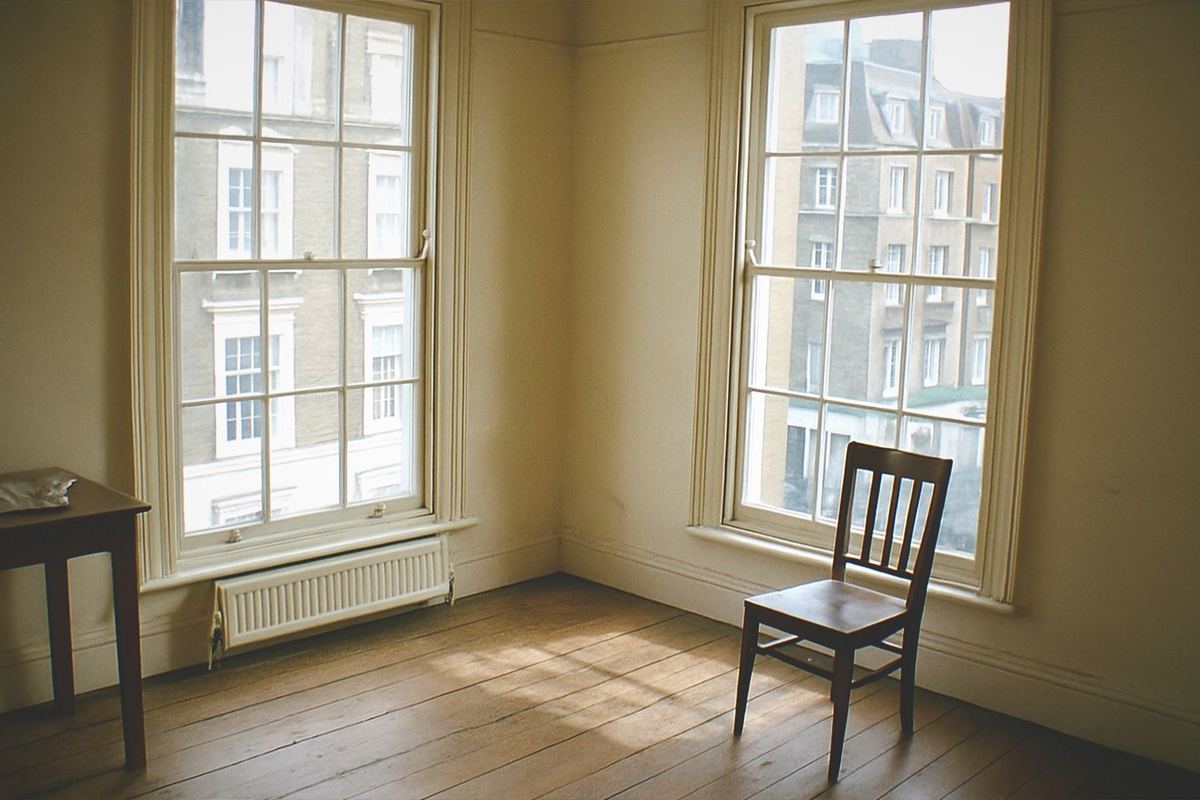
Whichever branch you pick, end the day at Sir John Soane's Museum, a free 15 minute walk west near Lincoln's Inn Fields. It is the former house of an architect who crammed it with antiquities, paintings and architectural fragments, and it is one of the strangest free afternoons in London. Advance booking may be required for busy periods, so check before turning up.
| Stop | Adult entry | Sensible time | Travel from previous stop |
|---|---|---|---|
| British Museum, Great Russell Street | Free | 3 hours | Start here, nearest Tube: Tottenham Court Road |
| Charles Dickens Museum, Doughty Street | GBP 14 | 1 hour | 12 minute walk north |
| Postal Museum, Phoenix Place | GBP 18.50 | An hour and a half | 15 minute walk east |
| Foundling Museum, Brunswick Square | GBP 13.5 | 1 hour | 10 minute walk from either |
| Sir John Soane's Museum, Lincoln's Inn Fields | Free | 1 hour | 15 minute walk west |
What Should Day Two In South Kensington Look Like?
Spend the whole day on Exhibition Road and Cromwell Road. The Natural History Museum, the Science Museum and the V&A are all free, all within a five minute walk of one another, and all served by South Kensington station. Pick two in depth rather than three at a sprint, and book the free advance tickets for busy periods.
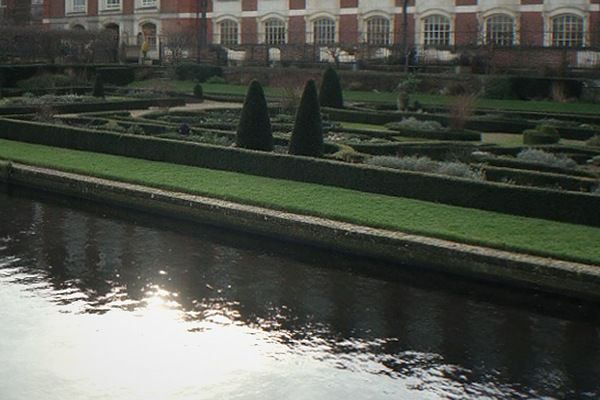
South Kensington is the easiest museum day in Europe, and it is no exaggeration to call it that. Three national museums share two adjacent roads: the Natural History Museum and the V&A face each other across Cromwell Road, and the Science Museum sits behind the Natural History Museum on Exhibition Road. General admission is free at all three, though each charges for special exhibitions, and the Science Museum's paid extras like Wonderlab and the IMAX sit on top of free entry.
Start at the Natural History Museum when the doors open, because the dinosaur gallery and the blue whale in the entrance hall are the two exhibits everyone photographs, and both get congested by late morning. Entry is free and an advance free entry ticket is recommended for busy periods. Families with younger children should budget the whole morning here; the guide to how long the Natural History Museum takes is worth a read before you commit.
Cross Cromwell Road to the V&A after lunch. It is the world's largest museum of decorative arts and design, entry needs no booking for general admission, and the cast courts, the fashion galleries and the glassware are the highlights most visitors miss by rushing. If you have energy left, the Science Museum's flight gallery and early computing collection are a five minute walk north. Doing all three in one day is possible but shallow; two done properly is the better trade.
| Stop | Adult entry | Sensible time | Travel from previous stop |
|---|---|---|---|
| Natural History Museum, Cromwell Road | Free | 3 hours | South Kensington station, 5 minute walk |
| V&A, Cromwell Road | Free | Two and a half hours | Directly across the road |
| Science Museum, Exhibition Road | Free | 2 hours | 5 minute walk north |
| Optional: Hyde Park or Kensington Gardens | Free | 1 hour | 10 minute walk from the V&A |
The full neighbourhood picture, including where to eat between the museums, is in the South Kensington museums guide.
Should Day Three Be The Tower Of London Or Greenwich?
Do the Tower of London in the morning, when the Crown Jewels queue is shortest, then travel east to Greenwich for the afternoon. The National Maritime Museum and Queen's House are free, the Cutty Sark is GBP 22 and the Royal Observatory is GBP 24. One day covers the Tower plus two Greenwich stops comfortably.
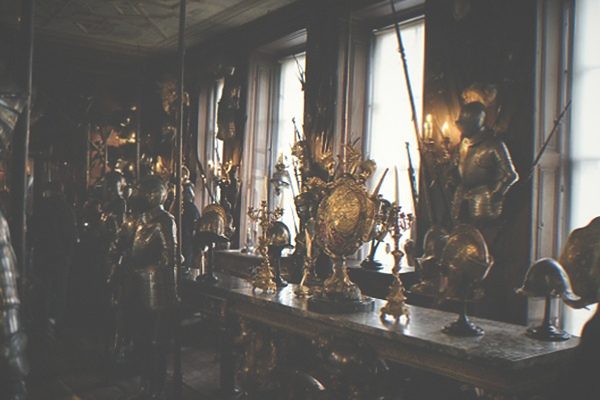
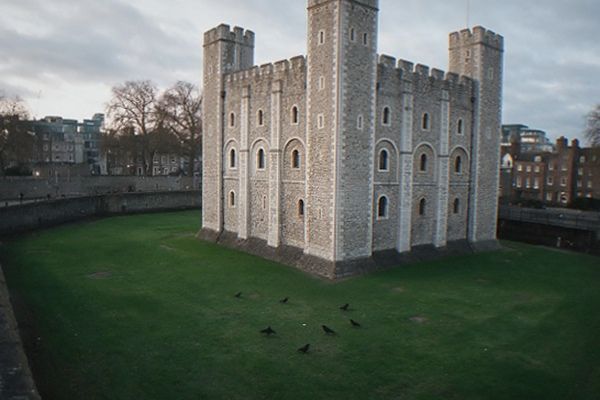
The honest answer is that you should do both halves of the east, and the geography allows it. The Tower of London opens early, and the Crown Jewels are the one exhibit where arriving at opening genuinely saves you an hour of queueing. Adult entry is GBP 37 at the door, children aged 5 to 15 pay GBP 18.50, and under 5s go free. Timed entry is required, so book the earliest slot you can manage. A full visit, including a Yeoman Warder tour and the White Tower, takes about three hours. The Tower of London tour options include guided tickets from $79.93 if you want the stories without the guidebook, and you can Check availability once your dates are firm.
From Tower Hill, Greenwich is about 20 minutes away on the DLR to Cutty Sark station, or longer but far more scenic by river boat. Greenwich is the densest free-museum cluster in the city: the National Maritime Museum, the Queen's House and the Museum of London Docklands a short ride north all charge nothing, while the Cutty Sark, the Royal Observatory and the Painted Hall are the paid draws. If you only have the afternoon, pick the National Maritime Museum plus one paid stop. The Greenwich museums guide breaks the full day down.
If you would rather not add a paid ticket to day three at all, a free guided walk is the other way to get the stories. GuruWalk lists genuinely free, pay-what-you-want walking tours in London: you book without paying anything and tip the guide at the end. Several of its verified London walks pass the museums on this itinerary's route, and a free British Museum highlights walk in particular costs nothing upfront and pairs neatly with day one.
| Day three option | Adult entry | Time needed | Best for |
|---|---|---|---|
| Tower of London only | GBP 37 | 3 hours | Crown Jewels, ravens, royal history |
| Tower plus National Maritime Museum | GBP 37 | Half a day | A paid morning, free riverside afternoon |
| Tower plus Cutty Sark | GBP 37 plus GBP 22 | Half a day | Ships, from medieval fortress to tea clipper |
| Greenwich only, no Tower | GBP 22 for the Cutty Sark, GBP 24 for the Royal Observatory | Half a day | Free museums plus one or two paid stops |
How Much Does Three Days Of London Museums Cost?
The only compulsory spend on this route is the Tower of London at GBP 37, and even that is a choice. The paid Bloomsbury stops cost GBP 14 at the Charles Dickens Museum, GBP 18.50 at the Postal Museum and GBP 13.5 at the Foundling Museum, while the entire South Kensington day and every Greenwich museum except the Cutty Sark and Royal Observatory cost nothing.
The striking thing about this plan is how little of it is compulsory. Everything on it can be replaced with a free alternative within walking distance: the British Museum, Sir John Soane's Museum, the Natural History Museum, the Science Museum, the V&A, the National Maritime Museum and the Queen's House together would fill all three days for nothing beyond transport and food. Add the paid Bloomsbury houses and the eastern paid stops only where the subject matter genuinely grabs you.
Two pricing cautions apply anywhere in London. First, UK charity venues display a higher Gift Aid price beside the standard one, because it includes a voluntary donation; every GBP figure in this plan is the standard adult price, so expect to see a slightly larger number on the sign and know that you are not obliged to pay it. Second, the free museums still charge for temporary exhibitions, so a "free" day at the V&A can grow a bill if a blockbuster show tempts you in.
| Day | Free plan (per adult) | Full plan (per adult) |
|---|---|---|
| Day one, Bloomsbury | GBP 0 | GBP 14 at Dickens, GBP 18.50 at the Postal Museum, GBP 13.5 at the Foundling |
| Day two, South Kensington | GBP 0 | GBP 0 plus any exhibitions |
| Day three, Tower and Greenwich | GBP 37 for the Tower | GBP 37 for the Tower, GBP 22 for the Cutty Sark, GBP 24 for the Royal Observatory |
If the total is still more than you want to spend, the guide to free museums in London lists all 20 no-cost options, several of which sit directly on this route.
How Do You Travel Between The Museums Each Day?
No single journey in this itinerary takes more than about 35 minutes. Bloomsbury and South Kensington are about 15 minutes apart on the Piccadilly line, Tower Hill to Greenwich is about 20 minutes on the DLR, and every other hop is a walk of 15 minutes or less. Use a contactless card or phone and tap straight in.
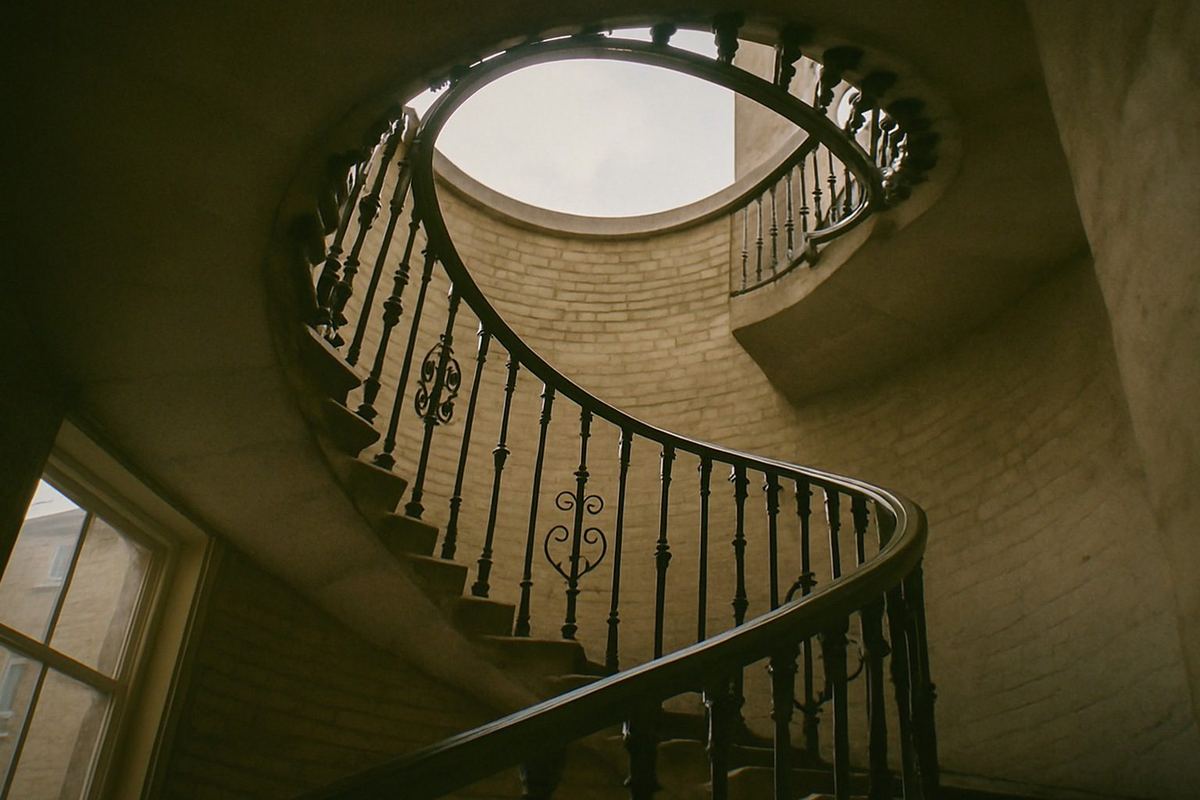
Inside each day, you should barely use the Tube at all. Day one is entirely walkable: the British Museum, the Dickens Museum, the Postal Museum, the Foundling Museum and Sir John Soane's Museum sit inside a rectangle roughly a mile across, and walking between them is faster than going underground once you add station stairs and ticket gates. Day two needs no transport whatsoever once you are at South Kensington station. Only day three involves a real journey, the eastward hop from Tower Hill to Greenwich.
The inter-day moves are the ones to plan. Holborn or Tottenham Court Road, the stations that serve Bloomsbury, connect to South Kensington directly on the Piccadilly line in about 15 minutes. Your hotel location should therefore sit on or near the Piccadilly line if you can manage it, since that single line stitches day one to day two. For day three, Tower Hill is on the Circle and District lines, reachable from most central stops in under 20 minutes.
If Greenwich becomes a full day rather than an afternoon, the river boat from central piers is the relaxed alternative to the DLR, and the walk through Greenwich itself is short: the National Maritime Museum, the Queen's House and the Cutty Sark are all within about five minutes of one another, with the Royal Observatory up the hill about 15 minutes on foot.
What Free Museums Can You Swap Into The Plan?
Twenty of London's 48 museums charge nothing to enter, and several sit directly on this route. The British Museum, the Natural History Museum, the Science Museum, the V&A, Sir John Soane's Museum, the National Maritime Museum, the Queen's House and the Museum of London Docklands are all free, so any paid stop on this plan can be swapped out at no cost.
The swaps worth knowing about, by day. On the Bloomsbury day, replacing the Charles Dickens Museum and the Postal Museum with the free Hunterian Museum at Lincoln's Inn Fields and a longer British Museum session keeps the same walking route and removes both paid tickets from the budget. On the eastern day, replacing the Cutty Sark with the free Queen's House and the Museum of London Docklands trades a ship for art and social history, and both are genuinely good rather than consolation prizes.
Beyond the route, the free list extends well past the obvious names. The Imperial War Museum in Lambeth, the Wallace Collection in Marylebone, Kenwood House on Hampstead Heath, the Design Museum in Kensington, the Horniman Museum in Forest Hill and the Bank of England Museum in the City all charge nothing for their permanent collections. Two of them, the Wallace Collection and the Bank of England Museum, are close enough to slot into spare half-days on this itinerary if you move faster than planned.
The one thing free does not mean is empty. The free nationals are also the most visited museums in the country, so their busy-period queues are real. Booking the free advance tickets where they are offered, at the British Museum, the Natural History Museum and the Science Museum among others, costs nothing and saves a wait. And if you want the guided experience at no fixed price, the free pay-what-you-want walks listed on GuruWalk cover several of the free museums on this route, with the tip settled at the end.
Common Questions About A Three Day London Museum Itinerary
Is three days enough for London's museums?
Three days is enough to see the highlights well: the British Museum, the three South Kensington nationals, the Tower of London and Greenwich's maritime cluster. It is not enough to see everything, and it is not meant to be. This plan trades breadth for depth, giving each cluster a full day instead of racing across town.
What is the best order for the three days?
Start with Bloomsbury while your legs are fresh, since the British Museum is the most tiring single stop. Follow with South Kensington, the most relaxed day because everything is free and adjacent. Save the Tower of London and Greenwich for the final day, when an early start at the Crown Jewels and a riverside afternoon make a satisfying finish.
How much does the three day itinerary cost?
It depends entirely on which optional stops you keep. The Tower of London at GBP 37 is the biggest single ticket, the Charles Dickens Museum costs GBP 14, the Postal Museum GBP 18.50, the Foundling Museum GBP 13.5, and the Cutty Sark GBP 22. The entire South Kensington day, plus the National Maritime Museum and the Queen's House in Greenwich, cost nothing.
Do I need to book any of these museums in advance?
Book the Tower of London, which requires timed entry, and reserve the free advance tickets for the British Museum, the Natural History Museum and the Science Museum in busy periods. The V&A and Tate Modern need no booking for their collections, and the small Bloomsbury and Greenwich museums are worth checking individually, since some recommend advance booking.
Can I do this itinerary with children?
Yes, and several stops are built for them. The Natural History Museum's dinosaurs, the Science Museum's flight gallery, the Postal Museum's mail railway and the Cutty Sark's crew quarters are the child-friendly anchors. Under 5s go free at the Tower of London, under 16s are free at the British Museum, and children aged 4 to 15 pay GBP 11 at the Cutty Sark.
What if I only have two days?
Keep Bloomsbury and the Tower plus Greenwich day, and fold South Kensington's highlights into either morning. The Natural History Museum alone, done early, takes about three hours and pairs with a short V&A visit before lunch. The two days you cut matter less than keeping each day inside one neighbourhood.