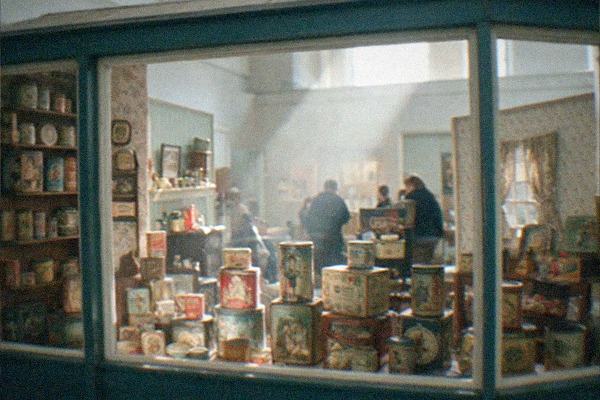
Museum of Brands
Notting Hill, Colville Mews · Time Tunnel of branded products
History of consumer culture through packaging and advertising.
from $18.97per person, live price on the listing Check availability →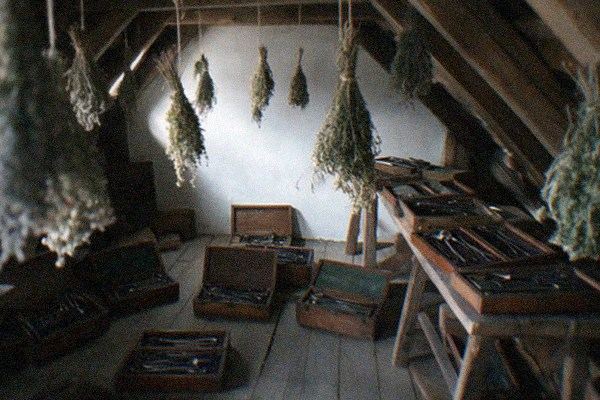
Original operating theatre with surgical instruments
Current admission is on the museum's own ticket page.
Official tickets →Opens the museum's own website. Book on the official site; nothing is charged on this page.
The Old Operating Theatre Museum is a small historic museum in Southwark built around a genuine 19th-century operating theatre and herb garret. It suits anyone interested in medical history, and it is compact enough to fit into a half-day around London Bridge or Borough Market.
The Old Operating Theatre Museum is a historic museum in Southwark, on St Thomas' Street, built around an original 19th-century operating theatre and a herb garret. It is known above all for its collection of surgical instruments and the surviving theatre itself, which predates anaesthetic and antiseptic surgery.
The museum sits in the roof space of a former church, St Thomas' Church, which once adjoined the medieval St Thomas' Hospital. The herb garret, the larger of the two main spaces, was used by the hospital's apothecary to store and dry the herbs and medicinal plants that made up much of pre-modern treatment. The wooden beams, low doorways and sloping floors of the garret are still in place, and the displays explain what each plant was believed to do.
The operating theatre is the centrepiece. It was rediscovered in 1956 after being sealed up for decades, and it is thought to be the oldest surviving operating theatre in Europe. Students once stood in the tiered stands to watch operations carried out before audiences of observing surgeons and pupils, in an era with no anaesthesia and no understanding of infection. It is a small, semi-circular room, and the atmosphere of it, dim, timber-lined and close, is a large part of why people remember their visit.
The museum is run independently rather than as part of a national museum group. It is genuinely small: a garret, a theatre, and a couple of connecting spaces. That intimacy works in its favour. You stand where spectators stood, a metre or two from where operations took place, which is a very different experience from reading about the history of surgery behind glass in a large gallery.
Because it is a specialist museum, it helps to arrive with a little context. Read up on the pre-anaesthetic era briefly before you go, or at least on why the operating theatre was built in the roof space, and the displays will land much harder. If your tastes run to unusual or niche collections elsewhere in the capital, our guide to Museum of Brands tickets covers a similarly single-minded museum of a very different kind.
Inside you see the original operating theatre with its tiered standing rails, a large collection of surgical instruments, apothecary jars and drug preparations in the herb garret, and displays on herbal medicine and pre-anaesthetic surgery. The museum's hallmark is the theatre itself with its instrument collection.
The theatre is the room everyone comes for. It is a horseshoe of wooden raked stands around a simple operating table, lit by a high window. Around the walls hang and sit the instruments: saws, knives, trepanation tools, forceps and probes, the great majority from the 19th century. Labels explain what each was for and, often, how brutal the procedures were. Amputation sets are displayed complete, and the interpretation does not soften what a leg amputation in the 1820s involved for the patient.
The herb garret holds the apothecary side of the collection. Rows of labelled jars, dried plant specimens, scales and mortars show how medicines were compounded by hand. There are also displays on the hospital's history, on the women patients who were operated on here when the theatre served the female surgical ward, and on how the space came to be sealed and forgotten.
A few practical notes on the rooms themselves. Ceilings are low and doorways are narrow, and the garret floor slopes. There is seating in the theatre, so you can sit in the stands and take the room in properly. Most visitors spend time reading labels closely rather than moving through, since almost everything on display is original and the labelling is unusually detailed for a museum of this size. Photography is generally permitted, but check with staff on the day, as some temporary displays or events may differ.
Standard adult admission is £10. There is a Gift Aid option that adds a voluntary donation. You can buy in advance from the museum's own ticket page or pay on arrival. Child concessions exist, but the exact current child rate is not stated on the museum's main pages, so check the current price on the museum's own site.
There is no third-party reseller for this museum, so the honest advice is simple: buy from the museum directly, either at the door or in advance at the museum's official ticket page. Booking ahead has one real advantage here, which is guaranteeing a slot on a busy day, since the building's small rooms limit numbers. If you are visiting midweek or off-season, walking up is usually fine.
Concession categories beyond the child rate, such as student, senior or group rates, are not published consistently on the museum's main pages. Rather than guess, treat anything beyond the adult price as something to confirm on the official site before you travel. Family tickets may exist at certain times, but the same rule applies: verify first.
For context on how this fits into a London museum budget, several major national museums are free to enter, so a paid independent museum like this one is something you might slot deliberately into a day alongside free options. If you also plan to visit paid attractions further afield, our Sherlock Holmes Museum tickets guide is worth a read for comparison.
| Ticket Type | Price | Notes |
|---|---|---|
| Standard adult | £10 | Gift Aid option adds a voluntary donation |
| Adult, advance booking | £10 | Same price as walk-up, via the museum's own site |
| Child | on the museum's site | Concession available; exact current rate not published on main pages |
| Student / senior / group | on the museum's site | Confirm directly before visiting |
| Buy tickets | Direct from the museum | No third-party reseller; see the official ticket page |
Allow roughly 45 minutes to 90 minutes for a visit. The museum is small, but the labelling is dense and most engaged visitors slow down rather than rush. It is at its busiest on weekend afternoons and during school holidays, so weekday mornings are the calmest time to go.
The size of the museum cuts both ways. A fast walk-through takes half an hour. Most people, though, find the theatre and the garret reward close attention: reading the instrument labels, sitting in the stands, and working through the apothecary displays easily fills an hour. If you plan to read most of the interpretation, budget 90 minutes.
Opening days and hours are not published in a form we can verify page-wide, so check the current hours on the museum's own site before setting out. Small independent museums do close for private events, maintenance or seasonal breaks, and this one has done so in the past. A two-minute check on the morning of your visit is the reliable habit.
Timing your visit around the rest of the area is worth doing. Southwark and the South Bank fill up from late morning, and Borough Market at peak times can be shoulder-to-shoulder. Visiting the museum in the morning and walking the market after, or doing the reverse, spreads the crowds better. Two of the nearest free museums, particularly along the South Bank, make a sensible pairing if you want a low-cost afternoon after a paid morning.
| At A Glance | Details |
|---|---|
| Location | Southwark, St Thomas' Street |
| Nearest station | London Bridge (check walking route on the day) |
| How long to allow | 45 to 90 minutes |
| Opening hours | on the museum's site |
| Closed days | on the museum's site |
| What is included | Herb garret, operating theatre and instrument displays |
| Advance tickets | £10 adult, via the museum's official page |
The museum is at St Thomas' Street in Southwark, close to London Bridge station, with a walk of a few minutes between the station and the entrance. Access is up a steep, narrow spiral staircase, which means the museum is not step-free and is difficult for anyone with limited mobility. Check current access details on the official site.
The approach is through a door in the church tower and up a tight wooden spiral staircase of roughly 52 steps. This is the single most important practical fact about visiting. There is no lift, and the historic fabric of the building means there is unlikely ever to be one. Once at the top, floors slope, doorways are low and headroom in places is restricted. If you use a wheelchair or struggle with stairs, contact the museum before visiting: they are known to be helpful, and can talk through what is and is not possible, including any virtual or outreach options.
Getting there is straightforward. London Bridge station, served by mainline trains and the Jubilee and Northern lines, is the closest rail hub. From the station the walk is short, a few minutes along St Thomas' Street. Borough and Southwark Underground stations are alternatives but further on foot. Full directions are given on the museum's own site, and it is worth glancing at them because the entrance is genuinely easy to miss from the street.
On bags and practicalities: the museum is small and the stairs are narrow, so travel light. Large bags are likely to be an obstacle rather than prohibited outright, but check the museum's own guidance if you are carrying luggage. Allow space in the theatre itself is limited. There are no on-site cafe facilities worth planning around, though the surrounding streets have more options than almost anywhere in London.
With children, consider the content. The displays are honest about amputation and pre-anaesthetic surgery, and the theatre setting can be intense for younger visitors. Older children with an interest in science or history tend to find it gripping. If you are planning a family day and want a lighter alternative in the capital, the Museum of Brands is a gentler proposition, built around packaging and advertising nostalgia.
The museum sits in one of the densest visitor areas of London. Borough Market, Southwark Cathedral, The Shard and the Golden Hinde are all within a short walk, and the Tower of London and Tower Bridge lie just across the river. A morning at the museum pairs naturally with an afternoon along the South Bank.
Southwark Cathedral is the closest major landmark, a few minutes away, and one of the most underrated churches in London. Borough Market, immediately west of the museum, is the obvious lunch stop, though avoid the midday peak on Saturdays. The Golden Hinde, the full-scale reconstruction of Drake's galleon, is on Cathedral Street nearby, and The Shard's viewing gallery and its restaurants are close to London Bridge station for anyone who wants a modern contrast to the museum's 1820s medicine.
Cross the river via Tower Bridge, a fifteen-minute walk, and you reach the Tower of London. Combining the two in one day is ambitious but doable: the Old Operating Theatre needs under two hours, while the Tower demands the better part of a day, so the museum works better as a morning stop with the Tower in the afternoon or on a separate trip. The Tower's history of torture instruments offers a grim echo of the surgical sets you will have just seen.
Back along the South Bank there are the usual free institutions: Tate Modern, Shakespeare's Globe (bookable tours), the Golden Hinde and Borough High Street's historic pubs. Finishing the day at one of those pubs puts you a few streets from where you started, with the whole of Southwark done on foot. Few small museums in London sit so conveniently inside a walkable itinerary.
Standard adult admission is £10, with a Gift Aid option that adds a voluntary donation. You can walk up and pay or book in advance at the same price through the museum's own ticket page. There is no third-party reseller, so buying direct is the only route.
Yes. Advance booking is available through the museum's official ticket page at https://oldoperatingtheatre.com/book-tickets/. The adult price is the same £10 as walk-up admission, so booking ahead mainly guarantees your slot on a busy day rather than saving money.
Child concessions are available, but the exact current child rate is not specified on the museum's main pages, and we do not print unverified figures. Check the current price on the museum's own site before you travel, since historical child rates were in the rough range of 5.50 to 6.50 pounds.
It is known for its original 19th-century operating theatre with its collection of surgical instruments, preserved in the roof space of the old St Thomas' Hospital church in Southwark. The theatre is believed to be the oldest surviving example in Europe and was rediscovered in 1956 after decades sealed from view.
Allow 45 to 90 minutes. The museum is small, consisting mainly of the herb garret and the operating theatre, but the labelling is detailed and most visitors slow down to read it. A quick walk-through can be done in about half an hour if you are short on time.
No, the museum is not step-free. Access is via a steep, narrow spiral staircase of roughly 52 steps, followed by sloping floors and low doorways inside. Contact the museum directly before your visit to discuss what is possible, including any alternative options they may offer.
The museum is on St Thomas' Street in Southwark, a few minutes' walk from London Bridge station, which is served by mainline trains and the Jubilee and Northern Underground lines. The entrance is in a church tower and is easy to miss, so check the official directions before setting out.
Borough Market, Southwark Cathedral, The Shard and the Golden Hinde are all within a short walk, and Tower Bridge leads across to the Tower of London. The South Bank's free museums, including Tate Modern, sit a little further west, so the museum works well as the paid stop on a mostly free walking day.
Notting Hill, Colville Mews · Time Tunnel of branded products
History of consumer culture through packaging and advertising.
from $18.97per person, live price on the listing Check availability →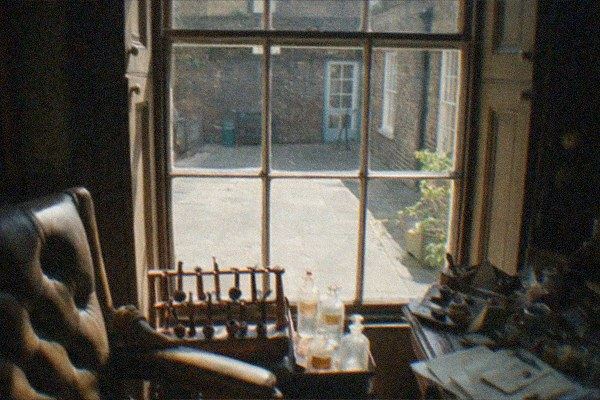
Baker Street · Victorian detective's study and artefacts.
Re-creation of 221B Baker Street with Holmes memorabilia.
from $27.09per person, live price on the listing Check availability →