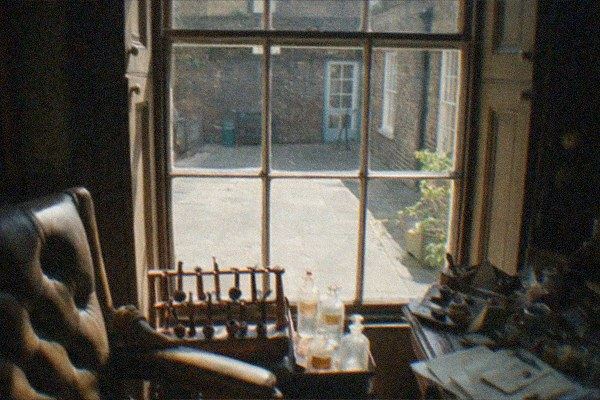
Sherlock Holmes Museum
Baker Street · Victorian detective's study and artefacts.
Re-creation of 221B Baker Street with Holmes memorabilia.
from $27.09per person, live price on the listing Check availability →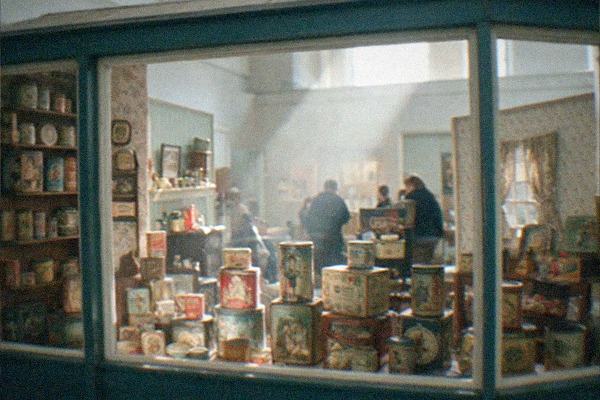
Time Tunnel of branded products
from $18.97 per person, live price on the listing
Check Price & Availability →Opens the official listing with live dates and prices. Book there; nothing is charged on this site.
The Museum of Brands in Notting Hill traces a century and more of British consumer culture through the packaging, tins, posters and adverts of everyday products. It suits design lovers, nostalgia hunters and families with curious children more than visitors expecting blockbuster artefacts.
The museum's centrepiece is the Time Tunnel, a walk-through sequence of branded products arranged decade by decade, showing how packaging, slogans and household goods changed from the Victorian era to the present. Around it sit temporary exhibitions on advertising and design, plus a small café and garden space. Expect tin boxes, soap wrappers, cereal packets and poster art rather than fine art.
The Time Tunnel is the reason most people book. It works like a timeline you walk through physically: household products, sweets, cosmetics and grocery packaging grouped by era, so the shifts in graphic design and language happen in front of you rather than on a label. Visitors who grew up in Britain tend to spend longest around the 1960s to 1980s cases, where brands they remember sit next to ones that vanished decades ago. People from elsewhere find it useful for a different reason, as a compressed lesson in how British domestic life looked and sounded.
Alongside the permanent display, the museum runs a programme of temporary exhibitions on themes such as advertising campaigns, packaging design and the psychology of shopping. These change regularly, so the museum is more repeatable than its size suggests. That matters practically: the standard adult ticket includes a year of unlimited revisits from 2026, which takes the sting out of a second trip if a new exhibition opens.
The collection belongs to a tradition of consumer heritage rather than conventional art. If what you want is paintings or sculpture, this is the wrong museum and you should look elsewhere in the directory instead. If what you enjoy is social history told through objects people actually threw away, it is hard to beat. The overall scale is modest, so visitors with limited mobility or small children can manage it comfortably, and the building itself, a converted mews warehouse in Colville Mews, fits the subject: industrial, compact and a little bit retro.
Standard adult admission is £14 for ages 26 to 59, bought either at the door or online, and this is the museum's own price rather than a Gift Aid figure. Children aged 7 to 16 pay £8, and under-7s enter free with an eligible adult. A Gift Aid donation option exists at the museum's discretion. Check the current price on the museum's own site before you travel.
The ticket structure is straightforward. The adult price includes a year of unlimited revisits from 2026, which effectively turns a single visit into an annual pass for anyone living in or near London. For tourists on a short trip this matters less, but it explains why the price sits where it does. The optional Gift Aid donation lets UK taxpayers add a small amount that the charity can reclaim, which is standard practice for independent museums of this size and costs you pennies while helping them substantially.
If you are comparing prices across sites, be careful with dollar figures. A third-party listing shows entry from $18.97 USD per person, rated 4.8 across 63 reviews, but platform prices fluctuate with exchange rates and fees and are never the same thing as the £14 door price. As a rule, booking directly is the cheapest and clearest route, and you can check the current price on the museum's own site. Third-party listings are fine if you want bundled cancellation terms, but read what is actually included before paying a premium.
To skip any uncertainty at the desk, it makes sense to secure your slot in advance through the booking panel on this page, which shows live availability for your chosen date. Walk-up entry remains an option when the museum is quiet. Concession categories beyond the child rate, and any family combination tickets, are listed on the official Museum of Brands site, so consult that if your group does not fit the categories below.
| Ticket Type | Price | Notes |
|---|---|---|
| Adult (26 to 59) | £14 | Museum's own price; includes 1-year unlimited revisits from 2026; optional Gift Aid donation; walk-up or online |
| Child (7 to 16) | £8 | Standard child rate |
| Child under 7 | Free | With an eligible adult |
| Third-party listing | From $18.97 USD | Platform from-price; rated 4.8 across 63 reviews; not the same as the door price |
| Concessions | On the museum's site | Check current categories and prices direct |
Allow around 90 minutes to two hours for a full visit at reading pace, or roughly an hour if you skim the Time Tunnel and skip temporary exhibitions. Weekday mornings are the quietest window. School holidays bring family crowds, so visit early or late in the day during those weeks for the calmest experience.
The museum is compact, but the Time Tunnel rewards slow looking. Because the displays are dense with small objects, it is the kind of gallery where two people can spend twenty minutes on a single glass case, pointing out brands they recognise, then move quickly through the next. Visitors who want to photograph the displays should factor in extra time too, since the lighting is atmospheric and cases reflect if you rush.
Timing within the day matters more than timing within the week here. Because the building sits in a mews off the Portobello Road orbit, Saturday brings the Portobello market crowd spilling through Notting Hill, and the surrounding streets get packed by late morning. A weekday visit pairs far better with the neighbourhood. If Saturday is your only option, aim for opening time and expect the streets, not the museum, to be the bottleneck.
Exact opening hours and closed days change seasonally, and this guide does not guess at them, so confirm the current schedule on the museum's own site before setting out. That is the single most practical thing to check, along with whether a temporary exhibition you care about is still running. One structural point in the museum's favour: the revisit policy on the adult ticket means an exhibition you miss on trip one can be caught on trip two within the same year from 2026, at no extra cost.
The museum sits at Colville Mews in Notting Hill, coordinates 51.51625, -0.21117, a short walk from the area's transport links and the Portobello Road. It is a small converted mews building, which affects everything from queueing to bag storage. Confirm hours and any access details on the official site before you travel.
Getting there is the easy part. Notting Hill is well served by the Underground, and the museum's mews location means the final approach is on foot through residential streets rather than a main road. If you are coming for Portobello market as well, sequence the two deliberately: market first or museum first works equally well, but doing the museum at peak market time means fighting the crowd twice. Bus routes along Notting Hill Gate and Ladbroke Grove cover the area, and cycling is realistic given the quiet mews setting.
The building type shapes the visit. A mews warehouse conversion means low ceilings in places, compact gallery rooms and a modest entrance, so large suitcases are a bad idea. Specific locker or cloakroom facilities are detailed on the museum's site if you need certainty. Accessibility information, including step-free status, should likewise be confirmed direct before you visit, since converted mews buildings vary and this guide will not state what it has not verified.
Families get on well here. Under-7s enter free with an eligible adult, and children aged 7 to 16 pay £8, so a family visit is priced gently compared with London's major institutions. The object-led displays give children something concrete to hunt for, and the museum runs family activity resources around exhibitions. For a different Notting Hill-adjacent day out with older children, our guide to the Sherlock Holmes Museum covers another small, characterful London institution with its own quirks.
| Detail | Answer |
|---|---|
| Neighbourhood | Notting Hill, Colville Mews |
| Coordinates | 51.51625, -0.21117 |
| Nearest station | On the museum's site |
| Opening hours | On the museum's site |
| Time to allow | 90 minutes to 2 hours |
| Adult ticket | £14, includes 1-year revisits from 2026 |
| Under 7s | Free with eligible adult |
| Official site | museumofbrands.com |
The museum's hallmark is the Time Tunnel, a chronological walk through branded products from the Victorian era to today, and it is what almost every review, blog post and recommendation of this museum leads with. Packaging, advertising and consumer design are its whole subject, treated seriously as social history rather than as a nostalgia gimmick.
There is a genuine intellectual case underneath the fun. Packaging and advertising are among the most democratic historical records available: everyone bought soap, ate branded cereal and recognised a jingle, so these objects reconstruct ordinary life more vividly than inventories of the rich ever could. The museum presents this material with the care of a design archive, which is why it attracts students of graphic design and marketing alongside tourists chasing childhood memories.
The Time Tunnel's effect on visitors is remarkably consistent. People arrive expecting a quick novelty and leave having had a conversation about when their household switched brands, or which discontinued sweet they would bring back. It is one of the few London museums where intergenerational groups all find something to argue about, since a 1970s shelf speaks differently to someone who was thirty then and someone who was three.
A fair caveat: the museum is small and single-themed. If your London itinerary leans toward grand institutions, treat this as a half-hour-to-two-hour niche stop combined with Notting Hill itself, not a full day. The revisit policy sweetens it for locals. For visitors deciding between quirky small museums, the Sherlock Holmes Museum guide on this site offers a comparable case study: characterful, compact and divisive, loved intensely by its audience.
The museum sits in Notting Hill, so the natural pairing is Portobello Road Market, roughly minutes away on foot, plus the residential garden squares and vintage shops that surround the mews. Allow a half-day for the museum plus the neighbourhood, longer on a Saturday when the market is at full size.
Portobello Road is the obvious companion and genuinely works. The market's antiques and collectables sit thematically close to the museum's subject: both are about objects with stories, and a visitor who enjoyed the Time Tunnel will enjoy browsing stallholders' own layered inventory of the recent past. Go on a weekday if you want to browse calmly; Saturday is the famous version but the shoulder-to-shoulder crowd drains the pleasure out of it for many people.
Notting Hill beyond the market rewards slower exploration. Colville Mews itself is one of several pretty mews clusters in the area, the pastel terraces of the streets around Ladbroke Grove are among the most photographed in London, and the garden squares provide the quiet contrast. Food options along Westbourne Grove and Portobello Road cover everything from market stalls to proper restaurants, so there is no need to plan lunch around the museum's own café.
If you want to build a full small-museum day, the pairing logic is simple: this museum in the morning, Portobello at midday, then a Tube ride to another niche institution for the afternoon. The Sherlock Holmes Museum page on this directory covers one such option with full ticket detail. Alternatively, Holland Park, with its Kyoto Garden, sits within walking distance westward and makes a calm end to the route for visitors who prefer green space to more shopping.
Practical sequencing note: because the museum is compact and the neighbourhood is the attraction, do not over-schedule. A realistic rhythm is museum first while energy is high, coffee somewhere on Portobello, then market browsing with whatever time remains. Confirm current opening hours on the official site so your museum slot anchors the rest of the day.
Standard adult admission is £14 for visitors aged 26 to 59, bought at the door or online, and this is the museum's own price rather than a Gift Aid figure. Children aged 7 to 16 pay £8, and under-7s enter free with an eligible adult. An optional Gift Aid donation is available. Check the current price on the museum's own site before travelling.
It includes unlimited revisits for a year from 2026, which effectively makes it an annual pass for anyone who can return. For a single visit, it buys roughly 90 minutes to two hours of display in a compact building. Londoners likely get the better end of the deal; tourists should weigh it against their itinerary.
Yes. Tickets can be bought online or as walk-up entry, per the museum's own pricing terms. Booking ahead secures your slot on busy days, and you can check the current price on the museum's own site. Third-party listings also sell entry from around $18.97 USD, but platform prices are not the same as the £14 door price.
It is the museum's hallmark: a walk-through sequence of branded products and packaging arranged decade by decade from the Victorian era to the present. Most visits centre on it, and it is what the museum is known for. Expect tins, soap wrappers, posters and household goods rather than conventional museum artefacts.
Roughly 90 minutes to two hours at reading pace, or about an hour if you move quickly. The Time Tunnel is dense with small objects, so slow visitors spend longer than the building's size suggests. Weekday mornings are the quietest time, and Saturdays bring the Portobello market crowds to the surrounding streets.
It is in Notting Hill at Colville Mews, coordinates 51.51625, -0.21117, with the final approach on foot through residential streets. The area is well served by the Underground and buses. Details of the nearest station are on the museum's site, along with current opening hours and closed days.
Yes, and it is priced for families. Children aged 7 to 16 pay £8 and under-7s enter free with an eligible adult. The object-led displays give children something concrete to spot, and the compact mews building keeps distances short. School holidays bring more family visitors, so go early in the day then.
Portobello Road Market is the natural pairing, within easy walking distance, along with Notting Hill's mews streets, garden squares and the shops of Westbourne Grove. Holland Park and its Kyoto Garden sit within walking distance westward. A realistic plan is the museum first, then the neighbourhood, rather than over-scheduling.
Baker Street · Victorian detective's study and artefacts.
Re-creation of 221B Baker Street with Holmes memorabilia.
from $27.09per person, live price on the listing Check availability →
Southwark, St Thomas' Street · Original operating theatre with surgical instruments
Historic 19th-century operating theatre and herb garret.
Official tickets →