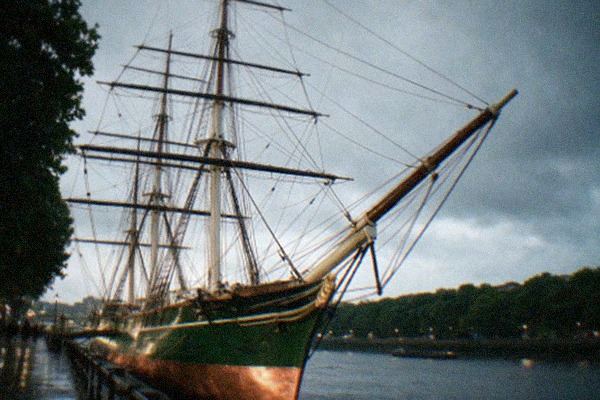
Cutty Sark
Greenwich, King William Walk · The ship itself with restored hull
Historic tea clipper ship preserved as a museum.
from $29.80per person, live price on the listing Check availability →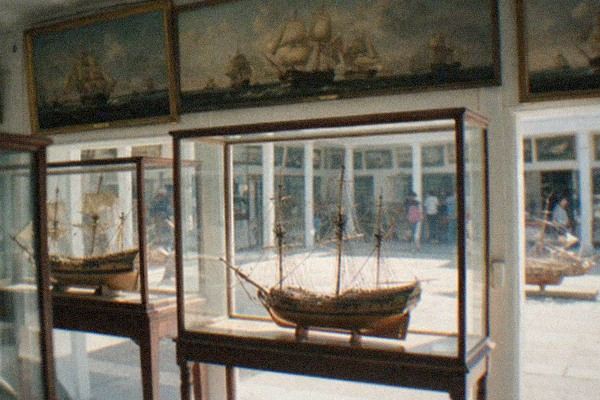
Free entry, no ticket needed.
Ship models and maritime art
Plan your visit →Opens the museum's own visitor page. There is nothing to book: the permanent collection is free.
The National Maritime Museum in Greenwich covers Britain's seafaring history, from ships and exploration to navigation and trade. It suits families, history fans and anyone already in Greenwich for the Cutty Sark or the Royal Observatory. Entry is free for everyone, year round, with no ticket needed.
The National Maritime Museum is Britain's national museum of the sea, covering seafaring history, ships and navigation across four centuries of naval power, exploration and trade. It sits in Greenwich on Romney Road, at the heart of the Maritime Greenwich UNESCO area, and it charges nothing for entry at any time of year.
The museum is part of Royal Museums Greenwich, the family of attractions that also includes the Cutty Sark, the Royal Observatory and the Queen's House, all within a few minutes' walk of one another. The building itself is a striking neoclassical structure, begun in the early nineteenth century and extended over time, arranged around a colonnaded quadrangle. The scale surprises first-time visitors: the galleries fill two main floors, and the collections behind them run to millions of objects, from ship plans and charts to uniforms and photographic archives.
Thematically, the museum tells the story of Britain's relationship with the sea. That means the growth of the Royal Navy, the age of exploration, the merchant fleets, the slave trade and its abolition, polar exploration, and the everyday lives of sailors. Permanent galleries include the Atlantic Worlds gallery, which examines trade, empire and enslavement across the Atlantic Ocean, the Polar Worlds gallery, and the Sea Things and maritime London displays. There is also a gallery devoted to the East India Company and another to naval battles and British naval power since the eighteenth century. For a museum that costs nothing to enter, the range is unusually broad.
The audience is wide. Families with children will find hands-on galleries and open spaces, including the AHOY! children's gallery aimed at younger visitors (a ticketed add-on, for which you should check the current price on the museum's own site). Adults with a serious interest in naval history could spend a full day. Visitors with only a passing interest will still find the ship models and the art compelling enough to justify an hour or two. What the museum does not offer is a theme-park experience: this is a collection-led institution, and the pleasure comes from the objects and their stories rather than from rides or screens.
The museum is best known for its ship models and its maritime art, and these are where most visitors should start. Beyond them lie galleries on polar exploration, the Atlantic world, Nelson, and the technology of navigation, including historic instruments, charts and uniforms.
The ship models are the hallmark. The collection includes fine, detailed builders' models and admiralty models spanning centuries of British shipbuilding, from sailing warships to steam vessels, displayed so you can study the hull forms, rigging and fittings close up. Model-making of this kind was both a working tool of the dockyards and a craft in its own right, and the museum's holdings are among the most significant anywhere. If you see one thing here, make it these.
The maritime art is the other signature strength. The museum holds one of the largest collections of maritime paintings in the world, including works by Reynolds, Turner and the van de Veldes, the Dutch father-and-son painters who worked in England and helped found British marine painting. The art collection hangs alongside naval portraits and battle scenes that put faces to the history told in the neighbouring galleries. Turner's largest known canvas, The Battle of Trafalgar, has long been associated with the collection, and the galleries make a point of showing naval art at full scale rather than cramming it into corridors.
Nelson gets a gallery of his own, built around objects connected to his life and death, including personal items and memorabilia. The polar galleries tell the story of Arctic and Antarctic exploration, from the search for the Northwest Passage to the Scott and Shackleton era. Elsewhere you will find navigational instruments: sextants, chronometers, astrolabes and telescopes, the tools that made long-distance seafaring possible. The Atlantic Worlds gallery is the museum's most serious historical space, addressing the transatlantic slave trade honestly and at length. Allow time for it; it is not a gallery to rush.
A sensible route is to start with the models and art on the ground floor, then work up through the historical galleries, ending with polar exploration. Families with small children may reverse that order and finish at the children's gallery instead.
Entry to the National Maritime Museum is free to all, year round, and you do not need a ticket to walk in. What still costs money are some temporary exhibitions and paid events, plus the AHOY! children's gallery. There is no booking fee, no time slot and nothing to purchase in advance for general admission.
This is one of the great free museums of London, funded as a national institution, and the free entry is genuine rather than a hook. You arrive, you walk in, you look around. Some special exhibitions carry an admission charge, and those are the only parts of the museum where money changes hands for the collection itself. When a paid exhibition is running, the museum's own site lists the prices, and booking online in advance is often the sensible route for those because popular shows can fill up at weekends.
Children enter free. Under-18s are admitted without charge, though the museum may advise advance booking for certain children's activities and for the AHOY! gallery during busy periods. If you are bringing a school-age group or planning a birthday visit, check the current price and availability of any add-on activities on the museum's own site rather than relying on third-party summaries.
It is worth being clear about the wider Greenwich picture, because the free entry applies to this museum only. The Cutty Sark, the Royal Observatory and the Queen's House have their own admission arrangements, and some of Royal Museums Greenwich's combined offers involve paying attractions. Our page on Cutty Sark tickets covers that separately. Nothing in this building requires a purchase, but a day out across all four Greenwich attractions usually will involve some spend somewhere.
| Ticket or entry type | Price | Notes |
|---|---|---|
| General admission, adults | Free | No ticket needed, year round |
| Children and under-18s | Free | Advance booking may be advised for some activities |
| Temporary exhibitions | Paid, varies | Check the current price on the museum's own site |
| AHOY! children's gallery | Paid | Check the current price on the museum's own site |
| Events and talks | Varies | Some free, some paid; listed on the museum's site |
Allow two to three hours for a satisfying visit, or half a day if you want the temporary exhibitions too. There is no bad season, because this is an indoor museum open year round, but weekday mornings are the quietest and weekend afternoons the busiest, especially during school holidays.
Two hours is enough for the models, the art and one or two galleries in between. Three hours lets you take in the Atlantic Worlds and polar galleries properly, and to read rather than skim. Anything beyond that is for the committed: naval history enthusiasts, people drawing or photographing the models, or visitors using the museum as a rainy-day anchor for a longer Greenwich stay. Because entry costs nothing, there is no pressure to extract value from a ticket. You can come for forty minutes, see the ship models, and leave without a shred of regret.
Timing matters less here than at the paid Greenwich attractions. The Cutty Sark and the Royal Observatory sell tickets and can build queues in peak periods, while this museum simply absorbs the crowds. That said, the museum is genuinely busy during the summer holidays and on wet weekends, when families from across southeast London use it as an escape from the rain. If you want the galleries to yourself, aim for a weekday morning in term time. Mid-afternoon on a rainy Saturday is the opposite experience.
| At a glance | Detail |
|---|---|
| Opening hours | On the museum's site |
| Closed days | On the museum's site |
| Time to allow | 2 to 3 hours for the permanent galleries |
| Nearest stations | Cutty Sark DLR; Greenwich rail and DLR, short walk |
| Address | Romney Road, Greenwich |
| Entry | Free, no ticket needed |
| What is included | All permanent galleries; paid exhibitions and events excluded |
Because Greenwich rewards a full day, most visitors pair this museum with one or two neighbours in a single trip. Arrive mid-morning, do the Maritime Museum first while legs are fresh, have lunch in Greenwich, then walk to the Cutty Sark or climb the hill to the Observatory in the afternoon. The reverse order works too, and the free entry means you can slot the museum into whatever gaps your day leaves.
The museum sits on Romney Road in Greenwich, best reached by DLR to Cutty Sark station, a few minutes' walk away, or by mainline rail and DLR to Greenwich station. It is step-free throughout the main galleries, and entry remains free, so you can arrive without any ticket or pre-planning at all.
Cutty Sark DLR station is the closest stop, a short walk along the waterfront. Greenwich station, served by Southeastern trains and the DLR, is a little further, roughly ten minutes on foot, but serves a wider area. If you are coming from central London, the DLR from Bank or Tower Gateway is the most straightforward route and has the advantage of a river-adjacent arrival that puts you straight into Maritime Greenwich. Boats also call at Greenwich Pier, a pleasant way to arrive in good weather, and buses serve the area well. Driving is the weakest option: parking in Greenwich is limited and the area is busy at weekends.
The building is largely step-free, with lifts to the upper floors and level access from Romney Road. Wheelchairs can be borrowed, and assistance dogs are welcome. For specific accessibility provisions, such as accessible toilets and quiet arrangements, the details are published on the official site at rmg.co.uk, and that is the right place to confirm anything before a long journey.
On bags and security: larger suitcases and rucksacks may be subject to the usual central London museum restrictions, but rather than quote rules that change, check the museum's own site for current bag policy. What is safe to say is that this is a relaxed, family-friendly building, and there is a cafe and a shop on site. There is nothing to collect at a desk because there is no ticket, which makes arrival faster than at the paid attractions nearby. Wheel through the door, head for the models, and the visit begins.
The museum sits inside Maritime Greenwich, so the best pairings are all on foot: the Cutty Sark across the road, the Queen's House next door, and the Royal Observatory up the hill in Greenwich Park. Allow a full day if you want more than one of them, and expect the neighbours to charge while this museum does not.
The Cutty Sark is the most natural pairing. The world's last surviving tea clipper stands directly opposite the museum on Romney Road, and the two tell complementary stories: the museum holds the models and the art, the ship is the real thing. Our Cutty Sark tickets page covers pricing and planning for that visit. The Queen's House, with its art collection and the famous Tulip Stairs, is the other immediate neighbour and belongs to the same family of Royal Museums Greenwich attractions.
Uphill through Greenwich Park is the Royal Observatory, home of the Prime Meridian and the story of longitude, which connects directly to the navigation instruments displayed in the Maritime Museum. The climb takes about ten minutes and rewards you with one of the best views over London. Greenwich town itself, with its market, the Painted Hall and the Old Royal Naval College, fills out a day easily, and the foot tunnel under the Thames to the Isle of Dogs is a quirky extra for anyone with energy left.
For visitors thinking about London's other transport-focused museums, the London Transport Museum in Covent Garden makes an interesting comparison, covering the city's land transport rather than its seafaring, and it is well covered in its own guide on this site. Within Greenwich, though, the free admission of the Maritime Museum makes it the natural anchor of the day: begin here, spend nothing, and put your budget towards the clipper or the Observatory instead.
Yes. Entry is free to all, year round, and no ticket is needed. Some temporary exhibitions, events and the children's gallery still carry a charge, so check the current price on the museum's own site before those add-ons.
No booking is needed for general admission. You walk in without a ticket. Advance booking may be advised for some children's activities and for paid special exhibitions, which is where a reservation is genuinely useful.
Two to three hours covers the permanent galleries well, including the ship models, the art and the main historical displays. Add extra time for any paid temporary exhibitions or a slower, family-paced visit.
Yes. Under-18s and children enter free of charge. Some activities and the AHOY! children's gallery are paid separately, and advance booking may be advised for those during busy periods such as school holidays.
It is known for its ship models and its maritime art. The model collection spans centuries of British shipbuilding, and the art collection is one of the largest of its kind, including works by Turner and the van de Veldes.
Cutty Sark DLR station is closest, a few minutes' walk along the waterfront. Greenwich station, served by rail and the DLR, is roughly ten minutes on foot. Greenwich Pier is also nearby for arriving by boat.
It is on Romney Road in Greenwich, within the Maritime Greenwich area. The Cutty Sark stands almost opposite, the Queen's House is next door, and the Royal Observatory is a short climb uphill through Greenwich Park.
Greenwich, King William Walk · The ship itself with restored hull
Historic tea clipper ship preserved as a museum.
from $29.80per person, live price on the listing Check availability →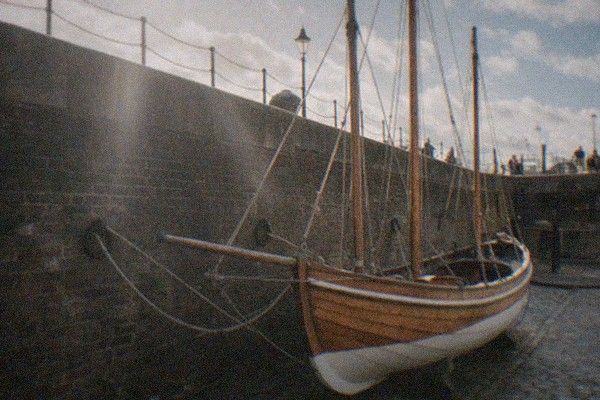
Southwark, Bankside · The ship replica itself
Full-size replica of Sir Francis Drake's galleon.
Official tickets →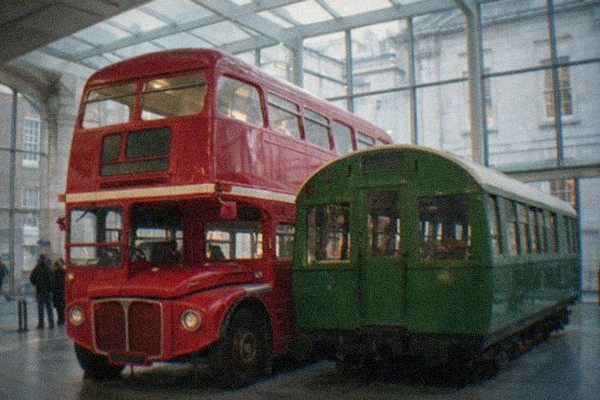
Covent Garden, Covent Garden Piazza · Vintage buses and Underground trains
History of London's public transport with historic vehicles and interactive exhibits.
Check latest prices Check availability →