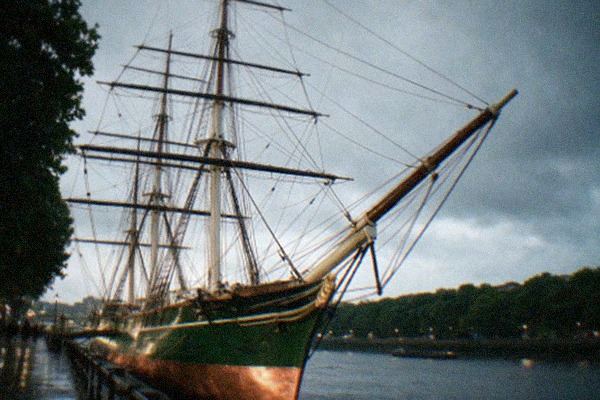
Cutty Sark
Greenwich, King William Walk · The ship itself with restored hull
Historic tea clipper ship preserved as a museum.
from $29.80per person, live price on the listing Check availability →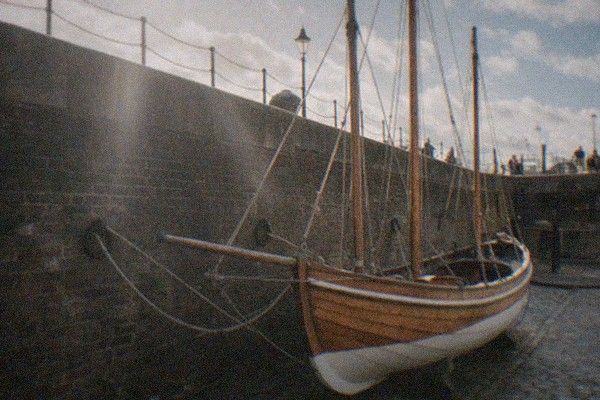
The ship replica itself
Current admission is on the museum's own ticket page.
Official tickets →Opens the museum's own website. Book on the official site; nothing is charged on this page.
The Golden Hinde is a full-size, working replica of Sir Francis Drake's sixteenth-century galleon, moored in Bankside near Southwark Cathedral. It suits families, maritime enthusiasts and anyone wanting a short, atmospheric visit rather than a full-scale museum day.
The centrepiece is the ship itself: a full-size replica of Sir Francis Drake's galleon, built to scale and open for you to walk aboard, exploring the decks, the hold and the officers' quarters as Drake's crew would have known them. Most visits are self-guided, with the vessel moored in St Mary Overie Dock in Bankside, Southwark.
The original Golden Hinde carried Drake around the world between 1577 and 1580, the first English ship to complete a circumnavigation of the globe. The replica you visit today was itself built to travel: it launched in 1973 and sailed tens of thousands of miles, including a repeat of Drake's circumnavigation, before settling into its role as a static museum ship on the South Bank. That pedigree matters. This is not a fibreglass prop or a half-scale theme-park approximation, it is a hull that has genuinely been to sea, and the wear and weathering of the timbers reflect that history.
What you see inside follows the architecture of a real galleon rather than a gallery plan. Visitors move through the gun deck, where the ship's armament is laid out, down into the hold where cargo and provisions were stowed on long voyages, and up to the half deck and the captain's cabin. Interpretation panels and period furnishings give context to each space, and the contrast between the cramped quarters allotted to ordinary sailors and the relative comfort of the officers is one of the most vivid lessons on Tudor naval life the ship offers. Low beams, steep ladder-style stairways and the smell of tar and timber do more explanation than any display case could.
The scale is deliberately human. This is a ship you experience with your body as much as your eyes: ducking through hatchways, gripping ropes, and feeling how little space sixty-odd men would have shared for months at a time. Families with children tend to find this physicality the strongest attraction, and costumed education sessions and pirate-themed events run during school holidays, so check the museum's own visit page for what is scheduled on the day you plan to go.
Visitors expecting a conventional museum with glass cases and climate control should adjust expectations. Everything here is the ship, and the ship is the exhibit. If your interest is more general London history, you may prefer to pair the Golden Hinde with a larger institution such as the London Transport Museum and treat this as a short, distinctive stop on a Bankside walk.
Standard adult admission is £6, either booked online (a booking fee applies to online bookings) or paid on the door. Children aged 3 to 16 also pay £6, and children under 3 enter free. The standard ticket is self-guided general admission to the ship; check the current price and any concession options on the museum's own site before you visit.
Because the Golden Hinde sells its own tickets directly and no third-party reseller is involved, there is nothing to be gained from shopping around: the museum's own booking page is the only place you need. Booking online guarantees your slot on busy days, particularly during school holidays when the pirate events and costumed sessions draw family crowds, but the door remains an option if you are passing on a quieter day. The online booking fee is the only difference in cost between the two routes.
What the standard ticket covers is a self-guided exploration of the ship at your own pace. Guided tours, education workshops and special events are separate products with their own pricing, and those figures are not published in a form we can verify, so check the current price on the museum's own site for anything beyond general admission. If you specifically want a guided experience rather than wandering the decks alone, confirm what is running on your chosen date before you set out.
The pricing structure is unusually simple by London standards: one flat rate for adults and children alike, with only the under-3s free. There is no Gift Aid uplift to be aware of, and no complicated tiering by time slot. Families should note that a household with two adults and two children aged 3 or over will pay £24 in total, which compares well against most London attractions.
| Ticket Type | Price | What It Covers |
|---|---|---|
| Standard adult (self-guided) | £6 (online booking fee applies, or on the door) | General admission to the ship, exploring at your own pace |
| Child, ages 3 to 16 | £6 | General admission to the ship |
| Child, under 3 | Free | General admission to the ship |
| Concessions (students, seniors) | on the museum's site | Check availability and current price |
| Guided tours and events | on the museum's site | Separate from standard admission; confirm pricing directly |
To buy, go to goldenhinde.co.uk/visit, the museum's official page. Book there or pay at the ship. Any other route adds nothing.
Allow around 45 minutes to an hour for a self-guided look around the ship, or up to 90 minutes if you visit with children who want to linger on each deck, take part in a holiday activity, or ask a lot of questions of the costumed crew. Opening hours vary by season and day, so check the current times on the museum's own site before travelling.
The visit length is honest about what the ship is: a single vessel with a handful of deck levels to explore. Adults travelling light can see everything in half an hour, but the experience rewards a slower pace, particularly if you take time on the gun deck and in the hold where the interpretation is densest. If you are planning a full day out in Bankside, budget the Golden Hinde as a morning or afternoon anchor and build the rest of your itinerary around it rather than expecting it to fill the day alone.
Timing matters mostly in two ways. First, school holidays bring pirate-themed events and costured characters, which is a genuine draw for families with children aged roughly 3 to 10, but it also means more people on narrow decks, so arrive early in the day if you want quieter exploring. Second, weekdays in term time are the calmest option and best suited to adults who want to read the interpretation without squeezing past birthday parties. Weather is less of a factor than you might expect because much of the visit is under the deck structures, but rain does make the open decks slippery, so sensible shoes matter more than an umbrella.
Seasonal opening patterns and event schedules change through the year, and we cannot verify specific daily hours, so treat the official visit page as the single source of truth for the day and time you intend to come. The ship's location on the South Bank means it pairs naturally with a riverside walk toward Tower Bridge or a loop through Borough Market, so even a short visit slots easily into a longer route.
| At A Glance | Details |
|---|---|
| Location | Bankside, Southwark, London (St Mary Overie Dock) |
| Nearest stations | on the museum's site (Bankside and London Bridge are both within easy walking distance of Bankside) |
| How long to allow | 45 to 90 minutes |
| What is included | Self-guided general admission to all open decks and the hold |
| Opening hours | on the museum's site |
| Closed days | on the museum's site |
| Best for | Families with children, maritime and Tudor history enthusiasts, short visits |
Anyone comparing maritime attractions should also look at the Cutty Sark in Greenwich, which offers a much larger, tea-clipper experience, effectively the nineteenth-century sequel to the Tudor story told here.
The Golden Hinde sits in St Mary Overie Dock on Cathedral Street in Bankside, a few minutes' walk from the river and Southwark Cathedral. It is reachable on foot from the South Bank in under ten minutes, and London Bridge and Bankside stations serve the area. Because it is a real sailing ship, access involves ladders, low beams and confined spaces, so check accessibility details with the museum directly before you visit.
Getting there is straightforward by any central London measure. The ship is moored just off the south bank of the Thames, close to Southwark Cathedral and Borough Market, which makes it one of the easiest small attractions in London to fold into a walking day. The South Bank route from the Tate Modern or Shakespeare's Globe passes almost directly past the dock, so many visitors arrive on foot without ever needing the Underground. London Bridge station is the largest rail hub in the immediate area, and the surrounding streets are flat and well paved, so the approach itself poses no problems.
Onboard access is the real consideration. A sixteenth-century galleon replica, however faithfully built, was not designed with step-free routes in mind: moving between decks involves steep stairways closer to ladders than stairs, and doorways and beams sit low throughout. Visitors with limited mobility may be able to see the main deck while finding lower decks off-limits, and anyone with concerns should contact the museum ahead of visiting to ask what is possible on the day. We cannot verify the ship's current provision for wheelchair users or the availability of any ground-level interpretation, so treat the museum's own access information as definitive.
Practicalities are ship-shape rather than building-shape. There is no cloakroom on a vessel of this size, so travel light and expect to keep bags with you in confined spaces; a large rucksack will be a genuine nuisance on the gun deck. Sensible, flat shoes are strongly advisable, and small children need close supervision near open hatchways and ropes. Photography is generally welcome for personal use, but confirm any restrictions with crew if you are bringing professional equipment. For the full detail on tickets, timings and access, the museum's official page at goldenhinde.co.uk/visit is the reference to use.
Southwark Cathedral stands metres away, Borough Market is around the corner, and Shakespeare's Globe and the Tate Modern are within a short riverside walk, so the Golden Hinde works best as the historical anchor of a half-day Bankside itinerary. Everything worth pairing it with sits within 15 minutes on foot, and no additional transport is needed.
Southwark Cathedral is the nearest landmark, literally next to the dock. It is the oldest Gothic church in London and shares the Golden Hinde's connection to the district's deep history: the dock where the ship is moored, St Mary Overie Dock, takes its name from the priory that became the cathedral. Visiting the two together gives you Tudor maritime life and medieval ecclesiastical architecture inside an hour's walk, and the cathedral's own history of worship and trade frames the river economy Drake's ship belonged to.
From there, Borough Market sits a few minutes west, the best refreshment stop in the area by common consent and a natural lunch break between the ship and anything else you plan. Heading east along the river brings you to Shakespeare's Globe, a reconstruction of the playhouse of Drake's near-contemporaries, and the Tate Modern beyond it, both within ten to fifteen minutes' walk along the Thames path. The Golden Hinde, the Globe and the cathedral together make a coherent Elizabethan London circuit that can comfortably fill a morning.
Families extending the day have two strong options slightly further afield. The Cutty Sark in Greenwich makes an obvious follow-on: a short train or boat ride downriver, it tells the next chapter of Britain's maritime story aboard a Victorian tea clipper, and children who have enjoyed clambering on a Tudor galleon will take to its interactive displays just as readily. Alternatively, the London Transport Museum in Covent Garden suits a different mood, with its historic vehicles and hands-on galleries, and it is a short bus or Tube ride from Bankside. Either pairing turns a one-hour ship visit into a full and varied day out without stretching the budget much beyond the Golden Hinde's flat £6 admission.
The Golden Hinde suits families with children aged 3 to 10, maritime and Tudor history enthusiasts, and visitors who want a short, atmospheric, physically engaging stop on a Bankside walk. It suits visitors seeking a large conventional museum, a long visit, or full step-free access less well, and it should be planned as a compact hour rather than a destination day.
Families are the core audience, and the pricing reflects that. With adults and children aged 3 to 16 all paying the same £6 flat rate and under-3s free, a family visit is inexpensive by London standards, and the ship's hands-on character, ropes, cannons and cramped bunks, holds children's attention in a way that glass-cased galleries rarely manage. The holiday programme of costumed characters and pirate-themed sessions is aimed squarely at this audience, so if you are visiting with children, timing your trip to a school holiday adds real value.
Adult visitors divide cleanly into two groups. If you have a genuine interest in Drake, the Elizabethan navy, or the age of sail, an hour aboard a circumnavigated replica is quietly rich, and the ship's own seagoing history since 1973 gives it an authenticity a purpose-built static exhibit would lack. If your interest in London history is general rather than maritime, the visit may feel brief for the effort of reaching it, though its position beside the cathedral and Borough Market makes it easy to fold into plans you already have rather than requiring a dedicated trip.
Who should think twice? Visitors with limited mobility will find the lower decks genuinely inaccessible, as noted in the practical section above, and anyone expecting cafe facilities, a shop of any scale, or a gallery environment will find the offer austere. Very tall visitors should prepare for some stooping, and anyone prone to claustrophobia should treat the hold with caution. None of these are flaws, they are simply the nature of visiting a real ship, and priced at £6 with no reseller markup, the risk of disappointment is modest. Check hours and events on the museum's own site and go with the right expectations.
Standard adult admission is £6, either booked online, where a booking fee applies, or paid on the door. Children aged 3 to 16 also pay £6, and children under 3 enter free. The standard ticket covers self-guided general admission to the ship. Check the current price on the museum's own site before you visit.
No, advance booking is not essential. You can book online through the museum's own site, which carries a booking fee and guarantees your slot, or simply pay on the door. Booking ahead is mainly worthwhile during school holidays, when pirate events and costumed sessions draw family crowds to the ship.
Allow around 45 minutes to an hour for a self-guided exploration of the ship, or up to 90 minutes with children who want to linger on each deck or take part in holiday activities. It is best planned as a compact stop within a Bankside day, paired with Southwark Cathedral, Borough Market or the Globe nearby.
The ship in Bankside is a full-size replica of Sir Francis Drake's galleon, built in 1973. It is not the original Tudor vessel, but it is a seafaring ship in its own right, having sailed tens of thousands of miles including a repeat of Drake's circumnavigation, before becoming a static museum ship in Southwark.
The ship is moored in St Mary Overie Dock in Bankside, Southwark, beside Southwark Cathedral. It is within a short riverside walk of the Tate Modern and Shakespeare's Globe, and London Bridge is the largest nearby rail hub. Most visitors arrive on foot along the South Bank rather than by Tube.
Accessibility is limited by the ship's nature. Moving between decks involves steep ladder-style stairways, low beams and confined spaces, so visitors with limited mobility may find lower decks inaccessible. Contact the museum directly before visiting to ask what is possible on the day, as we cannot verify current provision.
We cannot verify concession pricing for students or seniors. The confirmed prices are £6 for standard adults and £6 for children aged 3 to 16, with under-3s free, and this is not a Gift Aid figure. Check the current price and any concession options on the museum's own site.
Southwark Cathedral is metres away, Borough Market is around the corner, and Shakespeare's Globe and the Tate Modern are a short riverside walk east. For another ship experience, the Cutty Sark in Greenwich is a short ride downriver, while the London Transport Museum in Covent Garden makes a varied family pairing.
Greenwich, King William Walk · The ship itself with restored hull
Historic tea clipper ship preserved as a museum.
from $29.80per person, live price on the listing Check availability →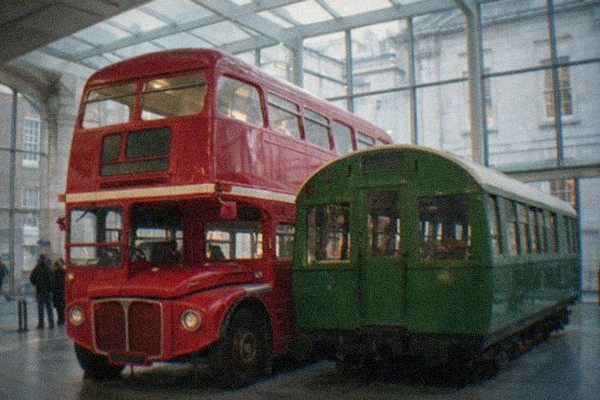
Covent Garden, Covent Garden Piazza · Vintage buses and Underground trains
History of London's public transport with historic vehicles and interactive exhibits.
Check latest prices Check availability →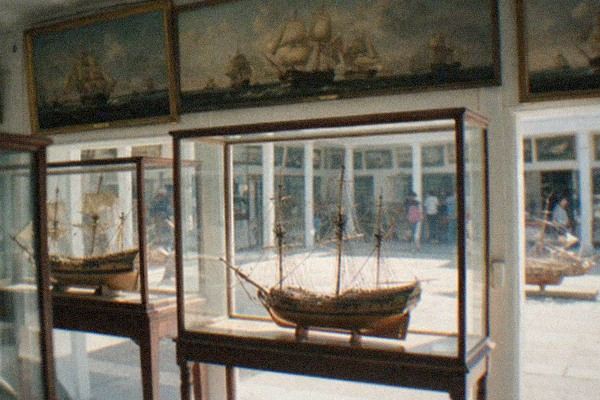
Greenwich, Romney Road · Ship models and maritime art
Britain's seafaring history, ships, and navigation.
Free entry, no ticket needed.