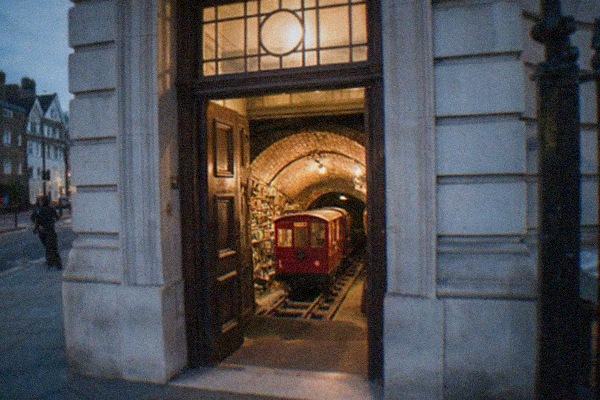
Postal Museum
Bloomsbury, Phoenix Place · Mail Rail underground ride
History of the postal service with Mail Rail ride.
from $27.77per person, live price on the listing Check availability →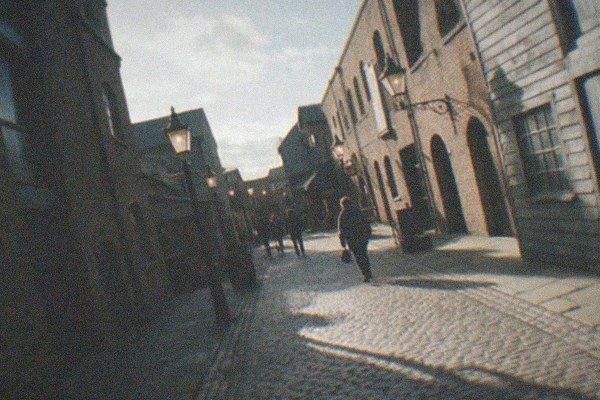
Free entry, no ticket needed.
Sailortown recreation and Thames finds
Plan your visit →Opens the museum's own visitor page. There is nothing to book: the permanent collection is free.
London Museum Docklands tells the story of the Thames, the port and the trade that built the city, all inside a listed Georgian warehouse at West India Quay. It suits anyone curious about London's working past, families included, and entry is free. Allow around two hours.
The museum holds London's port and trading history inside one of the oldest surviving warehouses in the Docklands, a rumbling brick building from the era when the West India Docks were the busiest trade hub on earth. Its two best-known draws are Sailortown, a recreated 19th-century riverside street you walk through, and the display of objects recovered from the Thames itself.
Sailortown is the part most visitors remember. It is a walk-through recreation of a riverside district around 1840, dimly lit and cobbled, with a pub, shops and lodging houses built to a semi-scale that feels genuinely close. The museum uses sound and low light deliberately, so it lands with children and adults in quite different ways. Younger ones tend to treat it as an adventure; adults read the signage and understand how miserable, crowded and dangerous these streets actually were for the people who lived there. It is the single strongest argument for making the trip out to Canary Wharf for this museum rather than another central one.
The Thames finds are the other hallmark. Silty river mud preserves objects remarkably well, and the museum displays a long timeline of material pulled from the foreshore: everything from everyday Tudor odds and ends to material from the port's commercial centuries. Where the British Museum presents London's antiquities among world civilisations, here the river is the whole story, and the objects are chosen for what they say about work, trade and life along the water.
Beyond those two anchors, the galleries run chronologically through the port's life. You move from the early river trade, through the building of the enclosed docks at the start of the 19th century, the height of the trade in sugar, rum, timber and ivory, the Blitz and the 1940s when the docks were a target, and finally the closure of the working port in the 1970s and 1980s followed by the redevelopment that produced the Canary Wharf you see outside the window. The warehouse itself, built to store sugar coming off ships in the West Indies trade, is an exhibit too: the architecture of hoists, tall doorways and thick timber floors explains as much as any label does.
One gallery deserves particular mention: the museum addresses the transatlantic slave trade directly, because the wealth stored in this very building was generated by it. That section is handled plainly and well, and it is the reason many schools bring groups here. Families should know the museum is genuinely child-friendly throughout, with hands-on elements and a dedicated play area for younger visitors.
Entry is free to everyone, all year round, and you do not need a ticket. You can simply arrive and walk in. The things that still cost money are some exhibitions and some events, and those are the only items where you would pay anything, so the museum's own site is the place to check what is running during your visit.
Because there is no paid gate, the practical question is not what a ticket costs but what a visit gets you. The permanent galleries, Sailortown included, are covered by free entry with no time slot and no booking requirement. That makes this one of the easiest major museums in London to visit spontaneously, and one of the few where a family of four spends nothing on the way through the door. Compare that with the Postal Museum, where the interactive rides and exhibitions sit behind paid admission, and the difference in posture is clear.
Children are free. The museum recommends advance booking for families, which is a recommendation rather than a requirement, and it exists to help the museum manage numbers, particularly during school holidays when the family areas get busy. If you turn up without booking you will still get in, but booking ahead costs nothing and removes any wait. For under-18s the position is simple: free, like everyone else.
Temporary exhibitions and special events are the paid layer, and pricing varies by programme. We do not quote figures for these because they change; check the current price on the museum's own site for whatever exhibition is running when you plan to go. If nothing temporary appeals, your entire visit costs nothing, and the permanent collection is substantial enough that plenty of visitors never spend a penny beyond lunch.
| Item | Cost | Notes |
|---|---|---|
| Adult entry | Free | No ticket needed, all year |
| Child entry (under-18s) | Free | Advance booking recommended |
| Permanent galleries and Sailortown | Free | Included in entry |
| Some exhibitions | Paid | Check the current price on the museum's own site |
| Some events | Paid | Check the current price on the museum's own site |
Allow roughly two hours for the permanent galleries, longer if you are visiting with children or if a temporary exhibition interests you. The building is walkable end to end in under an hour at a brisk pace, but the gallery sequence rewards slower reading, and Sailortown alone absorbs a good stretch of time for families.
The visit runs chronologically across the floors of the warehouse, so the order you experience things is the order the port's history happened. Most people start with the river trade galleries, work through the docks' Victorian peak, and reach the 20th-century decline near the end. If you have limited time, go straight to Sailortown first, since it is the hallmark and sits mid-sequence, then loop back to fill in the earlier galleries.
Timing matters more here than at central museums because of where the museum sits. Weekday mornings are quietest. Weekends bring local families, and school holidays fill the children's areas in the middle of the day, so an opening-hour arrival is the reliable play if you want the place calm. Canary Wharf itself is at its emptiest on weekends, oddly enough, so a Saturday visit pairs a busier museum with a strangely peaceful surrounding district.
Opening hours and closed days are worth confirming before travelling, since museums adjust them seasonally; the details are on the museum's official site. Do not assume a seven-day week. Build the visit around a morning or an early afternoon so you leave time to walk the quays afterwards, because the immediate setting, with tall masts of the historic docks and the towers behind them, is part of the experience and costs nothing either.
The museum is at West India Quay in Canary Wharf, east London, coordinates 51.50763, -0.02387. The nearest station is West India Quay on the Docklands Light Railway, a couple of minutes' walk from the door, with Canary Wharf stations also within easy walking distance. The building is a historic warehouse, and access provisions are published on the museum's own site.
Getting there is half the pleasure. The DLR approach, whether from Bank in the centre or from the east, runs through the redeveloped docklands at surface level, and the museum's setting in a row of listed Georgian warehouses against the glass towers of modern Canary Wharf tells the story before you step inside. From central London, allow about 30 minutes of travel. The Jubilee line to Canary Wharf followed by a short walk works well from the West End. The full travel details, step-free routes and station information are on the museum's official site.
Practical notes. There is a cafe on site, and the surrounding Canary Wharf estate has a very large supply of food options at every price level, from chains to riverside restaurants, so eating is not a problem you need to solve in advance. The museum shop sits by the entrance. Bags: we have no verified information on a specific bag policy, so check the museum's site if you are carrying luggage, since historic warehouse buildings sometimes restrict large items.
Accessibility is a real consideration in a building of this age, but the museum operates as a modern institution within the old shell and provides lifts between floors. Specific facilities, including accessible toilets, hearing support and any quiet openings, are listed by the museum itself, and that is the authoritative source. There is no need to register a visit in advance for standard entry, given entry is free and unticketed, though families are encouraged to book ahead as noted above.
Free entry, no ticket, about two hours to see it properly, and a DLR ride from central London that doubles as a sightseeing trip through the redeveloped docks. The essentials fit in a short table, and every figure in it is either confirmed here or flagged to the museum's own site.
This is the quick-reference version of everything on the page, useful for a final check before travelling. Where a detail is not verified we say so rather than guess, because museum hours and event schedules shift more often than most directories admit.
| Detail | Answer |
|---|---|
| Location | West India Quay, Canary Wharf |
| Coordinates | 51.50763, -0.02387 |
| Entry cost | Free, no ticket needed |
| Children | Free, advance booking recommended |
| Opening hours | On the museum's site |
| Closed days | On the museum's site |
| Time to allow | Approximately 2 hours |
| Nearest station | West India Quay (DLR) |
| Included in entry | All permanent galleries, Sailortown, Thames finds |
| Paid extras | Some exhibitions and events |
The one planning error to avoid is turning up with only half an hour spare. The museum is a journey from central London, roughly half an hour by transport, so a rushed visit wastes the trip out. Give it a proper morning, then use the afternoon for the surrounding quays, Museum of London Docklands' own dockside setting being the point: the old warehouse fronts, the surviving cranes and masts, and the modern skyline stacked behind them.
The strongest pairing is simply the Docklands itself: walk the quays around the museum, follow the riverside and the surviving dock architecture, and use the museum as the explanation for everything you see outside. For a second indoor stop, central London options such as the Painted Hall or the British Museum make a longer day, reached by DLR and Jubilee line in under an hour.
Start with what is on the doorstep. West India Quay is one of the few places where the old and new Docklands stand directly side by side. The museum's warehouse is one of a surviving row built when the docks opened; across the water stand the towers that replaced the working port. A loop of the quay, out to the riverside at Blackwall or up toward the Canary Wharf estate, takes an hour and makes the museum's final gallery, the one about closure and redevelopment, feel like a commentary on the scenery. None of that costs anything.
If you want a second museum on the same day, the honest answer is that Canary Wharf has little else in the way of major collections, so most pairings involve travelling back toward the centre. The Painted Hall in Greenwich is the nearest comparable attraction in spirit, a short distance east and reachable without passing through central London, and its naval paintings connect naturally to the port story. Greenwich as a whole, with the Cutty Sark and the Old Royal Naval College, is the natural companion district for a Docklands-themed day out.
Alternatively, finish the day in the centre at the British Museum, which covers the same trade networks from the other end: the goods, the empire and the objects that flowed through the port this museum documents. Both are free, so the pairing costs only transport. Closer at hand, Canary Wharf's shopping levels and rooftop gardens, and the riverside Thames Path heading east, fill whatever time remains. The only thing we would not recommend is trying to bolt this museum onto a packed central-London itinerary as a quick aside; the travel alone makes that a false economy, and the museum deserves the unhurried slot.
Yes. Entry is free to everyone all year round, and no ticket is needed. You can simply arrive and walk in. The only things that cost money are some exhibitions and events; check the current price for those on the museum's own site.
No. Children and under-18s enter free, the same as everyone else. The museum recommends advance booking for families, which helps it manage numbers, particularly during school holidays, but booking is not required for entry.
It is best known for Sailortown, a walk-through recreation of a 19th-century riverside street, and for its displays of objects recovered from the Thames. Both are part of the permanent galleries and both are covered by free entry.
It sits at West India Quay in Canary Wharf, east London, inside a listed historic warehouse that once stored goods arriving through the port. The coordinates are 51.50763, -0.02387, and West India Quay DLR station is the nearest stop.
Around two hours for the permanent galleries, longer with children or if a paid exhibition interests you. The building can be walked quickly, but the chronological galleries and Sailortown reward a slower pace.
West India Quay on the Docklands Light Railway is the nearest station, a couple of minutes from the door. Canary Wharf stations, served by the Jubilee line and DLR, are also within easy walking distance.
Some exhibitions and some events carry a charge, and prices vary by programme. Everything else, including the permanent galleries and Sailortown, is free. For current exhibition pricing, check the current price on the museum's own site.
Standard entry needs no booking at all, since entry is free and unticketed. The museum recommends advance booking for families with children, mainly to manage capacity at busy times, and it costs nothing to do.
Bloomsbury, Phoenix Place · Mail Rail underground ride
History of the postal service with Mail Rail ride.
from $27.77per person, live price on the listing Check availability →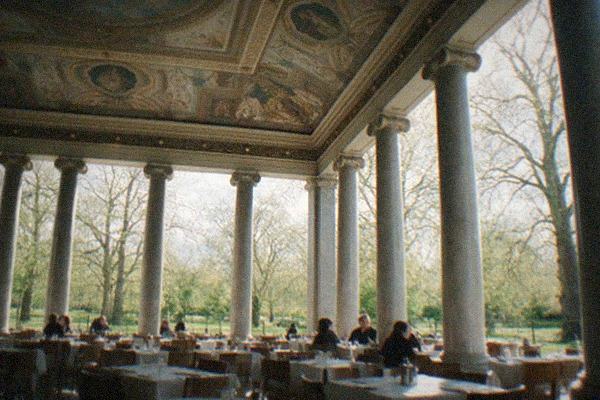
Greenwich · Europe's finest Baroque interior.
Baroque masterpiece at Old Royal Naval College with ceiling murals.
from $23.71per person, live price on the listing Check availability →
Bloomsbury, Great Russell Street · Rosetta Stone in the Egyptian Sculpture Gallery
World-renowned collection of human history and culture spanning two million years.
Free entry, no ticket needed.