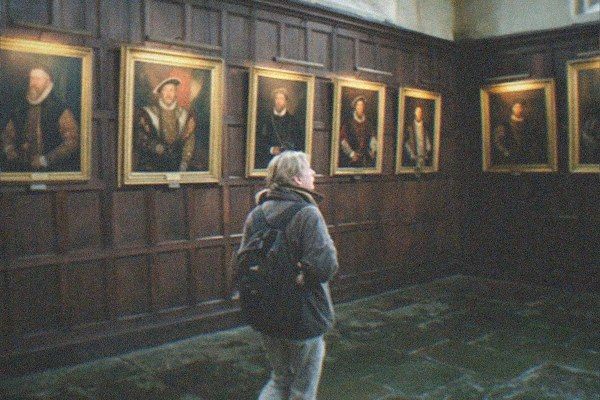
National Portrait Gallery
Westminster, St Martin's Place · Tudor portraits
Portraits of historically important and famous British people.
Free entry, no ticket needed.
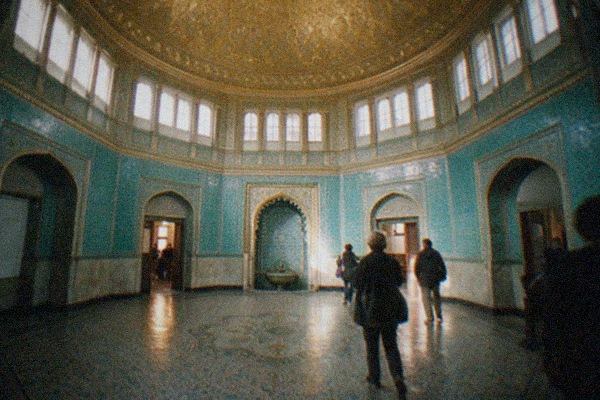
Orientalist Arab Hall with Middle Eastern tiles.
Current admission is on the museum's own ticket page.
Official tickets →Opens the museum's own website. Book on the official site; nothing is charged on this page.
Leighton House is the preserved Kensington home and studio of the Victorian painter Frederic, Lord Leighton, President of the Royal Academy. Its centrepiece is the Arab Hall, a golden domed room lined with Middle Eastern tiles. It suits art lovers and anyone curious about how a celebrated Victorian artist actually lived.
The visit is built around the Arab Hall, a two-storey domed chamber lined with fifteenth and sixteenth century Islamic tiles, hung with a gilded mosaic frieze and lit by a glass dome above a central fountain. Around it sit Leighton's grand studio, the Silk Room and a sequence of reception rooms filled with Victorian paintings.
Leighton bought the plot on Holland Park Road in the 1860s and commissioned the architect George Aitchison to design a studio house he kept extending over the following three decades. The building was deliberately quiet from the street: a plain exterior hiding a sequence of theatrical interiors. That contrast is part of the point. The house was designed to be moved through as an experience, from the narrow entrance stair to the Arab Hall at the centre of the plan.
The Arab Hall was built between 1877 and 1879, inspired by the twelfth century La Zisa palace in Palermo, a building Leighton had seen on his travels. The tiles were collected by Leighton himself on journeys through Damascus, Cairo and elsewhere in the Middle East. The effect is of depth and colour, with a shallow pool beneath the dome and light filtered through stained glass. Many visitors treat this single room as the reason for coming, and it justifies the trip on its own.
The studio at the top of the house is the other anchor of the visit. This is where Leighton worked, and its scale tells you what a successful Victorian painter's practice looked like: double height, north lit, with space for large canvases and sitters. His best known painting, Flaming June, is not here; it belongs to the Museo de Arte de Ponce in Puerto Rico, so do not arrive expecting it. The house does hold works by Leighton himself, together with paintings by his contemporaries and friends, including John Everett Millais, Edward Burne-Jones and other artists associated with the Pre-Raphaelite circle.
The redevelopment completed in 2022 added new spaces: a contemporary gallery downstairs, a shop, and a cafe with a small courtyard. The contemporary wing hosts changing exhibitions, so part of what you see depends on what is on during your visit, and the museum's own site lists current shows. The house also gained a new mural commission for the stairwell by the artist Shahrzad Ghaffari, which links the Victorian interiors to the Islamic art tradition the Arab Hall celebrates.
Give the Silk Room particular attention. It was hung floor to ceiling with paintings by Leighton's friends, arranged salon style as Victorians preferred, and the current presentation follows that dense hanging. The whole house rewards slow looking rather than a brisk walk through.
Standard adult admission is £14, with concessions at £10. Children aged under 6 enter free and ages 6 to 18 pay £6. National Art Pass holders get 50% off. Joint tickets covering Leighton House and its sister museum are also available, and the current prices are always listed on the museum's own ticketing site.
Leighton House sells tickets through its own booking system. There is no third party reseller involved, and buying direct means you are dealing with the museum itself, which keeps things simple if you need to change or cancel a booking. You can buy in person at the door subject to capacity, but timed entry through the museum's own online page is the straightforward route, especially for weekends.
The National Art Pass discount of 50% applies to standard adult admission, making Leighton House one of the more rewarding National Art Pass uses in west London if you already hold the pass. If you are visiting several paid museums on one trip, it may be worth checking what the pass saves you across the board before buying individual tickets.
The sister museum referred to above is 18 Holland Park, formerly the Sambourne family house, a short walk away and run by the same team. It is a very different experience: a middle class Victorian family home preserved almost entirely intact, from the wallpapers to the clutter. The joint ticket covering both houses suits people who want the full Victorian Kensington picture in a day. 18 Holland Park is small and has strict capacity limits, so check availability on the museum's own site before relying on the joint option for a given date.
| Ticket Type | Price | Notes |
|---|---|---|
| Standard adult admission | £14 | Museum's own price, not a Gift Aid figure |
| Concessions | £10 | Eligibility categories on the museum's site |
| Child under 6 | Free | No ticket needed for infants and toddlers |
| Child 6 to 18 | £6 | Applies to ages 6 through 18 |
| National Art Pass holder | 50% off | Off standard adult admission |
| Joint ticket | on the museum's site | Covers Leighton House and 18 Holland Park |
One honest comparison: London is generous with free museums, and some visitors will weigh £14 against the free collections at the National Gallery or the free rooms at the Courtauld Gallery. Those are different products. Leighton House is a historic interior and a house museum; you are paying for the architecture and the setting, not a survey collection. If what you want is a room to remember rather than rooms of masterpieces, the price makes sense. If you want maximum paintings per pound, the National Gallery remains unbeatable.
Allow around 90 minutes for a relaxed visit, or an hour if you move quickly. The house is compact, with the Arab Hall and the great studio doing most of the work. Weekday mornings are the calmest time to see it; weekends fill up, and the small historic rooms make a crowd noticeable. Opening days and hours are listed on the museum's own site.
The visit is sequential rather than sprawling. You enter, climb to the principal floor, pass through the drawing room and dining room, arrive at the Arab Hall, then continue up to the studio and the Silk Room. The new lower ground floor with its contemporary gallery and cafe comes at either end, depending on your route. Two hours is the comfortable budget if you plan to read the room labels properly and take in the tiles at close range, which is where much of the pleasure lies.
Do not print opening hours from a directory page like this one without checking. Leighton House has closed days and seasonal variations, and hours shifted after the 2022 redevelopment. The museum's own ticketing page shows live availability by date, which is effectively a live opening calendar, and that is the source we would check before travelling. The house is occasionally closed for private events, another reason to verify on the day.
For photography, the Arab Hall is the shot everyone wants, and it is permitted under the house's visitor rules. The best conditions are a bright day, when the dome light does the work on the mosaic frieze. Late afternoon light through the stairwell mural can be striking too. If the weather is poor, the house is largely indoors, which makes it a solid rainy day choice in Kensington.
If you are building a west London art day, Leighton House pairs naturally with other stops rather than standing alone, and the following sections suggest how. Visitors who prefer a single intense museum morning might instead spend it at the Moco Museum in Marble Arch, which offers modern and contemporary work in a completely different register; the two make an odd but workable contrast pair for the determined.
| At A Glance | Detail |
|---|---|
| Location | Kensington, west London |
| How long to allow | 60 to 120 minutes |
| Opening hours | on the museum's site |
| Nearest stations | on the museum's site; High Street Kensington and Holland Park are the usual options |
| What is included | Arab Hall, studio, Silk Room, reception rooms, contemporary gallery |
| Good for | Art lovers, architecture fans, Victorian history, Islamic art |
Leighton House sits on Holland Park Road in Kensington, postcode region W14, at the edge of Holland Park itself. High Street Kensington is the nearest Underground station of any size, with Kensington Olympia also within reach, and the museum's own site carries the transport details it recommends. The house is compact and historic, so expect stairs and narrow passages as part of the experience.
The house's coordinates are 51.49861, -0.20316, which places it a short walk south of Holland Park's southern entrance. The walk from High Street Kensington passes through a residential stretch of stuccoed Victorian streets, much of it part of a conservation area, so the approach itself is part of the outing. Buses run along Kensington High Street, and cycle parking is available in the park if you come by bike.
On accessibility: the 2022 redevelopment added step free access to significant parts of the building, including the new wing and the ground floor of the historic house, and a lift serves the lower ground floor gallery and cafe. The upper historic rooms, including the studio, are reached by the original Victorian staircase, so full access to every period room may not be possible for visitors who cannot manage stairs. Because access arrangements in a Grade II* listed building change, contact the museum directly before visiting if step free access matters to your visit, or check the access page referenced from its official site, the museum's ticketing page.
Regarding bags, historic houses of this type generally ask visitors to keep large bags and rucksacks off their backs or store them, to protect fragile interiors and the tiles themselves. Leighton House does not publish a detailed bag policy on third party listings, so treat this as a general expectation rather than a confirmed rule, and check the practical information page on the museum's own site. Smaller day bags are typically fine.
Food and drink are not permitted in the historic rooms, which is standard for tile lined interiors. The courtyard cafe in the new wing is the place for refreshments, and the Holland Park neighbourhood has good independent cafes a few minutes away if you would rather eat outside the museum. Photography without flash is normally welcome; if you are planning a professional shoot, that requires separate permission.
Holland Park is next door, 18 Holland Park is the museum's own sister house a few minutes' walk away, and the Design Museum sits at the other end of Kensington High Street. Together these make a full west London day without needing to cross the city. Kensington Gardens and the Royal Albert Hall are a short hop further east.
Start with Holland Park itself. The park contains the Kyoto Garden, a Japanese garden donated in 1991, plus the remains of Holland House, a peacocked lawn and quiet woodland walks. It takes twenty minutes to stroll through to the Kensington High Street side, and it turns a museum visit into a proper afternoon. The park is free, open during daylight hours, and genuinely calm compared with Hyde Park.
18 Holland Park is the most natural pairing, and the joint ticket exists precisely for it. The house was the home of Linley and Marion Sambourne, and it survives as a near complete Victorian family interior, crammed with furniture, wallpapers and possessions exactly as the family left it. Where Leighton House is an architect's theatre of colour and display, 18 Holland Park is domestic and lived in. Book it with your Leighton House ticket and do them the same day; the two houses are a five minute walk apart.
The Design Museum, in the old Commonwealth Institute building, is a ten minute walk west and covers product, graphic and industrial design, with a free permanent collection. The Courtauld Gallery is the other strong companion if you want more painting, though it sits across town in Somerset House, so plan it as a separate morning rather than a same day double. For Pre-Raphaelite depth after seeing Leighton's circle, the National Gallery holds major works by Rossetti, Millais and Burne-Jones at no charge.
For something completely different in west London, the Moco Museum near Marble Arch brings contemporary and street art names into a compact, high energy space. It suits a younger crowd or anyone whose patience for Victorian interiors runs out after one house museum. It is not near Kensington, but it can anchor a different day in the same trip.
Closer still, the Holland Park avenue itself contains several other Victorian studio houses built by artists who followed Leighton to the neighbourhood, and some open occasionally under group schemes. If you fall for the architecture at Leighton House, look up the next open weekend before your trip; the museum's own site and the local borough heritage listings carry details.
Standard adult admission is £14, with concessions at £10. Children under 6 enter free and ages 6 to 18 pay £6. National Art Pass holders get 50% off standard admission. Joint tickets covering Leighton House and its sister house 18 Holland Park are also available, with current prices on the museum's own site.
The Arab Hall is the museum's centrepiece, a two storey domed chamber built between 1877 and 1879. Its walls are lined with fifteenth and sixteenth century Islamic tiles collected by Leighton on his travels through the Middle East, topped by a gilded mosaic frieze, with a central fountain beneath a glass dome. It is the room most visitors come to see.
Leighton House is on Holland Park Road in Kensington, west London, right beside Holland Park. The coordinates are 51.49861, -0.20316. High Street Kensington is the nearest Underground station of any size, with a pleasant walk through Victorian streets to the door. The museum's own site carries its recommended transport details.
No. Leighton's most famous painting, Flaming June, belongs to the Museo de Arte de Ponce in Puerto Rico and is not part of the permanent display. The house does hold works by Leighton himself and by his Pre-Raphaelite and Royal Academy contemporaries, including Millais and Burne-Jones, so there is Victorian painting to see, just not that canvas.
Partly. The 2022 redevelopment added step free access and a lift serving the new wing and lower ground floor gallery. The upper historic rooms, including the studio, are reached by the original Victorian staircase. If step free access matters to your visit, contact the museum directly before travelling or check its official site for current arrangements.
Around 90 minutes at a relaxed pace, or an hour if you move briskly. The house is compact: the Arab Hall, the great studio and the Silk Room do most of the work, with the contemporary gallery and cafe downstairs as extras. Photography of the Arab Hall is normally permitted, which tempts many visitors to linger longer.
Yes, and the joint ticket exists for the obvious pairing: 18 Holland Park, the preserved Victorian family home a five minute walk away, run by the same team. Holland Park itself and the Design Museum are also within easy reach. Across town, the Courtauld Gallery and the National Gallery offer more painting on a separate day.
Westminster, St Martin's Place · Tudor portraits
Portraits of historically important and famous British people.
Free entry, no ticket needed.
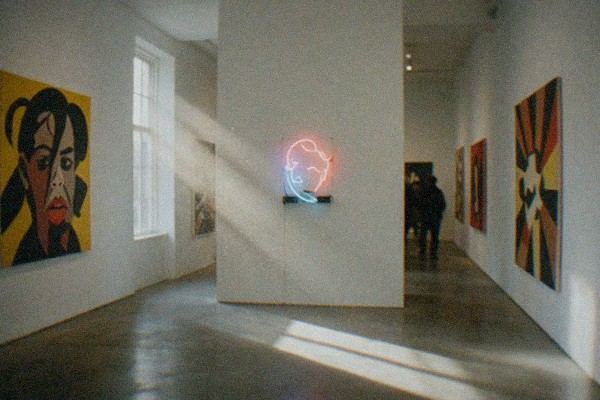
Marble Arch · Immersive digital and street art experiences.
Modern and contemporary art with Banksy, Basquiat, Warhol, Kusama.
from $31.02per person, live price on the listing Check availability →
Somerset House · Manet, Monet, Van Gogh, and Gauguin masterpieces.
Impressionist and Post-Impressionist art in Somerset House.
from $18.97per person, live price on the listing Check availability →