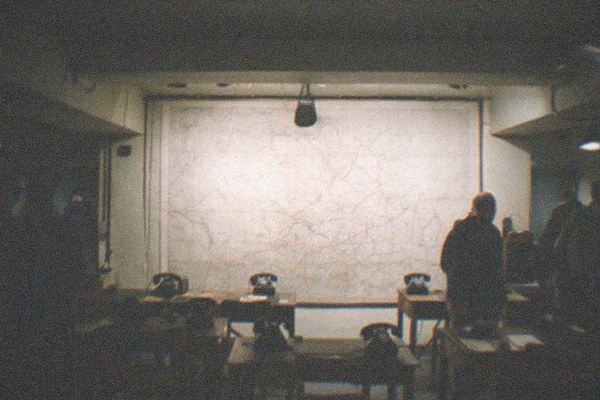
Churchill War Rooms
Westminster, Clive Steps · Preserved Map Room
Underground WWII bunker used by Churchill and the War Cabinet.
from $46.06per person, live price on the listing Check availability →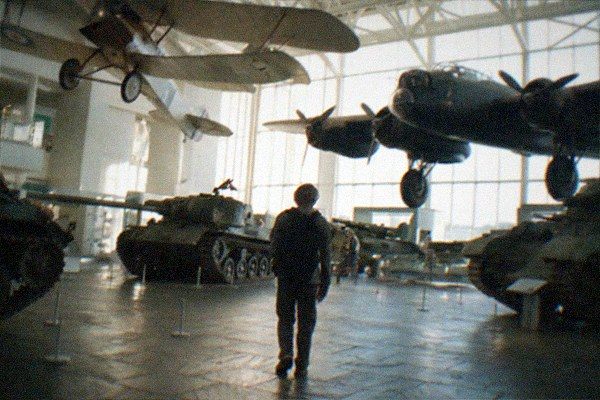
Free entry, no ticket needed.
Atrium with suspended aircraft and tanks
Plan your visit →Opens the museum's own visitor page. There is nothing to book: the permanent collection is free.
The Imperial War Museum in Lambeth covers the history of modern conflict, with a strong focus on the First and Second World Wars. Entry is free and no ticket is needed. It suits families, history buffs and anyone wanting a serious half day in central London.
The museum tells the story of modern conflict from the First World War onwards, and its best known sight is the main atrium, where aircraft and tanks hang and sit suspended in the open space. Galleries spread across several floors cover the two World Wars in depth, plus later conflicts through to the present.
The Atrium is the moment most visitors remember. You walk in and the scale of twentieth century warfare is physically above you. Aircraft, tanks, artillery and missiles are arranged so you can view them from ground level and from walkways higher up, which changes the experience completely. A plane that looks imposing from below looks fragile from the side. Give the atrium a slow circuit before you head into the galleries, because the lighting and the sightlines reward it.
The First World War galleries are widely regarded as among the best of their kind anywhere. They move from the causes of the war through trench life, the home front and the aftermath, and they do it with personal objects rather than dry timelines. Letters, uniforms, ration tins and improvised equipment do most of the talking. The Second World War galleries follow a similar approach, covering the Blitz, the Holocaust, the war in the Pacific and the eventual Allied victory.
Alongside the permanent displays the museum runs temporary exhibitions. These are the parts of the building that may carry a charge, and they change through the year, so what is showing when you visit depends on timing. Some exhibitions and events are paid even though general entry is not. If a particular temporary show matters to you, check the current price on the museum's own site before you travel.
If your interest leans toward Churchill himself rather than the wider war, the Churchill War Rooms cover the underground command centre where he and his staff worked. The two sites make a natural pair for a war history themed day in London, though the War Rooms charge admission while the Imperial War Museum does not.
Entry to the Imperial War Museum is free to everyone, all year round, and you do not need a ticket to get in. Some temporary exhibitions and special events carry a separate charge. Children, defined as under-16s, are free or pay a reduced rate for paid items, and advance booking for those items may be advised.
This is one of the great free museums of London, in the same bracket as the nationals, and it makes no fuss about it. You can turn up on the day, walk through the doors and see the permanent collections without paying anything or pre-booking anything. There is no timed slot, no queue for tickets and no scanning at the door for general entry.
The exceptions are worth knowing in advance. Major temporary exhibitions, usually the big ticketed shows in the ground floor exhibition spaces, do charge admission. Ticketed events, talks and some family activities may also cost money. For anything in that category, check the current price on the museum's own site at https://www.iwm.org.uk/visits/iwm-london, because prices vary by exhibition and change between shows.
Families get a good deal here. Under-16s go free to the permanent galleries along with everyone else, and for paid exhibitions children are typically free or pay a reduced rate. The museum advises advance booking for some paid items, which is about capacity for popular shows rather than a barrier to entry. Booking ahead for a paid exhibition is a convenience, not a requirement for the museum itself.
| Item | Cost | Notes |
|---|---|---|
| General entry, permanent galleries | Free | No ticket needed, all year round |
| Temporary exhibitions | Paid, price on the museum's site | Varies by show; check current price before visiting |
| Events and talks | Paid, price on the museum's site | Some events may be free; varies |
| Children (under-16s), paid items | Free or reduced | Advance booking may be advised |
| Official booking page | n/a | https://www.iwm.org.uk/visits/iwm-london |
It is also worth saying plainly what free does not mean. The cafe, shop and cloakroom services are commercial and priced accordingly. Donations are welcome and genuinely do fund the place, but nobody will press you. For comparison, the Household Cavalry Museum nearby does charge for entry, so a day combining several military museums will not be entirely cost free.
Allow two to three hours for the permanent galleries, and half a day or more if you want to add a paid temporary exhibition. Weekday mornings are the quietest time; weekends and school holidays are busiest, especially around the family activity areas.
The museum is big enough that rushing it wastes the trip. The Atrium alone deserves twenty minutes if you want to look at the aircraft properly from the upper walkways. The First World War galleries take a good hour at a sensible pace, and the Second World War galleries a similar amount, more if you read as you go. Visitors who arrive expecting a quick look often stay far longer than planned, and that is the honest pattern for this building.
Timing matters less than at ticketed attractions because there is no entry fee at stake and no fixed slot. You can arrive at opening, leave for lunch in the cafe or nearby Lambeth, and come back into the galleries if your day allows. That flexibility is one of the quiet advantages of a free museum.
Crowds follow the school calendar. Term time weekdays are calm. Weekends bring families, and the school holidays bring a lot of them, though the building absorbs numbers reasonably well because the galleries are spread across multiple floors. If you want the quietest possible visit, aim for a weekday morning outside the holidays, and head to the upper floor galleries first while the ground floor fills up.
| At A Glance | Detail |
|---|---|
| Opening hours | On the museum's site |
| Closed days | On the museum's site |
| Time to allow | 2 to 3 hours; half a day with a paid exhibition |
| Nearest station | On the museum's site |
| Entry cost | Free, no ticket needed |
| What is included | All permanent galleries, including the Atrium and both World War galleries |
| What is not included | Paid exhibitions and events, cafe, shop |
| Location | Lambeth Road, Lambeth, SE1 |
Temporary exhibitions change, so what is on during your visit depends on the calendar. The museum publishes current and upcoming shows on its own pages, and that is the only reliable source for what will be open on a specific date.
The museum sits on Lambeth Road in Lambeth, south of the river and a short walk from the South Bank. General entry is free with no ticket, so you can arrive unannounced. Opening hours and closed days should be confirmed on the museum's own site before travelling, as they change seasonally.
The location is convenient but slightly set back from the obvious tourist trail, which keeps the atmosphere calmer than the museums around South Kensington. Lambeth Road connects toward Westminster in one direction and toward Elephant and Castle in the other, and the walk from the river is pleasant and flat. Several bus routes run along the surrounding roads, and the museum is well served by public transport despite not sitting directly on a tube line. Confirm the best current route on the museum's site or on the Transport for London journey planner.
For exact opening hours, closed days and any seasonal variations, the only dependable source is the official page at https://www.iwm.org.uk/visits/iwm-london. Museums of this size adjust hours around holidays, private events and maintenance closures, so checking the day before is sensible and takes under a minute.
Accessibility is taken seriously here. Step free access covers the main entrance and the galleries, and lifts connect the floors. The building was historically not designed for wheelchairs, but the major redevelopment carried out in the 2010s addressed circulation throughout, and the atrium walkways are reachable by lift. If you have specific access needs, including assistance dogs, hearing loops or quiet sessions, the museum's own access pages carry the current detail, and that is where you should verify anything that matters to your visit.
On bags and security: large museums in London operate airport style bag checks at entry, and this one is no exception. Travel as light as you can. There is typically a cloakroom or storage option, but capacity and any charges should be confirmed on the museum's site rather than assumed. Food and drink are confined to the cafe areas rather than the galleries.
Families should know the museum handles difficult subject matter with care but does not shy away from it. The Holocaust galleries in particular are affecting and are generally recommended for older children and adults. The museum publishes guidance on age suitability for its more sensitive galleries, which is useful reading before a visit with younger children.
The museum's Lambeth location puts it within walking distance of the South Bank, and the strongest pairing is the Churchill War Rooms in Westminster, which covers the underground command centre from which Churchill directed the war. The Household Cavalry Museum is another military themed option across the river.
The Churchill War Rooms is the natural companion. It is the preserved bunker complex beneath Westminster where the wartime government operated, and it complements the Imperial War Museum's big picture galleries with an intimate, site specific experience. Note the contrast in cost: the Imperial War Museum is free, while the War Rooms charge admission, so budget accordingly if you plan both. Doing them on separate days also works well, because each deserves more than a rushed hour.
The Household Cavalry Museum near Horse Guards covers the mounted regiments that have guarded the monarch for centuries, including the working stables behind the ceremonial display. It is a smaller visit and a good add-on if you are heading up toward Westminster afterwards. Between the two you get a sense of British military history from the ceremonial end rather than the industrial one.
Geographically, Lambeth itself rewards a little time. Lambeth Road leads toward the river and the stretch of the South Bank around the London Eye, which is a pleasant walk of roughly twenty to thirty minutes from the museum. Borough Market and the Southbank Centre food options are both reachable on foot if the museum cafe does not appeal. For a full day built around war history, the pattern that works well is the Imperial War Museum in the morning, lunch around the South Bank, then the War Rooms in the afternoon.
One practical note on pacing. Because the Imperial War Museum is free, it makes a low pressure anchor for a day. You can arrive early, see the galleries at length, leave when you have had enough, and still feel the visit was worthwhile, which is not something you can say of every large London attraction. Its official visitor page carries current exhibition listings and any events tied to anniversaries, worth a look if your dates are fixed.
Yes. Entry is free to everyone, all year round, and no ticket is needed for the permanent galleries. You can simply arrive and walk in. Some temporary exhibitions and events carry a separate charge, and those are the only parts of a visit that cost money.
No booking is needed for general entry, which is free with no ticket. For paid temporary exhibitions and ticketed events, advance booking may be advised, and the museum recommends it for popular shows. Prices for those items should be checked on the museum's own site.
The Atrium. Aircraft and tanks hang and sit suspended in the main space, viewable from ground level and upper walkways. Beyond that, the First and Second World War galleries are considered among the best exhibitions of their kind, covering the history of modern conflict through personal objects and individual stories.
Two to three hours covers the permanent galleries at a sensible pace. If you add a paid temporary exhibition, plan on half a day or more. Many visitors stay longer than expected, because the World War galleries reward reading rather than skimming.
Yes. Under-16s enter the free permanent galleries like everyone else, and for paid exhibitions children are typically free or pay a reduced rate. Advance booking for paid items may be advised. The museum also publishes age guidance for its more sensitive galleries, including the Holocaust display.
The museum is on Lambeth Road in Lambeth, south of the river, a short walk from the South Bank. It is well served by bus, and several routes pass nearby. For the nearest station and current travel advice, check the museum's own site or the Transport for London journey planner before setting out.
Some temporary exhibitions and events charge admission, and the cafe and shop are commercial. Everything else, including the Atrium and both World War galleries, is free. For current exhibition prices, check the museum's own site at iwm.org.uk, as costs vary between shows.
The Churchill War Rooms in Westminster make the strongest pairing for war history, though they charge admission. The Household Cavalry Museum near Horse Guards is another option. Both are across the river, and the walk from Lambeth Road to the South Bank takes roughly twenty to thirty minutes.
Westminster, Clive Steps · Preserved Map Room
Underground WWII bunker used by Churchill and the War Cabinet.
from $46.06per person, live price on the listing Check availability →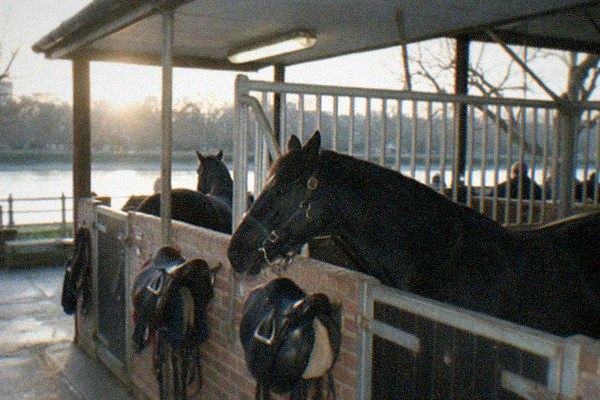
Whitehall · Working stables and ceremonial uniforms.
Regimental artefacts and living history of the Household Cavalry.
Check latest prices Check availability →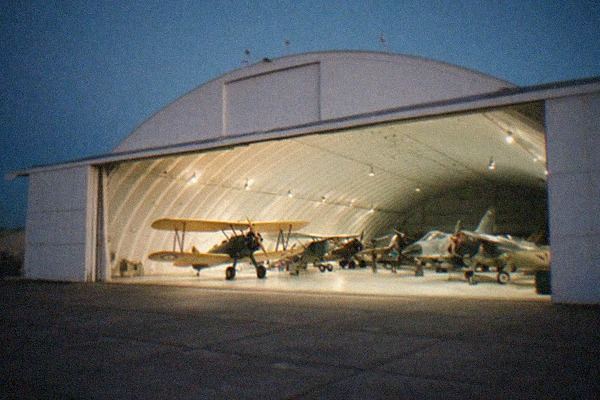
Colindale, Grahame Park Way · Iconic aircraft in hangars
Aviation history with historic aircraft and RAF stories.
Free entry, no ticket needed.