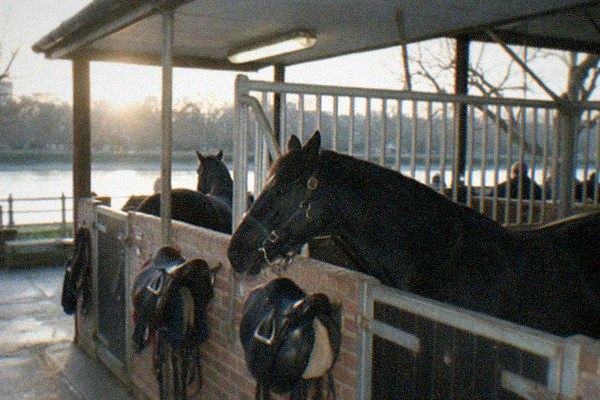
Household Cavalry Museum
Whitehall · Working stables and ceremonial uniforms.
Regimental artefacts and living history of the Household Cavalry.
Check latest prices Check availability →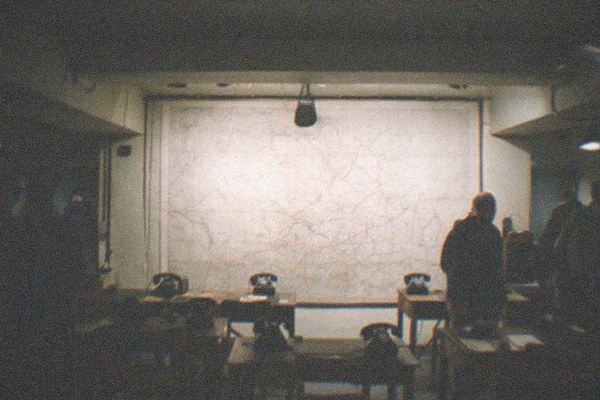
Preserved Map Room
from $46.06 per person, live price on the listing
Check Price & Availability →Opens the official listing with live dates and prices. Book there; nothing is charged on this site.
The Churchill War Rooms are the preserved underground bunker in Westminster where Churchill and his War Cabinet directed Britain's WWII effort. It suits history lovers, families with school-age children and anyone curious about how a government ran a war from beneath the streets of London.
The Churchill War Rooms are an underground complex beneath Westminster where Winston Churchill, his War Cabinet and the military planning staff worked, and sometimes slept, during the Second World War. Today it is a museum run by Imperial War Museums, preserved close to how it looked when the lights went out in 1945.
The site is a cluster of corridors and small rooms dug into the basement of a government building at Clive Steps, a short walk from Westminster stations. During the war this was one of the most secret addresses in Britain. Around 100 staff worked here in cramped conditions, often sleeping on bunks in the passages, while the Blitz raged overhead. Churchill himself treated the bunker as a fallback office, and on occasion as a bedroom, during the heaviest raids.
When the war ended the rooms were locked, largely untouched, and left that way for decades. That accidental neglect turned out to be a gift. Desks still hold the papers staff were working on when they left. Maps still sit on walls. The telephones, typewriters and bunk beds remain in place, which gives the museum a startling immediacy that few reconstructed sites can match. According to the museum's own site, the rooms were opened to the public by IWM after being preserved, and the complex now includes the Churchill Museum, a dedicated exhibition on the man himself, alongside the original War Rooms.
The contrast is part of the appeal. You move between two kinds of experience: the historical galleries telling Churchill's life story with modern displays, and the raw, low-ceilinged rooms where history actually happened. Most visitors find the second half the more powerful, but the Churchill Museum gives essential context and fills out the picture of the decisions made in these corridors. Allow time for both rather than rushing to the famous rooms.
The centrepiece is the Map Room, preserved exactly as it was left at the end of the war, with wartime maps, instruments and documents still in place. Around it sit the Cabinet Room where Churchill met his ministers, his personal bedroom, the Transatlantic Telephone Room and the Churchill Museum, a modern biographical exhibition.
The Map Room is the room people come for, and it deserves its reputation. This was the beating heart of the bunker, staffed around the clock from 1939 until the war's end, never once switching off. When you stand in it today you are looking at a room that was abandoned mid-shift rather than staged for display. Chart tables, wall maps, rows of telephones and coloured pins are all original. It was from here that staff tracked the movement of convoys, armies and aircraft across the world, feeding information up to Churchill and the chiefs of staff. IWM describes it as having remained virtually untouched since 1945, and that is precisely what makes it extraordinary. Nothing has to be imagined.
The Cabinet Room lies a few steps away. Here Churchill held more than a hundred meetings with his War Cabinet, in a long room dominated by a horseshoe of chairs. Churchill's own chair is still in position, the only one with wooden armrests rather than leather, so he could bang his signet ring on the arm for emphasis. Standing at the doorway, you see the table almost as ministers saw it when they filed in for a session, papers laid out, ashtrays ready.
Other stops on the route include Churchill's private quarters, a cramped bedroom-office where he slept on the heaviest bombing nights, sometimes working from bed, and where he made several of his wartime broadcasts from the annex. The Transatlantic Telephone Room, a tiny closet lined with a device that scrambled his calls to Washington, gives a sense of how close the alliance machinery ran to these walls. The Churchill Museum then widens the lens: a chronological journey through Churchill's ninety years, from his Victorian childhood and early military career through the wilderness years of the 1930s, the premiership, and his later life. The famous door marked with a black border, from 10 Downing Street, is among the displays.
An audio guide is included with admission, and at the Churchill War Rooms that is not a gimmick. The narrative uses recordings and testimony from the people who worked here, including switchboard operators and map officers, and it is the single best way to understand how the rooms were used. The corridors are dim and signage is sparse by design, so the guide does much of the interpreting.
Standard adult admission is £34, covering entry and the included audio guide, with timed entry required for all visitors. Children aged 5 to 15 pay £17, and under-5s enter free. Booking ahead secures a time slot, which is essential at peak periods.
The headline adult figure of £34 is the museum's own published price for standard adult admission, for visitors aged 16 to 64, covering dates from September 2026 through to March 2027, and it includes the audio guide. It is a standard price, not a Gift Aid figure, so what is printed is what you pay at the door. For younger visitors, the 5 to 15 rate is £17, and children under 5 go free. Family and concession arrangements beyond that are not published in verified form here, so check the current price on the museum's own site before booking.
You will also see the museum sold through online travel platforms. One major listing currently shows a from-price of $46.06 USD per person, rated 4.6 across 447 reviews. Treat that number with care. A platform from-price is not the same thing as the GBP door price: it reflects currency conversion, platform fees and whatever margin the reseller applies, and it can move day to day. The verified benchmark remains the museum's own £34 adult rate, so use that when judging whether a resold ticket is good value. Whichever route you prefer, buying in advance is the practical move because timed entry means walk-up availability can vanish on busy days, especially in school holidays and summer weekends.
Admission is bookable directly via the Imperial War Museums site, and if you would rather compare before committing, the booking panel on this page gathers the current options in one place for you.
| Ticket type | Price | What it covers |
|---|---|---|
| Standard adult (16-64) | £34 | Timed entry and audio guide |
| Child (5-15) | £17 | Timed entry and audio guide |
| Under 5 | Free | Timed entry with accompanying adult |
| Concession / family rates | on the museum's site | Check the current price on the museum's own site |
| Reseller from-price (USD) | from $46.06 USD | Platform price, not the same as the GBP door price |
A note on value: the included audio guide means there are no add-on costs inside, and the visit is not a five-minute stop. At £34 for an adult most visitors will spend two hours or more here, which puts the per-hour cost in the same range as London's other major paid museums. Concessions, annual passes and National Trust or other reciprocal schemes, where they exist, are listed on the official site, so it is worth a minute there if you qualify for anything.
Most visitors should allow around two hours, with history enthusiasts comfortably filling two and a half. Timed entry spreads arrivals through the day. Weekday mornings tend to be quietest, while weekends, school holidays and summer are the busiest periods.
Two hours is a realistic minimum. The Churchill Museum alone can absorb forty-five minutes if you read properly, and the War Rooms themselves move slowly because corridors are narrow and people linger at the Map Room and Cabinet Room. If you are visiting with teenagers studying the period, or you simply like reading everything, plan closer to two and a half hours and book a late-morning slot so you are not rushed. Visitors who sprint through in an hour routinely say they wished they had taken longer.
Because entry is timed, your slot matters more than your arrival day in one sense: whatever you book, arrive five to ten minutes early, as queues form at the small entrance on Clive Steps even with pre-booked tickets. That said, day of week still shapes the crowd. Midweek mornings in the off-season are noticeably calmer. July and August, half terms and the weeks around commemorations in May and November see the tightest slots sell out well ahead. If your dates are fixed to those windows, book as far in advance as the booking window allows.
Opening hours vary by season and are subject to occasional changes, so rather than relying on a figure here, check the current hours on the museum's own site. Last entry closes some time before final closing, and because the route is one-way-ish and self-paced, a late slot compresses your visit more than you expect. The museum is fully indoors and underground, which makes it a genuine all-weather option: it is one of the best rainy-day picks in central London precisely because none of the experience depends on the sky.
| At a glance | Detail |
|---|---|
| Location | Clive Steps, Westminster |
| Nearest stations | Westminster (Jubilee, District, Circle), St James's Park (Circle, District) |
| How long to allow | About 2 hours, longer for history fans |
| Opening hours | on the museum's site |
| Closed days | on the museum's site |
| What's included | Timed entry and audio guide |
| Bags and security | on the museum's site |
The entrance sits at Clive Steps, on King Charles Street in Westminster, a five-minute walk from Westminster station. Allow two hours, arrive before your timed slot, pick up the included audio guide, and expect narrow, dim corridors rather than a bright modern gallery.
Getting there is simple. The museum's coordinates are 51.50221, -0.12925, placing it at the bottom of King Charles Street, at the corner of the Treasury building, between Westminster Abbey and Horse Guards. Westminster station, served by the Jubilee, District and Circle lines, is the closest Underground stop at roughly five minutes on foot. St James's Park station, on the District and Circle lines, is only a couple of minutes further and often the calmer exit. Several bus routes run along Whitehall and Victoria Street, and Westminster Pier serves river services along the Thames. If you are walking from Trafalgar Square, head down Whitehall past the Cenotaph and the steps are on your right just before the Treasury.
The building itself sets the tone. You descend a short flight to the entrance, and inside the ceilings are low, the lighting deliberately kept at wartime levels, and the corridors narrow. Wheelchair access is provided via a lift between levels of the visitor route, and IWM publishes an accessibility overview on its official site covering step-free entry, accessible toilets and facilities for assistance dogs. Anyone with limited mobility or claustrophobia sensitivities should read that page before booking, because the historic environment cannot be altered. Large-print and adjustable audio guides are available on request at the desk.
Bag rules and security screening are in place; specifics such as maximum bag size and locker availability are listed on the museum's site, so check there rather than arriving with a suitcase. There is a small shop at the exit selling books, replicas and wartime memorabilia, and a cafe is situated at the end of the route, a welcome spot for a sit-down after the low ceilings. Photography is generally permitted, without flash or tripods, but confirm current policy on the official page. Food and drink cannot be consumed inside the historic rooms.
The War Rooms sit in the heart of Westminster, so the obvious pairing is Westminster Abbey and the Houses of Parliament, both within a ten-minute walk. Horse Guards and the Household Cavalry Museum are two minutes away, and Whitehall links everything in one straight line toward Trafalgar Square.
Because the museum sits at the political centre of London, the surroundings are a natural continuation of the story. Horse Guards Parade is practically next door, and the Household Cavalry Museum, a short walk across the parade ground, makes an easy second stop, especially with children who want to see the working stables behind the ceremonial splendour. The two sites pair neatly: morning at the War Rooms, lunch nearby, then the Cavalry Museum in the afternoon.
From there, Whitehall runs north to Trafalgar Square and the National Gallery, and south past the Cenotaph to Parliament Square, where Westminster Abbey and Big Ben stand. A self-guided walk of the street itself, past the government departments whose basements once hummed with wartime activity, takes under half an hour. The Churchill Statue in Parliament Square is an obvious photo stop after your visit. Across the river, the London Eye sits a fifteen-minute walk away, which works well if you want a modern punctuation mark after a heavy dose of history.
For a deeper Second World War theme, the Imperial War Museum's main branch in Lambeth is a short tube or bus ride from Westminster and covers the wider conflict. If you would rather stay above ground in Westminster, the Queen's Gallery at Buckingham Palace and the Guards Museum near St James's Park round out a government-and-ceremony day. Practically speaking, treat the War Rooms as the anchor of a Westminster day: it is the one site here with timed entry, so book your slot first and fit the walkable, untimed attractions around it.
Standard adult admission (for visitors aged 16 to 64) is £34, and this is the museum's own published price covering dates from September 2026 to March 2027, including the audio guide. Children aged 5 to 15 pay £17, and under-5s enter free. For concession or family rates, check the current price on the museum's own site.
Not necessarily. One major booking platform lists the museum from $46.06 USD per person, but a platform from-price is not the same thing as the GBP door price, because it includes currency conversion and platform fees. The verified benchmark is the museum's own £34 adult rate, so compare any reseller offer against that before buying.
Allow around two hours as a realistic minimum, and closer to two and a half if you want to read the Churchill Museum properly. The Map Room and Cabinet Room draw lingering crowds, and the narrow corridors slow your pace. Book a slot that leaves you enough time before last entry.
Yes. Timed entry is required for all visitors, and slots on busy days, such as school holidays, summer weekends and commemorative weeks in May and November, can sell out ahead. Booking ahead secures your preferred time and saves queuing at the small entrance on Clive Steps.
Its hallmark is the Map Room, the bunker's wartime information hub, preserved virtually untouched since the lights went off in 1945. Maps, charts, telephones and documents remain in place, alongside the Cabinet Room where Churchill held War Cabinet meetings and his private bedroom-office.
Yes. The £34 standard adult admission and the £17 child rate both include the audio guide. It is a significant part of the experience, using testimony from the people who worked in the rooms, so budget your visit around listening rather than just looking.
The entrance is at Clive Steps, on King Charles Street in Westminster, at coordinates 51.50221, -0.12925. Westminster station on the Jubilee, District and Circle lines is about five minutes away on foot, and St James's Park station, on the District and Circle lines, is only slightly further. Several bus routes serve Whitehall nearby.
Opening hours and any closed days are published on the museum's official site, www.iwm.org.uk/visits/churchill-war-rooms, and they are subject to seasonal change. Because entry is timed, check both the hours and the last-entry time when choosing your slot so you are not squeezed at the end of the day.
Whitehall · Working stables and ceremonial uniforms.
Regimental artefacts and living history of the Household Cavalry.
Check latest prices Check availability →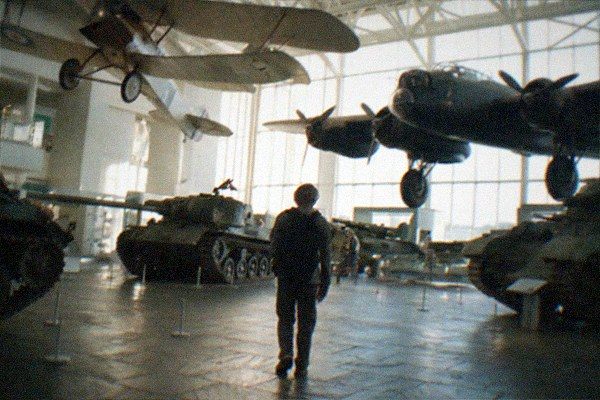
Lambeth, Lambeth Road · Atrium with suspended aircraft and tanks
History of modern conflict, especially the two World Wars.
Free entry, no ticket needed.
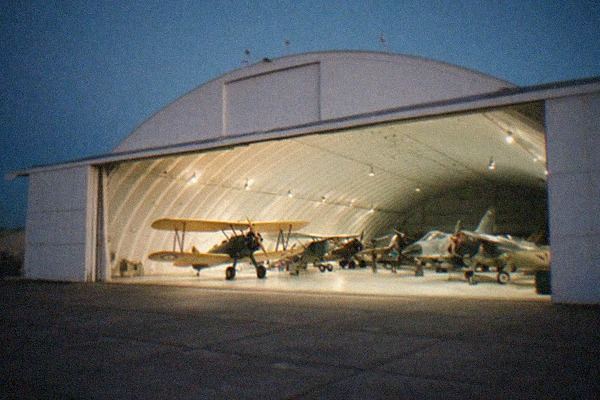
Colindale, Grahame Park Way · Iconic aircraft in hangars
Aviation history with historic aircraft and RAF stories.
Free entry, no ticket needed.