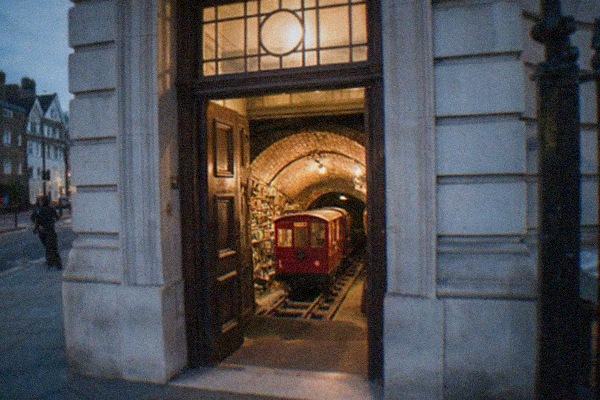
Postal Museum
Bloomsbury, Phoenix Place · Mail Rail underground ride
History of the postal service with Mail Rail ride.
from $27.77per person, live price on the listing Check availability →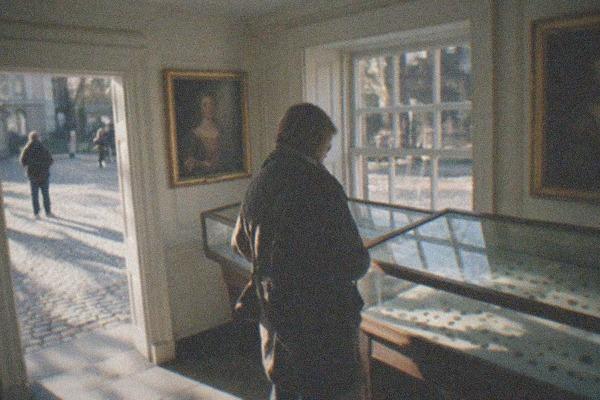
Artefacts and art from the Foundling Hospital
Current admission is on the museum's own ticket page.
Official tickets →Opens the museum's own website. Book on the official site; nothing is charged on this page.
A small Bloomsbury museum telling the story of the Foundling Hospital, the first home in London for abandoned children. It suits anyone interested in social history, Georgian art and the lives of families separated by poverty. Compact enough for a half-day visit, with genuine emotional weight.
The museum displays the artefacts and art of the Foundling Hospital, Britain's first home for children whose parents could not care for them. Portraits by Hogarth and Gainsborough, Handel memorabilia, and the everyday tokens mothers left with their babies fill a compact Georgian-style building facing Brunswick Square in Bloomsbury.
The Foundling Hospital was established in 1739 by Thomas Coram, a retired sea captain who had grown disgusted at seeing infants abandoned on London streets. With support from the artist William Hogarth and the composer George Frideric Handel, he created an institution that was radical for its time: a charity that treated poor children as worth saving, clothing and educating. The museum tells that story through the objects the Hospital kept, and the collection is unusually personal for an institution of its age.
The most affecting displays are the tokens. Mothers who left their babies at the Hospital were asked to leave a small object, a ribbon, a coin, a button or a scrap of fabric, so that if circumstances improved they could return and identify their child by matching it to the record. Thousands of these tokens survive, and they are the emotional core of the museum. You are looking at a tiny, ordinary thing that stood in for a whole family history. Many mothers never came back, and the museum does not pretend otherwise.
Handel's involvement gave the Hospital a musical legacy it still draws on. A fair copy of the Messiah score and material on the fundraising concerts the composer put on in the Hospital chapel sit alongside Hogarth's paintings. The Picture Room, a tall, book-lined gallery, mixes art with the Hospital's institutional records, so you can move from a society portrait to a committee minute within a few steps. The courts and staircases of the current building echo the original Hospital interior, which gives the place a solemn, ceremonial feel rather than a glossy modern one. Read about the Hospital's founding on the museum's own history pages at https://foundlingmuseum.org.uk.
Upstairs, later galleries take the story into the twentieth century and follow the hospital's successors in children's welfare. That frame, art paired with social policy, is what separates this museum from the big London galleries nearby. It is small and serious and, for many visitors, unexpectedly moving.
Standard adult admission is £14.50 on the door, or £13.50 when booked online in advance, and the ticket includes free revisits for a year. Visitors aged 21 and under enter free. The museum sells its own tickets directly on its site, and there is no benefit to buying anywhere else. Booking online in advance brings it down to £13.50.
Because the museum sells direct, buying is straightforward: you go to the museum's own ticketing page, choose a date, and pay. If a reduced rate applies to you, the same page lists what is available and what proof you need. For the current price and any concession details, check the current price on the museum's own site rather than relying on third-party summaries, including this one, since prices change more often than guides do.
The one-year return is worth pausing on. Most small London museums sell a single-entry ticket; the Foundling Museum treats the standard adult ticket as an annual pass, so if you live in or near London and might come back for a temporary exhibition or an event, one purchase covers it. The museum runs a programme of exhibitions, concerts and Handel-related events, and repeat visits are exactly what the ticket is designed for. Check what is on during your year on the official site.
Two practical notes. First, because children aged 21 and under go free, a family visit is effectively priced at adult tickets only, which makes this one of the better-value small museums in central London for families with older children. Second, the museum is independent and receives no direct government funding as a core subsidy, so ticket income genuinely funds the collection and the education work. The Postal Museum, a few minutes' walk away, works on a similar model with timed slots, and you can read our Postal Museum tickets guide if you are pairing the two.
| Ticket Type | Price | Notes |
|---|---|---|
| Standard adult (online advance) | £14.50 | Museum's own price, not a Gift Aid figure |
| Standard adult (on the door) | £14.50 | Includes 1-year free revisits |
| Children 21 and under | Free | Applies to all visitors aged 21 or under |
| Reduced rates | on the museum's site | Eligibility listed on the official ticketing page |
Allow around ninety minutes to two hours for a full visit at a reading pace. The museum is small, roughly four floors of gallery space, but the tokens and documents reward slow looking. Bloomsbury is quietest on weekday mornings, and the museum sits in a low-traffic square.
The museum's size works in the visitor's favour. Unlike the British Museum, a ten-minute walk west, which can absorb an entire day without exhausting it, the Foundling Museum has a defined shape. You enter, you climb, you descend, and by the end you have seen the whole story of the Hospital from its founding to its afterlife. Visitors who linger on the token displays and read the case labels report the longest stays, and those labels are where the museum is at its best. Two hours is enough for a careful pass with a pause in the Picture Room.
Timing matters less here than at London's headline attractions. This is not a museum that queues down the street, and timed entry, where it applies, is a crowd-management tool rather than a scarcity problem. That said, weekday mornings remain the calm option, and weekend afternoons see school-age visitors, which suits some travellers and not others. If a concert or evening event is scheduled, the galleries can close early, so check the day's hours on the museum's own site before travelling at the end of the afternoon.
Seasonally, Bloomsbury is pleasant year-round and Brunswick Square is at its best in the warmer months, when the green opposite the museum is a reasonable spot for a rest between sights. In December the area is quieter than Oxford Street and the main museums, which can make it a calm counterweight to a Christmas-market itinerary. Whenever you go, book the ticket online in advance: not because slots run out, but because it saves you the higher on-the-door price and a few minutes at the desk. If your day is museum-heavy, our British Museum tickets guide covers what to expect at the big neighbour and how to plan a two-museum day.
The museum is at Brunswick Square in Bloomsbury, central London. The nearest stations are a short walk away, and the walk from either Euston or Russell Square is under ten minutes on flat ground. Check the museum's own site for today's opening hours and any early closures before you set out.
Brunswick Square is a quiet Georgian square a few hundred metres south of Euston Road. Coming from Euston station, the walk is direct and passes through the heart of literary Bloomsbury, the territory of Virginia Woolf and the Bloomsbury Group. Russell Square tube, on the Piccadilly line, is the most convenient underground station for most visitors, and Euston Square on the Circle, Hammersmith and City and Metropolitan lines is another flat, easy option. Buses along Euston Road and Southampton Row stop within a few minutes' walk. If you are combining with the British Museum, walking between them takes under fifteen minutes.
The building itself is former residential structure given over to the museum, with a stair-sequenced layout rather than a single open hall. That has consequences for access: check lift availability and step-free routes on the museum's own site before visiting if you use a wheelchair or have limited mobility, as the official access information there is current and specific. The same applies to bag storage and large items, and to whether pushchairs can be taken into the galleries. We do not print unverified details on those points, and the museum will answer direct questions quickly.
A few practical extras. Photography rules are listed on site, so ask at the desk before photographing the token cases. There is a small shop on the ground floor with books on Handel, Hogarth and the Hospital. Food is thin inside the museum itself, but Brunswick Square sits beside the Brunswick Centre, which has cafés and chain restaurants, and the surrounding streets are dense with cheap, good food aimed at the university population. Free, no-booking-needed entry means a family with children over 21 and under needs no ticketing decision at all beyond adult admission. More on pairing options below.
| At A Glance | Detail |
|---|---|
| Location | Brunswick Square, Bloomsbury, London |
| Nearest stations | on the museum's site (Russell Square and Euston Square both within easy walk) |
| Opening hours | on the museum's site |
| Closed days | on the museum's site |
| Time to allow | 1.5 to 2 hours |
| Adult ticket | £13.50 online advance, £14.50 on the door, 1-year revisits included |
| Children 21 and under | Free |
| Coordinates | 51.52523, -0.12168 |
The British Museum is a ten-minute walk west and makes the natural pairing. The Postal Museum, with its Mail Rail ride, is also in the area and works well for families. Both can share a single day with the Foundling Museum if you start early and pace yourself.
Bloomsbury is one of the densest museum districts in London, and the Foundling Museum slots neatly into a half-day plan. The British Museum is free to enter and enormous, so the practical strategy is to pick a wing rather than attempt the whole building. The Lewis Chessmen, the Parthenon sculptures and the Egyptian galleries are the usual targets, and our British Museum tickets guide explains how timed slots and peak hours work. Doing the Foundling Museum first, while you still have reading stamina for the token displays, then moving to the British Museum for a looser wander, is a satisfying order because the two institutions complement each other: one is intimate and documentary, the other encyclopedic and grand.
The Postal Museum, a short distance east towards Clerkenwell, is the second natural pairing, particularly with children. Its Mail Rail underground train ride and the sorted-mail pneumatic-tube displays have an energy that children respond to, and the Foundling Museum's free entry for anyone aged 21 and under keeps the combined day affordable. Read our Postal Museum tickets guide for its timed-slot system, which works differently from the Foundling Museum's simple direct purchase. Given the two ticketing models, buying the Postal Museum slot in advance and buying the Foundling Museum ticket at the door or online the same morning is the easy sequence.
For a different register, the Painted Hall in Greenwich is a longer trip but rewards anyone whose interest in the Foundling Museum was piqued by the Baroque painting: see our Painted Hall tickets guide. Closer to hand, the Brunswick Centre's cafés, Russell Square's gardens and the whole walkable grid of Bloomsbury squares fill any gaps in a day without further ticketing. Charles Dickens lived in the area, and the streets around Doughty Street carry plenty of literary associations for a self-guided wander, no ticket required.
This museum suits adults and older children with an interest in social history, music or Georgian art, and anyone who prefers small, quiet institutions to blockbuster galleries. It suits families with children aged 21 and under thanks to free entry. It does not suit visitors after interactive displays or a full day out.
The honest pitch is that the Foundling Museum is a museum of records and objects rather than buttons and screens. Its power comes from reading: a ribbon in a case means little until you understand what it was for. Visitors who enjoy that mode, the same people who gravitate towards small archives and period rooms, tend to rate it very highly. Visitors who measure museums by interactive zones, big set-piece displays or a café-and-shop half-day will finish in forty-five minutes and feel short-changed at full adult price. Knowing which camp you fall into is the single best predictor of satisfaction here.
For families, the free entry for anyone 21 and under removes the usual financial risk of taking teenagers to a quiet museum, and the story of the Hospital is genuinely interesting to teenagers in a way that some historical subjects are not. The themes, poverty, abandonment, institutional care and the long arm of childhood, are handled with care and are not softened into blandness, but they are also not gratuitously bleak. Younger children will need more from a visit than the galleries provide, so if the party includes a six-year-old, the Postal Museum's Mail Rail is the better family anchor for the day, with the Foundling Museum as the adults' turn.
For London residents, the one-year revisits built into the standard adult ticket change the economics entirely. A £14.50 online advance ticket that lasts twelve months is closer to a membership than a day pass, and the museum's exhibition and concert programme gives repeat visits a purpose. For one-time tourists, the calculation is simpler: if the British Museum and the National Gallery already fill your trip, this is a specialist add-on. If Georgian London, Handel or the history of childhood is a genuine interest, it is worth going out of your way for, and it will be the thing you remember from the week. Either way, buy direct from the museum's own ticketing page and check the current price on the museum's own site before you travel.
Standard adult admission is £14.50 on the door, or £13.50 when booked online in advance. The ticket includes free revisits for one year. This is the museum's own price, not a Gift Aid figure. Reduced rates may be available; check the current price and eligibility on the museum's own site.
Directly from the museum's own ticketing page at https://foundlingmuseum.org.uk/visit-us/ticketing-information/. The museum sells its own tickets and there is no reason to use an intermediary. Buying online in advance costs less than paying on the door: £13.50 versus £14.50.
Yes. Visitors aged 21 and under enter free. This makes a family visit effectively priced at adult tickets only, which is unusually generous for a small central London museum and one of the best-value family entries in Bloomsbury.
Yes. The standard adult ticket includes free revisits for one year from purchase. If you live in or near London and might return for an exhibition, concert or Handel-related event, a single purchase covers all of them.
Allow roughly ninety minutes to two hours at a reading pace. The museum is small, about four floors of gallery space, but the token displays and document labels reward slow looking, and those cases are the emotional core of the visit.
Its artefacts and art from the Foundling Hospital, Britain's first home for abandoned children, founded by Thomas Coram in 1739 with support from Hogarth and Handel. The collection includes portraits, a Handel Messiah score, and the tokens mothers left to identify their babies.
It is at Brunswick Square in Bloomsbury, central London, at coordinates 51.52523, -0.12168. Russell Square underground station is the most convenient stop for most visitors, and Euston station is within a ten-minute flat walk. Both are an easy distance from the entrance.
Yes, largely because anyone aged 21 and under enters free, so there is no financial risk. The story of the Hospital, poverty, abandonment and institutional care, is handled honestly and tends to hold older children's attention, though there are no interactive displays.
Bloomsbury, Phoenix Place · Mail Rail underground ride
History of the postal service with Mail Rail ride.
from $27.77per person, live price on the listing Check availability →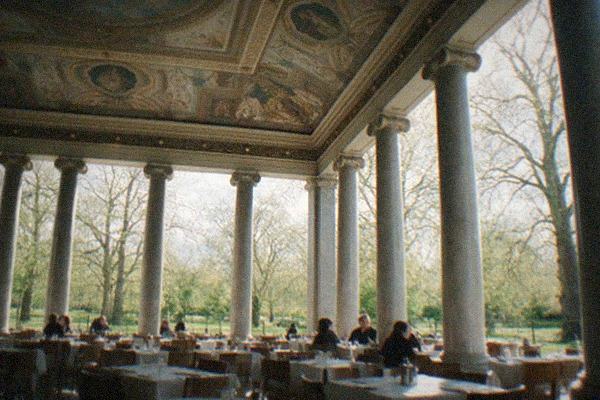
Greenwich · Europe's finest Baroque interior.
Baroque masterpiece at Old Royal Naval College with ceiling murals.
from $23.71per person, live price on the listing Check availability →
Bloomsbury, Great Russell Street · Rosetta Stone in the Egyptian Sculpture Gallery
World-renowned collection of human history and culture spanning two million years.
Free entry, no ticket needed.