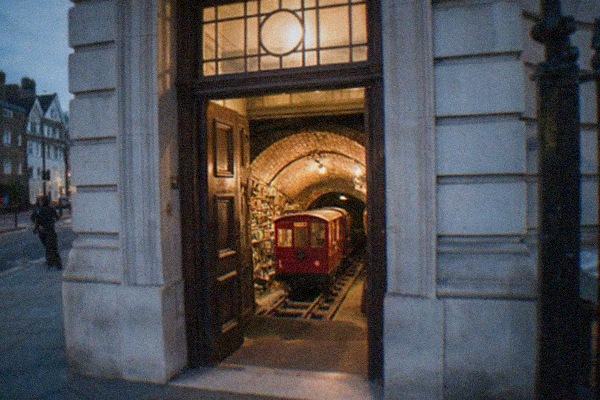
Postal Museum
Bloomsbury, Phoenix Place · Mail Rail underground ride
History of the postal service with Mail Rail ride.
from $27.77per person, live price on the listing Check availability →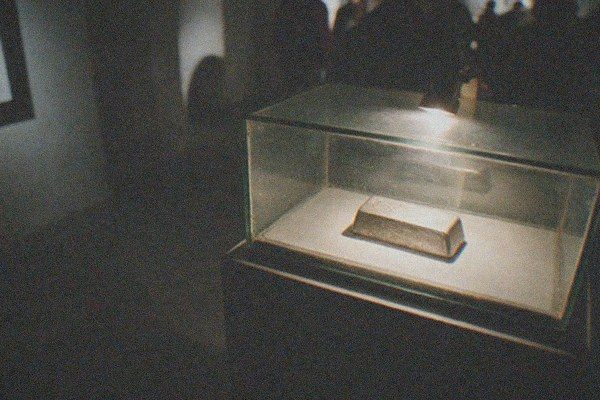
Free entry, no ticket needed.
Gold bars and historic banknotes
Plan your visit →Opens the museum's own visitor page. There is nothing to book: the permanent collection is free.
A small, serious museum inside the Bank of England itself, covering the history of the institution and of British currency. It suits anyone curious about gold bars, old banknotes and the story of money, and it costs nothing to walk in. Best paired with other City of London sights.
The museum's two great draws are its gold bars, which you can attempt to lift, and its historic banknotes, spanning centuries of British paper currency. Around them sit displays on the Bank's founding in 1694, its architecture, and the people who ran it. The whole thing covers the history of the Bank of England and of British money in one compact sweep.
The gold is the moment most visitors remember. The museum keeps a genuine bar on display in a case that lets you slide your hand beneath it and feel the weight. A standard London Good Delivery bar weighs roughly 13 kilograms, and nearly everyone who tries to lift it is surprised. There is something plainly enjoyable about a museum exhibit that resists you. Around the bar, displays explain how gold reserves work, why the Bank stores bullion, and how the vaults beneath the City fit into the wider story of sterling.
The banknote collection is the second thread. The museum traces paper money from early handwritten promissory notes through the engraved issues of the nineteenth century, to the polymer notes now in circulation. You can see withdrawn designs, printing plates, the elaborate engravings that made forgery harder, and notes from periods of crisis and change. For anyone who has ever looked at the queen or king on a fiver and wondered where the design came from, this is where the answers live. If the history of printed matter appeals to you, the Postal Museum covers a parallel story from the mail side of British life.
Beyond the hallmark objects, the galleries deal with the Bank as an institution. There is material on its founding by royal charter at the end of the seventeenth century, its move to Threadneedle Street, the rebuilding of Sir John Soane's headquarters, and the changing look of the building through wartime damage and modern redevelopment. Displays on inflation, on the Bank's role in steering the economy, and on the portraits and personalities of past governors fill out the picture. A reconstructed late eighteenth-century stock office, based on Soane's original banking hall, gives a sense of what doing business here once looked like.
The tone is more institutional than playful, and that suits the subject. This is not a science-centre style attraction with buttons to press at every turn. It is a museum about trust, debt, gold and paper, and it treats its visitors as grown-ups. That said, the gold bar case and the banknote displays do most of the heavy lifting for families, and children tend to enjoy both. The permanent collection is what you get for free; a small programme of talks and events runs alongside it, and some of those may charge.
Entry to the Bank of England Museum is free to all, year round, and no ticket is needed. There is no paid general admission and nothing to book for the permanent collection. Under-18s are free as well, though advance booking may be required for children's activities and group visits. The only costs to watch for are occasional special events, some of which may charge.
That is the whole picture where money is concerned. There is no adult price, no concession price, no family bundle, because there is nothing to buy at the door. You arrive, you walk in. The museum sits inside the Bank of England's own building on Threadneedle Street, and the free entry reflects the Bank's public role as much as anything. Visitors who like to plan ahead often assume a City institution must charge, and search for a booking page; here the honest answer is that no ticket exists for the permanent displays.
Two caveats are worth knowing. First, some events, including lectures, workshops and seasonal family activities, sit outside the free permanent offer and may charge. For anything listed in the museum's events calendar, check the current price on the museum's own site. Second, groups and school visits are handled separately from casual visitors, and advance booking may be required, including for under-18s taking part in organised activities. If you are bringing a class or a large family group, contact the museum first rather than turning up and hoping.
| Item | Price | Notes |
|---|---|---|
| Adult entry, permanent collection | Free | No ticket needed, year round |
| Child entry (under-18s) | Free | Advance booking may be required for some activities |
| Special events and talks | Some may charge | Check the current price on the museum's own site |
| Group or school visits | Free | Advance booking may be required |
Because nothing is being sold, there is no reason to compare prices or hunt for discounts, which is a pleasant change in central London. If you are building a day around free museums, the British Museum is also free to enter and can absorb an entire afternoon on its own, while the Painted Hall in Greenwich makes a striking paid contrast if your budget allows one paid stop.
This is a compact museum, and most visitors allow between one and two hours. There is no cafe inside, so plan refreshments elsewhere in the City. Weekday mornings tend to be quieter, and the museum sits in the heart of the financial district, so the surrounding streets are at their busiest on working days. Opening hours are published on the museum's own site.
The size is the practical fact. Unlike the great national museums, this one can be seen properly in a single visit without triage. A visitor with a general interest in the gold and banknotes will cover the main galleries in under an hour. Someone who reads every panel, and there are plenty worth reading, will need closer to two. There is no pressure either way, since entry is unticketed and there is no time slot to keep.
Timings around the working week matter more here than at most London museums. Threadneedle Street is inside the City of London, one of the busiest financial districts on earth. On weekday mornings and lunchtimes the pavements heave with office workers, and the area empties dramatically at weekends. That cuts both ways: a weekend visit means quieter museum crowds, but the wider City, its lunch spots and some transport links, feel half asleep. A weekday mid-morning visit often offers the best balance, though opening days should be confirmed before you travel. Do not assume Sunday opening; check the museum's own site for current opening hours and any planned closures, since the Bank occasionally closes the museum for institutional reasons.
| Planning At A Glance | Detail |
|---|---|
| Opening hours | On the museum's site |
| How long to allow | 1 to 2 hours |
| Nearest stations | Bank station, moments away |
| Entry route | Walk in, no ticket |
| On-site cafe | No, plan refreshments nearby |
School holidays can bring more families through the doors, especially during the museum's activity days for children. Those sessions are worth seeking out if you have under-18s with you, but remember that advance booking may be required, and some sessions may charge. Outside holiday periods, the museum is often one of the calmer free attractions in central London.
The museum is on Threadneedle Street in the City of London, and Bank station is the closest Underground and DLR stop, a minute or two from the entrance. Security is tighter than at most museums because the museum sits inside a working central bank, so allow time for bag checks and carry photo ID if you have it. Full accessibility details are on the museum's own site.
Arriving is straightforward. Bank station, served by the Central, Northern, Monument-linked Circle and District lines and the DLR, puts you essentially at the museum's doorstep. Moorgate, Liverpool Street and Cannon Street are all within a short walk for those coming from other directions, and countless buses serve the City. The museum's exact location is on Threadneedle Street, facing the intersection where the City's banking quarter concentrates, at coordinates 51.51447, -0.08762 for anyone navigating on foot or by cycle.
The security point deserves emphasis because it genuinely differs from other free museums. The Bank of England is a working institution, and the museum is housed within its perimeter. Expect an airport-style check on arrival, and note that large bags and luggage are likely to cause problems or be refused. Travel light. Photography rules and any restrictions on specific items are set out by the Bank, so consult the official museum pages before visiting with anything bulky. These arrangements can change with the national security posture, which is another reason to glance at the museum's official site on the day.
Accessibility information, including step-free access to the galleries and any facilities for visitors with disabilities, is published by the museum, and specific provisions should be confirmed there rather than assumed. Assistance and pre-visit enquiries are welcome by email or phone. For visitors combining several stops, note that the City is flat and compact, so moving on foot between sights here is easy, and the queue-free nature of an unticketed museum makes it a good fallback when a timed attraction nearby runs late.
The museum sits in the densest historic square mile in London, so pairing it is easy. The Bank's own architecture, the Royal Exchange, Mansion House and the church of St Margaret Lothbury stand within a couple of minutes' walk. The Tower of London, Monument and Leadenhall Market are also close, and free City churches reward a slower wander.
Start with the immediate surroundings. You exit the museum directly into the heart of the old City, where the Bank of England's severe 1930s facade by Sir Herbert Baker still anchors the intersection known simply as the Bank. Opposite stands the Royal Exchange, once the centre of London's money markets and now a shopping arcade you can wander through for free. Mansion House, the Lord Mayor's residence, is on the same junction. Leadenhall Market, with its striking Victorian roof, lies a short walk northeast and doubles as a lunch stop, since the museum has no cafe of its own.
For a bigger second museum, the choices depend on your appetite for walking or a short ride. The British Museum is roughly twenty minutes away on foot through the City and Holborn, or a quick hop on the Central Line from Bank to Holborn, and its vast free galleries swallow entire afternoons. If your interest in printed history was caught by the banknote displays, the Postal Museum near Clerkenwell extends the story of British communication, from the Penny Black to the mail rail, and it is a paid attraction, so budget accordingly. Across the river, the Painted Hall at the Old Royal Naval College in Greenwich offers the single most extravagant painted ceiling in the country, a world away from the sober ledgers of Threadneedle Street.
Closer to home, the City's own sights fill half a day without any transport. Monument, the 202-foot column commemorating the Great Fire of 1666, is a few minutes south. The Tower of London and Tower Bridge sit at the City's eastern edge. The church of St Stephen Walbrook, with its Henry Moore altar, is practically next door to the museum. The Barbican Centre, with free foyer spaces and paid exhibitions, is a ten-minute walk north. Few free museums in London come wrapped in so much paid and free history within a five-minute radius, which is the strongest argument for making this the anchor of a City day out.
If you want a short, free, genuinely interesting museum stop in the heart of the City, this fits the bill. It is best for visitors with a real curiosity about money, gold and institutions, and for anyone with a spare hour between other City sights. It is less suited to those wanting an all-day attraction or a hands-on family day out.
The honest summary is that this is a specialist museum with broad appeal. The gold bar you can try to lift and the centuries of banknotes give it two hooks that work on almost anyone, and the institutional history underneath rewards those who go deeper. But it is not large, it has no cafe, and its tone is more Treasury than toybox. Families with younger children will find enough for an hour, particularly during organised activity sessions, though those may require advance booking and some may charge.
For solo travellers, history enthusiasts and anyone working or staying in the City, the free entry and central location make it one of the easiest quality stops in London. There is no ticket to book, no price to weigh, no reason to hesitate. You simply go, and if it grips you, an hour becomes two. Given what the surrounding square mile offers, from the Royal Exchange across the road to the Tower down the hill, a visit here slots neatly into a wider day at no cost beyond your lunch.
Nothing. Entry is free to all, year round, and no ticket is needed for the permanent collection. There is no adult, child or concession price because there is nothing to pay. Some special events and talks may charge, so check the current price on the museum's own site for anything beyond the main galleries.
No booking is needed for the permanent collection, since entry is unticketed and free. However, advance booking may be required for children's activities and group or school visits, and some events may charge. For anything in the museum's events programme, contact the museum or check its official site before travelling.
The museum is on Threadneedle Street in the City of London, inside the Bank of England's own building. The exact coordinates are 51.51447, -0.08762. Bank station is the closest Underground and DLR stop, a minute or two's walk from the entrance, with Moorgate and Liverpool Street also nearby.
It is known for its gold bars and its historic banknotes. A real gold bar is displayed in a case where visitors can attempt to lift it, and the banknote galleries trace centuries of British paper currency, from early handwritten notes to modern polymer designs. These sit alongside displays on the Bank's history since 1694.
Most visitors allow between one and two hours. The museum is compact, so a general browse of the gold and banknote displays takes under an hour, while reading the panels in detail fills closer to two. There is no time slot to keep because entry is free and unticketed, so you can move at your own pace.
Under-18s enter free, and children tend to enjoy the gold bar they can try to lift and the banknote displays. The tone is more institutional than hands-on, so it suits a shorter family visit rather than a full day. Activity sessions run in school holidays, though advance booking may be required and some may charge.
Yes. Because the museum sits inside the working Bank of England, expect airport-style security checks on arrival, and large bags or luggage are likely to cause problems or be refused. Travel light and allow a little extra time. Current arrangements and any item restrictions are published on the museum's official site.
Some events, talks and workshops at the museum may charge, and these sit outside the free permanent collection. Where that applies, check the current price on the museum's own site rather than relying on third-party listings, and note that advance booking may be required, particularly for family activities and group visits.
Bloomsbury, Phoenix Place · Mail Rail underground ride
History of the postal service with Mail Rail ride.
from $27.77per person, live price on the listing Check availability →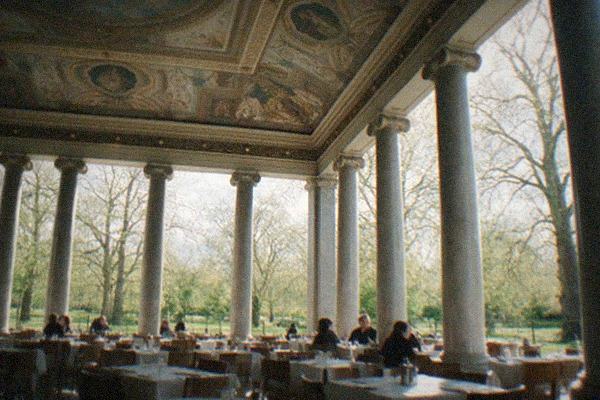
Greenwich · Europe's finest Baroque interior.
Baroque masterpiece at Old Royal Naval College with ceiling murals.
from $23.71per person, live price on the listing Check availability →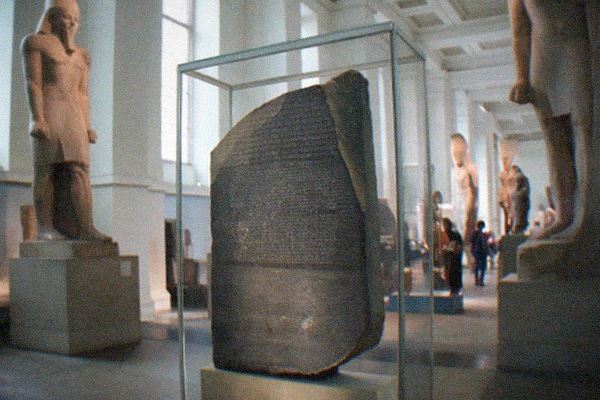
Bloomsbury, Great Russell Street · Rosetta Stone in the Egyptian Sculpture Gallery
World-renowned collection of human history and culture spanning two million years.
Free entry, no ticket needed.