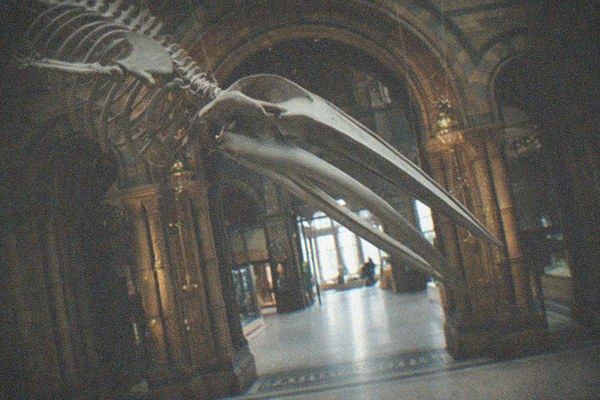
Natural History Museum
South Kensington, Cromwell Road · Hope the blue whale skeleton in Hintze Hall
Vast collection of natural specimens including dinosaurs, mammals, and minerals.
Free entry, no ticket needed.
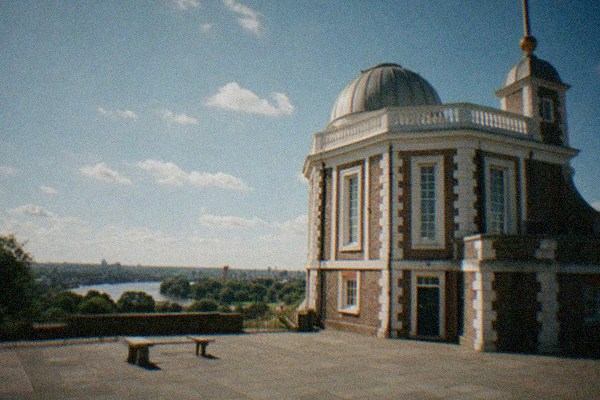
Astronomy and navigation history in Greenwich Park.
Current price on the listing
Check Price & Availability →Opens the official listing with live dates and prices. Book there; nothing is charged on this site.
The Royal Observatory in Greenwich is where GMT was established and where the Prime Meridian line runs through the courtyard. It suits anyone curious about timekeeping, astronomy and maritime history, and works well as a half-day visit paired with Greenwich Park and the riverfront museums.
The Observatory is the home of Greenwich Mean Time and the Prime Meridian, sitting at the top of a hill in Greenwich Park. Its historic instruments, timekeeping galleries and working planetarium trace how Britain solved the problems of longitude, navigation and clock-making from the 1670s onwards. The courtyard meridian line is the signature moment.
Charles II founded the Observatory in 1675 with a single brief: find longitude at sea. The astronomers royal who worked here, starting with John Flamsteed, turned stargazing into a practical science. Their observations made Greenwich the reference point for the world's time, and in 1884 an international conference fixed the Prime Meridian at this exact spot. Few buildings can claim a line on the map runs through them.
The most photographed feature is the meridian line set into the courtyard paving. Visitors stand astride it with one foot in the eastern hemisphere and one in the west, a small ritual that costs nothing but patience if there is a queue. The line is marked by a stainless steel strip and a laser that shines along the meridian at night, visible for miles across London.
Inside, the collections are genuinely hands-on for a historic site. You can see Harrison's marine timekeepers, the clocks that let ships fix their position at sea, and the great telescope domes that housed instruments from the Victorian era. The Altazimuth Pavilion and the Onion Dome still crown the hill, and the camera obscura in a summer house in the grounds gives a live projected view of London, weather permitting. Find the museum's own details at the official Royal Museums Greenwich site.
The Peter Harrison Planetarium, a striking tilted bronze cone at the observatory's edge, runs scheduled shows narrated by professional astronomers. Shows are ticketed separately from general admission and are the main reason some visitors book a longer slot here. If you are weighing this against other big London institutions, it is a different experience from somewhere like the Natural History Museum: smaller, quieter, and built around one scientific story told extremely well.
Standard adult admission is £24 and includes an audio guide. Children aged 4 to 15 pay £12, and under 4s enter free. Timed entry is required, so the practical route is to book a slot in advance online and arrive within your window. Check the current price on the museum's own site before booking, as offers and concession rates vary.
The ticket covers the historic Observatory buildings, the meridian courtyard, the timekeeping and astronomy galleries, and the audio guide. Planetarium shows are sold separately and have their own schedule, so if a show is on your list you should check showtimes when you pick your entry slot. A family visit combining the Observatory with the planetarium needs two bookings rather than one.
Concession prices for students, seniors and other groups exist but are not published in a single verified figure, so check the current price on the museum's own site. The same applies to family tickets and annual pass options. What is fixed on this page is the standard adult and child pricing, and the fact that £24 is the museum's own standard price, not a Gift Aid figure.
Booking a timed slot matters more here than at many London attractions. The hilltop site has narrow corridors, small rooms and a courtyard that fills quickly in good weather. Spreading arrivals through the day keeps those spaces usable. If you want the practical shortcut, the listing on this page carries current times and prices, which saves you hunting through multiple tabs.
| Ticket Type | Price | Notes |
|---|---|---|
| Standard adult | £24 | Includes audio guide. Not a Gift Aid figure. |
| Child (4 to 15) | £12 | Audio guide included per standard admission. |
| Under 4s | Free | Timed entry still required. |
| Concessions | On the museum's site | Student, senior and other rates vary; verify before booking. |
| Planetarium shows | On the museum's site | Priced separately from Observatory admission. |
Allow around two hours for the Observatory itself, or half a day if you add a planetarium show. Weekday mornings are the calmest window, and the courtyard meridian line is busiest at midday. Late afternoon in summer gives the best light over the city from the hilltop. Opening hours are not fixed on this page, so check them on the museum's own site.
The site is bigger than it first appears. Flamsteed House, the meridian buildings, the telescope domes and the galleries sit spread across the hilltop, and steep paths and stairs connect them. Visitors who rush it in an hour tend to miss the camera obscura and the quieter instrument rooms, which are often the best parts. Two unhurried hours is the realistic minimum for the core buildings.
Season matters. The view from the hill, across the Thames to Docklands and the O2, is the free bonus that comes with admission, and it is at its best on a clear evening. Winter visits mean shorter daylight, so a morning slot lets you see the view on the walk up through Greenwich Park. Check opening days on the museum's own site before travelling, as the Observatory does not open every day of the year and hours shift seasonally.
| At A Glance | Detail |
|---|---|
| Location | Greenwich, at the top of Greenwich Park |
| Nearest station | On the museum's site (Greenwich area rail, DLR and tube links serve the park's edges) |
| How long to allow | 2 hours; half a day with a planetarium show |
| Opening hours | On the museum's site |
| Closed days | On the museum's site |
| Timed entry | Required; advance online booking recommended |
| Included in admission | Historic buildings, galleries, meridian courtyard, audio guide |
| Coordinates | 51.47736, -0.00085 |
One planning note: the walk up the hill from the park gates takes ten to fifteen minutes at a steady pace and is steep in sections. Build that into your arrival time, because your timed slot assumes you are at the entrance, not at the bottom of the hill.
The Observatory sits at the top of Greenwich Park in south-east London, coordinates 51.47736, -0.00085. The nearest stations and current access details are listed on the museum's own site. Expect a steep climb from the park gates, cobbled courtyard surfaces and stairs inside the historic buildings. Book your timed slot before you travel.
Greenwich is well connected but the last leg is on foot. Rail services and the DLR reach Greenwich and Cutty Sark stations, and the tube serves North Greenwich on the Jubilee line, though that is a longer walk to the park. The riverboat to Greenwich Pier is the most enjoyable approach, arriving at the bottom of the park with the Observatory visible above you. Whichever route you take, the final ascent through the park is steep, so allow extra time and wear sensible shoes.
Accessibility is partial. The hilltop site predates modern building codes, and while there is step-free provision to many areas, some galleries and domes are reached only by stairs. Full, current accessibility information, including lift availability and assistance options, is on the museum's own site. There are adapted toilets on site. If step-free access is essential to your visit, verify the details on the official page linked above before booking.
On bags and facilities: the site is compact, so large suitcases are a problem and you should travel light. Standard luggage advice for London museums, keeping bags small and hands free, applies doubly here because of the stairs and narrow historic corridors. There is a cafe at the Observatory and larger food options down in Greenwich town. Weather matters too, since the courtyard, the meridian line and the viewpoints are all outdoors.
For the planetarium, arrive ahead of your show time. Latecomers are usually not admitted to planetarium shows once the dome is dark, which is standard practice for projection venues. Pair your two bookings so the show follows your gallery visit and you are not racing uphill between them.
Visit the meridian courtyard first for the line itself, then Flamsteed House, the timekeeping galleries with Harrison's marine clocks, the great refractor telescope in its onion dome, and the camera obscura. The planetarium is the fifth element, a separately ticketed show under a digital dome. Each part tells one connected story: how time was measured and the world was mapped.
The meridian courtyard is the anchor. The Airy Transit Circle, the instrument whose crosshairs defined zero degrees longitude, sits inside the Meridian Building, and the line on the ground extends the idea outdoors. Standing on it is the photograph everyone wants, so go early in your slot or at the end when coach groups have moved on.
The time galleries contain the finest display of precision clocks anywhere in Britain. John Harrison's marine timekeepers, built in the eighteenth century to win the longitude prize, sit alongside regulators kept by generations of astronomers royal. The audio guide included with admission earns its place here, because the technical detail rewards explanation: how a clock survives a rolling ship, why a second a day mattered, and how a small room of machines changed global navigation. The Royal Museums Greenwich collections pages cover the holdings in depth for anyone wanting the full catalogue before a visit.
The telescope domes give the astronomical half of the story. The 28-inch great refractor in the Onion Dome is the showpiece, and evening viewing sessions run at times published on the museum's own site. The Altazimuth Pavilion and the smaller instrument rooms show how observation work evolved from Flamsteed's first observations to photography and spectroscopy. Children tend to engage fastest with the planetarium and the camera obscura, while adults linger in the longitude galleries, so a mixed group may want to split and reconvene.
The Observatory pairs naturally with everything downhill from it: the National Maritime Museum, the Cutty Sark, the Old Royal Naval College and the Painted Hall, all within a short walk through Greenwich Park. A full Greenwich day is easy to build, with the Observatory as the hilltop anchor and the riverside museums filling the afternoon. Most are close enough to reach on foot in under fifteen minutes.
The National Maritime Museum sits at the foot of the park and shares the same longitude-and-navigation story from the seafaring side. Its galleries on exploration, Nelson and ocean trade complement the Observatory's science, and admission arrangements are on its own site. The Cutty Sark, the tea clipper preserved beside Greenwich Pier, is a ten-minute walk further and pairs well if you have children in tow, with the ship's hull and crew quarters open to explore.
The Old Royal Naval College, with the Painted Hall often described as the finest painted interior in England, lies between the park and the river. Greenwich Market, open on set days listed locally, covers food and crafts in the town centre. For a completely different register, and if you are planning a second day out in London, the Natural History Museum in South Kensington offers dinosaurs and earth sciences where the Observatory offers stars and clocks.
Practical sequencing: do the Observatory in the morning when your energy is highest, because the climb earns it, then work downhill. Lunch in Greenwich town, the Maritime Museum or Painted Hall in the afternoon, and finish on the riverboat back towards central London. That route turns the visit into a full day without a single extra commute, and the river trip doubles as sightseeing.
Standard adult admission is £24 and includes an audio guide. Children aged 4 to 15 pay £12, and under 4s enter free. Concession and family rates are not published in a single verified figure here, so check the current price on the museum's own site before you book.
Yes, timed entry is required, and advance online booking is the recommended route. You choose a slot and arrive within your window. Remember the Observatory sits at the top of a hill in Greenwich Park, so allow ten to fifteen minutes for the steep climb from the gates to reach the entrance on time.
Admission covers the historic buildings, the meridian courtyard with the Prime Meridian line, the timekeeping and astronomy galleries, and an audio guide. Planetarium shows are ticketed separately and run on their own schedule, so a show needs its own booking alongside your timed entry slot.
Allow around two hours for the core buildings and courtyard. If you add a planetarium show, plan for half a day. The site spreads across the hilltop with stairs and steep paths between buildings, so rushing it means missing highlights like the camera obscura and the instrument rooms.
The line runs through the Observatory courtyard in Greenwich, marked in the paving, and visitors stand astride it with one foot in each hemisphere. The site's coordinates are 51.47736, -0.00085, and the courtyard is the first stop on most visits because it is the busiest photo spot.
Access is partial. Many areas have step-free provision, but some galleries and telescope domes are reached only by stairs because the buildings are historic. Full current accessibility details, including adapted toilets and assistance options, are on the museum's own site, and it is worth checking them before booking.
The National Maritime Museum, Cutty Sark, the Old Royal Naval College and the Painted Hall all sit within a short downhill walk through Greenwich Park. A common plan is the Observatory in the morning, lunch in Greenwich town, the riverside museums in the afternoon, and a riverboat back towards central London.
Weekday mornings are the calmest, and the meridian courtyard is busiest at midday when coach groups arrive. Summer late afternoons give the best light over the city from the hilltop. Opening hours and closed days are not fixed here, so check them on the museum's own site before travelling.
South Kensington, Cromwell Road · Hope the blue whale skeleton in Hintze Hall
Vast collection of natural specimens including dinosaurs, mammals, and minerals.
Free entry, no ticket needed.
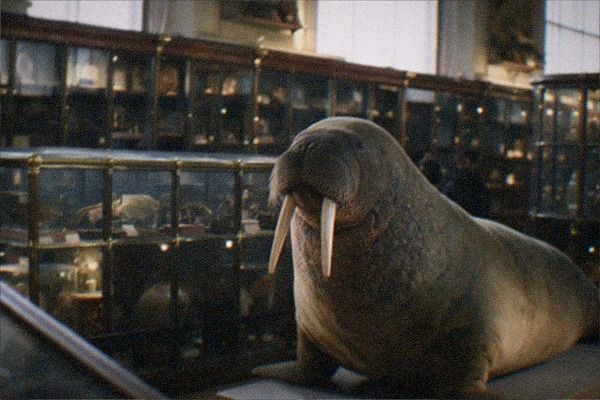
Forest Hill, London Road · Aquarium and gardens
Natural history, anthropology, and music collections with gardens.
Free entry, no ticket needed.
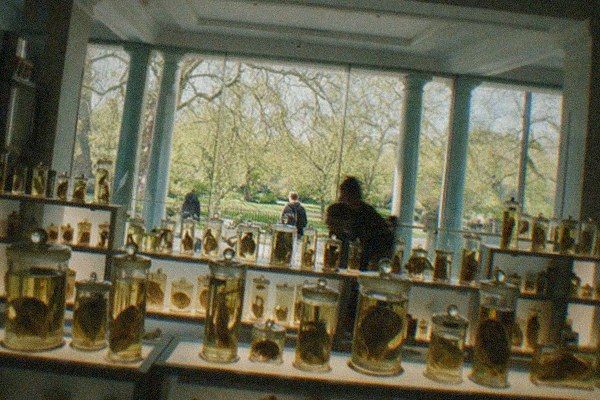
Lincoln's Inn Fields · John Hunter's 18th-century anatomical collection (reopened 2023).
Anatomical and surgical specimens collection at Royal College of Surgeons.
Free entry, no ticket needed.