Best Museums For Kids In London, By Age
The two museums children remember most, the Natural History Museum and the Science Museum, cost nothing to enter. The quieter ones cost money. Here is how to choose between them, by age.
 By James Whitfield, London Museums And Travel Writer
Short answer
The best free museums for kids in London are the Natural History Museum, the Science Museum and the Horniman Museum. The best paid options are the London Transport Museum (adults GBP 27, under-18s free) and Cutty Sark (adults GBP 22). Free ones get very busy in holidays; paid ones are noticeably quieter.
Taking a child to a museum in London is a genuinely good bet. The city has 48 museums tracked on this site, and 20 of them charge nothing to enter, including the two that children talk about for years afterwards: the Natural History Museum with its dinosaurs, and the Science Museum with its hands-on galleries. That is the good news.
The catch is crowds. The free giants fill up fast in school holidays and on wet weekends, and a seven-year-old who has queued for 40 minutes on Exhibition Road starts the visit already exhausted. The paid museums, meanwhile, are often quieter, better paced for small legs, and in a few cases worth every penny. This guide sorts the whole field by age band, names the ones that genuinely hold attention, and is honest about the ones where a child will be bored in twenty minutes.
Which London Museums Are Actually Good For Kids?
The museums that reliably hold a child's attention are the Natural History Museum, the Science Museum, the London Transport Museum, Cutty Sark, the Horniman Museum and the Postal Museum. Four of those six are free to enter. The two that charge, the Transport Museum and Cutty Sark, are also the two where you are least likely to fight through a crowd, which is part of what you are paying for.
Attention is the real currency here, not admission price. A museum can be world-class and still lose an eight-year-old in the first gallery, because world-class usually means dense labels, glass cases and adult eye-lines. The six named above work because each has something a child can do, not just look at: a button to press, a train to climb into, a scale to stand on, a mail rail carriage to ride.
Age matters more than league tables. The Natural History Museum is close to magical for a five-year-old and can feel like a corridor of bones to a fourteen-year-old who has seen it twice. The Postal Museum's mail rail ride, by contrast, is perfect for under-tens but has limited pull for teenagers. Before you pick a museum, pick the age band, and the rest of this guide does that work for you.
It is also worth saying plainly: the famous free museums being free does not mean everything inside them is free. The Natural History Museum charges for its special exhibitions, and the Science Museum's Wonderlab and Power Up attractions are paid add-ons. Budget for those if your child is the sort who will see the entrance and want in.
What Are The Best Free Museums For Kids In London?
The best free museums for children in London are the Natural History Museum, the Science Museum, the Horniman Museum, the Imperial War Museum and the Museum of London Docklands. All five cost nothing to enter year-round, though special exhibitions inside them usually charge. Expect the South Kensington pair to be extremely busy in school holidays and on rainy days.
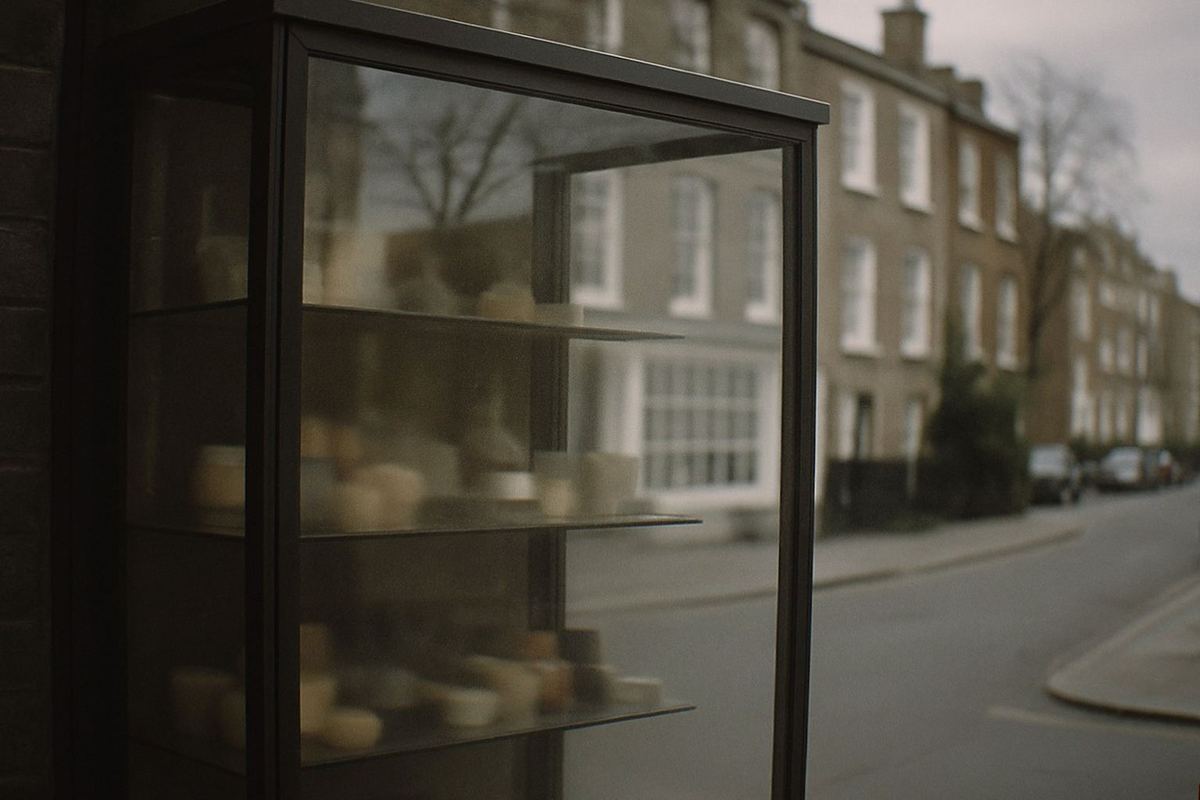
The Natural History Museum in South Kensington is the headline act, and it earns it. The dinosaurs, the blue whale hanging in the entrance hall, and the earthquake simulator give a child three things to tell their classmates about. Entry is free, an advance free ticket is recommended for busy periods, and the museum recommends booking ahead in holidays. The queues outside on a wet Saturday are the price of free.
The Science Museum, a few minutes' walk away on Exhibition Road, suits a slightly older child. Its hands-on galleries reward reading, so it peaks around ages seven to twelve. General admission is free with a recommended advance ticket, but the Wonderlab and Power Up attractions inside are paid, so decide before you arrive whether you are doing the free visit or the paid one, because a child will absolutely ask.
| Free museum | Neighbourhood | Best age band | The thing they remember |
|---|---|---|---|
| Natural History Museum | South Kensington | 4-12 | Dinosaurs and the blue whale |
| Science Museum | South Kensington | 7-14 | Hands-on galleries and Wonderlab |
| Horniman Museum | Forest Hill | 3-10 | The overstuffed walrus and the aquarium |
| Imperial War Museum | Lambeth | 9+ | The tanks and the Spitfire |
| Museum of London Docklands | Canary Wharf | 5-11 | The sailortown street |
The Horniman Museum in Forest Hill is the insider's choice. It is free, it is far enough south that tourist crowds rarely reach it, and its overstuffed walrus is a London childhood landmark. The aquarium inside charges a small fee, which is the same free-but pattern again. The Imperial War Museum works from around age nine, when the tanks and aircraft stop being just big objects and start being stories.
If you are building a whole trip around free entry rather than just one museum day, the site's free museums in London guide lists all twenty that never charge, with what still costs money inside each one.
Which Paid Museums Are Worth The Ticket For Children?
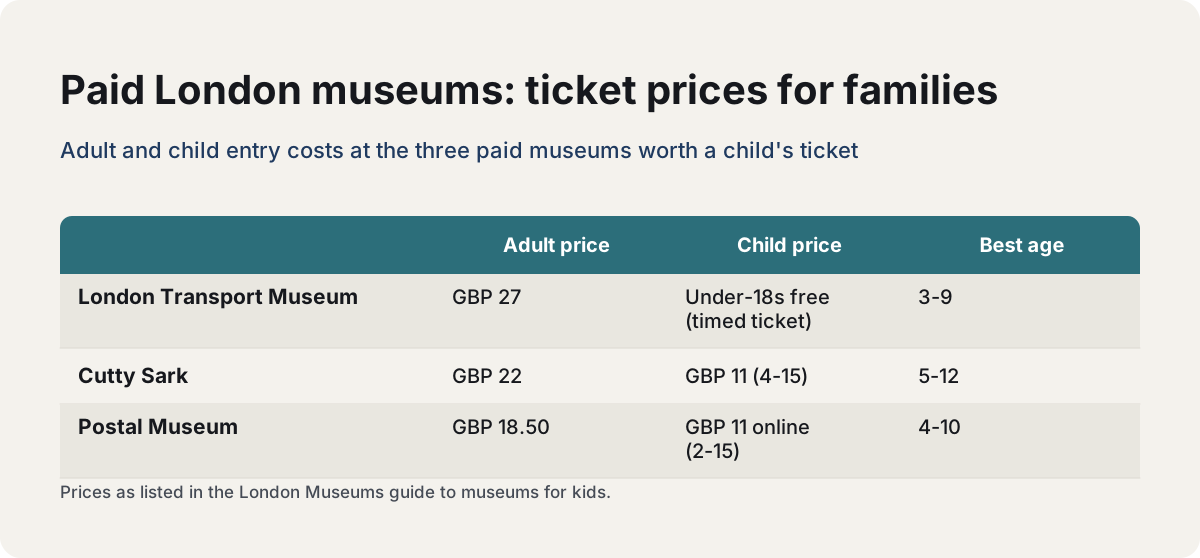
Two paid museums are clearly worth a child's ticket: the London Transport Museum, where adults pay GBP 27 and under-18s go free with a timed ticket, and Cutty Sark in Greenwich, where adults pay GBP 22 and children aged 4-15 pay GBP 11. Both are quieter than the free giants, and both let children climb on things rather than just look at them.
The London Transport Museum in Covent Garden is the best under-seven museum in the city, paid or free. Children board real buses, sit in the cab of a Tube train, and drive a simulator, and the whole building is designed to be touched. The pricing is unusually generous: under-18s enter free with a free timed ticket, so a family of four pays for two adults only. In Covent Garden, that also puts you next to one of the few parts of London that children enjoy with no museum ticket at all.
Cutty Sark is the second easy yes. The world's sole surviving tea clipper in Greenwich lets visitors walk beneath the hull, and the lower deck is genuinely atmospheric for a child who has read anything about sailors. It sits in the Greenwich cluster, so it pairs naturally with the free National Maritime Museum next door. If you are weighing the cost, the site's how much does it cost to visit the Cutty Sark post breaks down the full ticket options.
The Postal Museum deserves a mention here even though it is smaller. Its mail rail ride, a miniature train through the tunnels that once carried London's post, is aimed squarely at children, and adults pay GBP 18.50 with children aged 2-15 at GBP 11 online. It is timed-entry, which keeps the queues internal rather than on the street.
| Paid museum | Adult price | Child price | Quietest? | Best age |
|---|---|---|---|---|
| London Transport Museum | GBP 27 | Under-18s free (timed ticket) | Yes | 3-9 |
| Cutty Sark | GBP 22 | GBP 11 (4-15) | Fairly | 5-12 |
| Postal Museum | GBP 18.50 | GBP 11 online (2-15) | Yes | 4-10 |
| Horniman aquarium | Small fee | Small fee | Yes | 3-10 |
The honest framing is this: you are not paying for a better collection, you are paying for a calmer room. Whether that is worth GBP 22 to GBP 27 depends entirely on your child's tolerance for crowds, and you know that better than any guide.
Which Museum Suits Which Age Band?
Under-fives do best at the London Transport Museum and the Horniman. Five to eight is the sweet spot for the Natural History Museum and Cutty Sark. Nine to twelve suits the Science Museum and the Postal Museum's mail rail. Teenagers respond to the Imperial War Museum and the RAF Museum. Matching the museum to the age beats matching it to the guidebook.
Under-fives need touch, space and a short route. The Transport Museum's climb-on buses are ideal, and the Horniman's natural history gallery works because the animals are at child height and nobody minds a bit of noise. Avoid long label-heavy museums at this age: a toddler cannot read the case and will not forgive you for it.
Five to eight is where the famous free museums peak. The Natural History Museum's dinosaurs land perfectly here, and Cutty Sark's hull walk feels adventurous rather than educational. This is also the age band that fills those museums in the holidays, so the timing advice later in this guide matters most for exactly these families.
| Age band | First choice | Second choice | Skip for now |
|---|---|---|---|
| Under 5 | London Transport Museum | Horniman Museum | Imperial War Museum |
| 5-8 | Natural History Museum | Cutty Sark | National Gallery |
| 9-12 | Science Museum | Postal Museum | Foundling Museum |
| 13+ | Imperial War Museum | RAF Museum | Transport Museum |
Nine to twelve brings reading, and with it the Science Museum and the Postal Museum. The mail rail ride is still a hit, but the sorting-office role-play beside it only works for children who can follow the instructions. Teenagers are the hardest sell, and the war museums are the honest answer: real aircraft, real tanks and difficult questions tend to hold an older child where a dinosaur will not.
How Busy Do The Free Museums Get, And When Should You Go?
The free museums are busiest during school holidays, on rainy weekends and in the first hour after opening, when tour groups arrive. Going after 2pm on a weekday term-time is the single biggest crowd win available. The paid museums, especially the Transport Museum and the Postal Museum, run timed entry and stay noticeably calmer even in August.
The pattern is predictable enough to plan around. South Kensington's three museums, all free, absorb a flood of families every wet Saturday, and the security queue at the Natural History Museum can stretch well past the door by mid-morning. An advance free entry ticket does not skip the security line, it just guarantees you get in at all once you reach it. The wider set of guides lives on London Museums.
Late afternoon is the underrated slot. Most visitors, especially those with tour-group schedules or small children on a strict nap, go in the morning. From about 2pm on a weekday in term time, the galleries thin out, and the last admission window often feels almost private. Children also behave differently in a calmer room: they linger, they come back to things, they press the button twice.
If your child's heart is set on the dinosaurs but your tolerance for queues is not, a paid option exists. The Natural History Museum's own guided visits and exhibition tickets are sold through the operator's live listing, and exhibition ticket holders use a separate entrance. Check the current price on the listing, since exhibition rotations change what is on sale.
The site's piece on how to avoid queues at the Natural History Museum goes deeper on timing, entrances and the advance ticket, and is worth a read before any school-holiday visit.
Natural History Museum Or Science Museum: Which Is Better For Your Child?
For children under about eight, the Natural History Museum wins on spectacle: dinosaurs, the blue whale and the earthquake machine. For eight to twelve, the Science Museum wins on doing: its hands-on galleries reward a child who reads and experiments. Both are free, both sit on the same street, and doing one well beats sprinting through both.
The two museums are five minutes apart on Exhibition Road, which tempts every family into trying both in one day. Resist it, at least with children under ten. Each one is a half-day of real attention, and the second museum of the day is where meltdowns happen. Pick based on your child, not on completing the set.
The tie-breaker questions are simple. Does your child collect facts about animals, or take things apart to see how they work? The first is a Natural History child, the second a Science Museum child. Is your child under seven? Lean Natural History, because the spectacle needs no reading. Over ten? Lean Science, because the interactives finally click.
One more honest note: the Science Museum's best bits, Wonderlab and Power Up, are paid attractions inside a free museum. If you go intending to use them, budget for them, because walking a child past a paid gallery entrance is nobody's idea of a holiday. The Natural History Museum's paid layer is thinner: special exhibitions, which rotate, and some events.
What About Toddlers And Museums That Let Them Touch?
For toddlers, the London Transport Museum is the best museum in London: under-18s enter free, the buses and Tube cabs are made to be climbed on, and the building is short enough for one nap-safe visit. The Horniman Museum is the free runner-up, with animal displays at toddler height and a small paid aquarium. Most label-heavy museums are a poor fit under four.
The Transport Museum's pricing makes it almost a public service for this age group. Adults pay GBP 27, and under-18s enter free with a free timed ticket, so the toddler costs nothing and gets the run of vehicles built to survive exactly that. The layout is a single descending spiral, so you cannot get lost and you cannot overshoot a tired child's limit by accident.
The Horniman, out in Forest Hill, is the free alternative. Its taxidermy gallery is dense, at small-child height, and famously unfussy, and the surrounding gardens give an exit route when the museum part of the day is over. The aquarium charges, but it is a small, contained charge and a small, contained aquarium, which is actually the right size for a two-year-old.
Toddler rules of thumb: mornings beat afternoons, one gallery beats five, and a museum with a thing to sit inside beats a museum with a thing to look at. If you want more options that also work when the weather turns, the rainy day museums guide ranks the city's museums for exactly this kind of short, survivable visit.
How Do You Plan A Museum Day With Kids In London?
Plan one museum per day, arrive after the opening rush or after 2pm, book the free advance tickets where they exist, and put a paid, quieter museum on your busiest day. Combine Greenwich's Cutty Sark with the free Maritime Museum next door, or South Kensington's museums with the park, so the day has a release valve outside the galleries.
The single most common mistake is the double-header. Two free museums in one day sounds efficient and costs nothing, but children do not spend money, they spend attention, and attention runs out. One museum, done properly, with a park or a playground afterwards, produces a better day and better memories than a checkbox sweep of Bloomsbury.
Geography is your friend. Greenwich is the easiest family cluster in London: Cutty Sark, the free National Maritime Museum and the free Queen's House sit within a few minutes' walk of each other, with the river and the park between them. South Kensington works the same way for the free giants. Doing one cluster per day, with travel counted as part of the outing, keeps everyone sane.
| Cluster | Museums | Entry cost | Best plan |
|---|---|---|---|
| Greenwich | Cutty Sark, Maritime Museum, Queen's House | One paid, two free | Morning ship, free afternoon |
| South Kensington | Natural History, Science, V&A | All free | One museum only, then the park |
| Covent Garden | Transport Museum | Paid, under-18s free | Museum morning, piazza after |
| Bloomsbury | British Museum, Postal Museum | One free, one paid | British Museum early, mail rail later |
Book what needs booking and skip the rest. The free museums recommend advance free tickets in busy periods, the Transport Museum requires a timed ticket even for its free child entries, and Cutty Sark runs timed entry. Nothing here needs a rigid itinerary, but a phone booked the night before beats a queue at 10am with a child on your shoulders.
If you are turning this into a longer stay, the site's 3-day museum itinerary sequences the whole city sensibly, including which days to leave for Greenwich and which for South Kensington.
For families who want the ship rather than the bus, Cutty Sark tickets are listed on the operator's live listing, and the Cutty Sark tour page has the full details, including child pricing of GBP 11 for ages 4-15.
The short version, then: go free when the crowd is bearable, go paid when it is not, match the museum to the age, and never do two in a day. A child who remembers one whale beats a child who was dragged past six.
Common Questions About Kids' Museums In London
Which London museums are free for children?
The Natural History Museum, the Science Museum, the Horniman Museum, the Imperial War Museum and the Museum of London Docklands are free for everyone, adults included. At the London Transport Museum, adults pay GBP 27 but under-18s enter free with a free timed ticket. Most free museums still charge for special exhibitions, so check before promising a child a specific show.
Is the Natural History Museum good for a 5-year-old?
Yes, it is close to ideal for that age. The dinosaur gallery and the suspended blue whale need no reading and no patience for labels. Entry is free, and an advance free ticket is recommended for busy periods such as school holidays and rainy weekends.
Is the Science Museum or the Natural History Museum better for kids?
Under about eight, the Natural History Museum wins on spectacle. From eight to twelve, the Science Museum wins because its hands-on galleries reward a child who reads and experiments. Both are free and five minutes apart, but one done well beats both done in a rush.
Do children pay at the London Transport Museum?
No. Under-18s enter free, though they need a free timed ticket. Adults pay GBP 27. That pricing, plus the climb-on buses and Tube cabs, makes it the best museum in the city for toddlers and young children.
Are the free museums too crowded for children?
In school holidays and on rainy weekends, the South Kensington museums get very crowded, with security queues that a young child will feel keenly. Going after 2pm on a weekday in term time is the biggest improvement available at no cost. Paid museums such as the Transport Museum run timed entry and stay calmer even in August.
Which museum is best for toddlers in London?
The London Transport Museum, because the exhibits are designed to be climbed on and the layout is short. The Horniman Museum is the best free option, with displays at toddler height and gardens for the exit. Skip label-heavy museums under age four; they cannot read the cases and will not enjoy them.