History Museums In London: The Complete Guide To Free And Paid Collections
London holds world history at the British Museum and the city's own story at the London Museum Docklands, and twenty of its museums charge nothing to enter.
 By James Whitfield, London Museums And Travel Writer
Short answer
London's best history museums split into free national collections, including the British Museum and the Imperial War Museum, and paid highlights such as the Tower of London at GBP 37 and the Postal Museum at GBP 18.50. Twenty of the 48 museums in the city are free year-round, and most open on Mondays.
London has more history museums than most countries, and the range is wider than the usual shortlists suggest. One building on Great Russell Street holds two million years of human history, from Assyrian reliefs to the Rosetta Stone, and charges nothing to walk in. A warehouse in Canary Wharf tells the story of the city itself, from Roman Londinium to the Docklands regeneration, and it is free too. In between sit the paid classics: the Tower of London at GBP 37 for an adult, the Churchill War Rooms at GBP 34, and a cluster of small house museums where the history is personal rather than imperial.
This guide walks through the whole spread. It covers which collections are free and which charge, what each one is actually famous for, and how the writers' and collectors' houses, Soane, Dickens, Freud and Franklin, fit into a plan. The free and paid split matters more in London than in almost any other city, because the free tier is not a set of minor galleries: it includes several of the greatest museums on earth. London Museums keeps the full 48-museum roster, and this page focuses on the history strand of it.
What Are The Best History Museums In London?
The best history museums in London are the British Museum for world history, the Museum of London Docklands for the city's own story, the Imperial War Museum for modern conflict, the National Maritime Museum for Britain at sea, and the Tower of London for royal history. Four of those five are free to enter, and only the Tower charges a full admission price, GBP 37 for an adult at the door.
That list is deliberately broad, because "history" in London means three different things. The national collections, the British Museum, the Imperial War Museum and the Maritime Museum, cover world, military and naval history on a scale no other city matches. The royal palaces, the Tower, Hampton Court and Windsor, hold the political and dynastic story. Then there is a third tier that most visitors never hear about: the house museums, small buildings where one person lived or one collection was assembled, and where the history is intimate in a way the great galleries cannot.
The house tier deserves more attention than it gets. Sir John Soane's Museum in Lincoln's Inn Fields is free, and it is the actual home of the architect who built it, crammed with antiquities exactly as he left them. The Charles Dickens Museum in Bloomsbury is the house where he wrote Oliver Twist, at GBP 14 for an adult. The Freud Museum in Hampstead is where Sigmund Freud spent his final years, with the original psychoanalytic couch, at GBP 14.9. Benjamin Franklin House, the only surviving Franklin residence anywhere, is GBP 10. None of these is a substitute for the big museums, but a day that mixes one giant collection with one small house is a better day than two giants back to back.
Which History Museums In London Are Free To Enter?
Twenty of the 48 museums on this site's roster are free year-round, and the history strand includes the British Museum, the Imperial War Museum, the National Maritime Museum, the Museum of London Docklands, Sir John Soane's Museum, the Wallace Collection, Kenwood House and the Hunterian Museum. The free museums still charge for temporary exhibitions, so a blockbuster show can carry a ticket even when the building itself does not.
The free list is not a consolation prize. The British Museum, the Imperial War Museum and the National Maritime Museum would each be the flagship history museum of most European capitals, and a visitor could spend three days in London seeing nothing but free collections without repeating a room. The rule to remember is that free covers the permanent collection: special exhibitions, some events, and paid attractions inside a museum, such as the Science Museum's Wonderlab, still carry their own tickets. Check the exhibition schedule before assuming everything inside a free building is free.
The paid history museums cluster around royal sites and specialist collections. The Tower of London, Hampton Court Palace and Windsor Castle are the big three, run by the royal palaces organisations, and they carry the biggest prices. The specialist museums, the Postal Museum, the Freud Museum, the Dickens Museum, sit lower, mostly between GBP 10 and GBP 19.
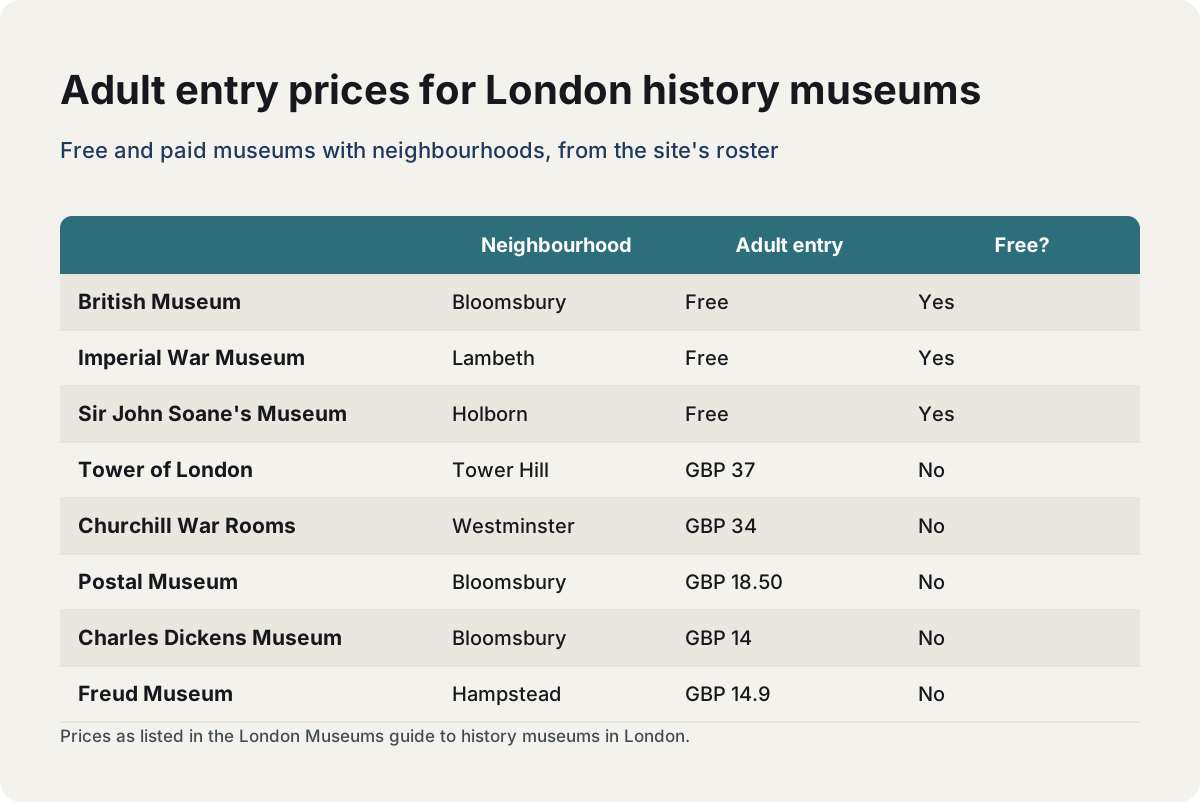
| Museum | Neighbourhood | Adult entry | Free? |
|---|---|---|---|
| British Museum | Bloomsbury | Free | Yes |
| Imperial War Museum | Lambeth | Free | Yes |
| National Maritime Museum | Greenwich | Free | Yes |
| Museum of London Docklands | Canary Wharf | Free | Yes |
| Sir John Soane's Museum | Holborn | Free | Yes |
| Tower of London | Tower Hill | GBP 37 | No |
| Churchill War Rooms | Westminster | GBP 34 | No |
| Postal Museum | Bloomsbury | GBP 18.50 | No |
| Charles Dickens Museum | Bloomsbury | GBP 14 | No |
| Freud Museum | Hampstead | GBP 14.9 | No |
One more thing worth knowing before you budget: UK charity venues display a higher Gift Aid price beside the standard one, because it includes a voluntary donation. Every GBP figure in this guide is the standard price, not the Gift Aid one, so the number on the door may look slightly higher than the number here. Paying the Gift Aid price is a genuine option, not an obligation.
If you would rather have a guide than a map, the three most bookable history experiences in the city cover the spread: the British Museum itself, the Postal Museum's underground railway, and the Painted Hall in Greenwich.
Why Is The British Museum The Anchor For World History?
The British Museum on Great Russell Street holds around two million years of human history, including the Rosetta Stone, the Parthenon sculptures and the Egyptian mummies, and entry to the permanent collection is free. Advance booking is recommended but not required, and timed entry applies, so a free ticket for a chosen slot saves queuing at busy times.
It is the one museum in London that belongs on any history itinerary regardless of your interests, because its collection is not about Britain: it is about everywhere. The Assyrian lion hunts, the Sutton Hoo ship burial, the Benin Bronzes and the moai from Easter Island sit within a fifteen-minute walk of each other. The nearest Tube station is Tottenham Court Road or Holborn, and the museum's own visit pages carry the current opening hours and exhibition schedule.
For a first visit, two hours is the realistic minimum, and even that means choosing. The ground floor Egyptian and Assyrian galleries plus the Enlightenment Room on the first floor make a coherent two-hour route; the Parthenon sculptures deserve their own unhurried stretch. A highlights tour solves the choosing problem, and the guided option is inexpensive: from $9.31 per person, rated 4.3 across 978 reviews on the live listing. Under-16s enter free, though details vary by age band for special exhibitions.
The museum's history is itself part of the story. Founded in the eighteenth century from the collection of Sir Hans Sloane, it was the first national public museum in the world, free to all "studious and curious persons" from the start. That founding principle is why the permanent collection has never charged, and it is the reason a London history trip can be built almost entirely around free entry. The debates over contested objects, the Parthenon sculptures above all, are live and ongoing, and honest coverage of the museum includes them.
Where Does London Tell Its Own Story?
London's own history is told at the Museum of London Docklands in Canary Wharf, free to enter, covering the city from Roman Londinium through the port's heyday to the Docklands regeneration. The Imperial War Museum in Lambeth, also free, carries the national story of conflict from the First World War onward.
The Docklands museum sits in a converted Georgian sugar warehouse on West India Quay, and its permanent gallery walks the river's whole history: the Roman settlement, the medieval port, the slave trade, the Blitz, and the container revolution that killed the docks in the late twentieth century. For a visitor who has spent a morning at the British Museum looking at the whole world, this is the counterweight, the story of one city told through its river. Children under 18 enter free, and the museum recommends advance booking for its temporary exhibitions. The nearest station is Canary Wharf on the Jubilee line.
The Imperial War Museum, on Lambeth Road, is the other half of the city's own story, because the twentieth century did more to reshape London than any century before it. The permanent galleries run from the First World War through the Second, and the building's atrium, with its Spitfire, V2 rocket and tank, is one of the great free rooms in Europe. Under-16s enter free, and some exhibitions and events carry separate tickets.
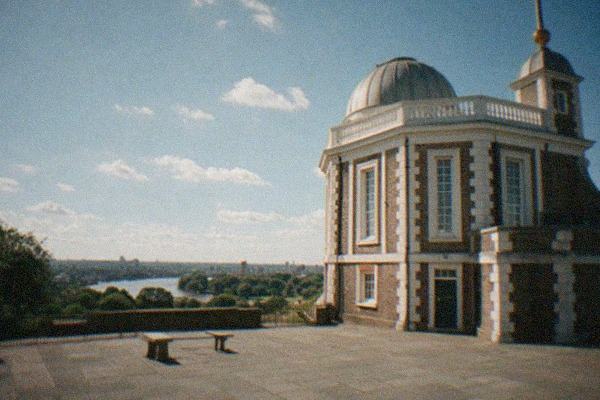
Greenwich carries a third strand of the city's story, maritime London, and the National Maritime Museum there is free as well, with the Royal Observatory, the Painted Hall and Cutty Sark within a ten-minute walk. The maritime museum's own site lists what is currently showing, since its exhibition programme changes through the year. Under-18s enter free, and some exhibitions and events are ticketed separately.
For anyone weighing a paid ticket against all this free entry, the honest framing is simple: the paid history experiences in London are not better than the free ones, they are different. The Churchill War Rooms at GBP 34 is a walk-through of the actual underground bunker, not a gallery about it, and no free museum replicates that. The Tower of London at GBP 37 is the Crown Jewels and the ravens and a thousand years of executions, in the building itself. A good plan spends money on the experiences that need a ticket and takes the free collections in between.
What Are The Writers' And Collectors' House Museums?
The house museums are small, mostly paid, and hold personal history: the Charles Dickens Museum at GBP 14, the Freud Museum at GBP 14.9, Benjamin Franklin House at GBP 10, and the free Sir John Soane's Museum. Each is the actual building where the person lived or worked, with original contents, not a reconstruction.
This tier is where London beats almost every rival city, because the buildings survived. The Dickens Museum at 48 Doughty Street is the house where he wrote Pickwick Papers and Oliver Twist; under-6s enter free and 6-16s pay GBP 8. The Freud Museum at 20 Marnesfeld Gardens in Hampstead is where Freud lived after fleeing Vienna in the years before the Second World War, and the famous couch is in the study, exactly as his patients would have seen it; under-12s enter free. Guided options for the Freud Museum start from $20.18, rated 4.8 across 287 reviews.
Benjamin Franklin House on Craven Street is the only one of Franklin's residences still standing anywhere in the world, and he lived there for many years before the American Revolution. Entry is GBP 10, timed, and the tour-led format means booking ahead matters. Keats House in Hampstead, GBP 10.30, is where the poet wrote his great odes, and it is door-only: no online ticket exists at all, so you simply turn up. John Wesley's House on City Road, GBP 10, works the same way.
Sir John Soane's Museum is the exception on price and the rule on character. The architect's own house in Lincoln's Inn Fields is free, and he arranged it as a teaching collection: mirrors, domes and hidden panels turn three narrow townhouses into an architectural puzzle box, with the sarcophagus of Seti I at the heart of the crypt. Advance booking may be required, and it is worth checking, because visitor numbers are capped to protect the interiors. Under-18s enter free.
The practical difference between this tier and the national collections is time. A house museum takes an hour or so, not half a day. That makes them the ideal filler between two big stops, or the right choice for a rainy afternoon when a four-hour museum feels like too much. The rainy day museums guide covers more options for exactly those days.
| House museum | Who lived there | Adult entry | Children |
|---|---|---|---|
| Sir John Soane's Museum | Sir John Soane, architect | Free | Under-18s free |
| Charles Dickens Museum | Charles Dickens, novelist | GBP 14 | Under 6 free; 6-16 GBP 8 |
| Freud Museum | Sigmund Freud, psychoanalyst | GBP 14.9 | Under 12 free |
| Benjamin Franklin House | Benjamin Franklin, statesman | GBP 10 | Under-18s free or reduced |
| Keats House | John Keats, poet | GBP 10.30 | Under-18s free or reduced |
| John Wesley's House | John Wesley, preacher | GBP 10 | Free by donation policy |
What Royal And Political History Can You See In London?
Royal history in London means the Tower of London at GBP 37, Kensington Palace at GBP 24.7 and Banqueting House at GBP 10, plus the Household Cavalry Museum at GBP 11 for the working stables behind Whitehall. Political history sits in the Churchill War Rooms at GBP 34, the actual cabinet bunker beneath Westminster.
The Tower is the most expensive history ticket in the city and, for most visitors, still worth it: the Crown Jewels, the Yeoman Warders, the White Tower's armouries and the medieval palace cover a thousand years in one fortified site. Children aged 5-15 pay GBP 18.50 and under-5s enter free, and timed entry applies, so slots on the early tours go first at weekends. The Tower of London ticket guide breaks down what the price includes and whether buying online is cheaper.
The Churchill War Rooms is the other heavyweight. It is the Map Room and the Cabinet Room exactly as they were left at the end of the war, sealed and preserved, with the Churchill Museum attached. Children aged 5-15 pay GBP 17 and under-5s enter free. Timed entry applies, and the afternoon slots in peak season go first. The war museums guide places it alongside the Imperial War Museum and the RAF Museum, both free, for a fuller conflict itinerary.
Two smaller sites complete the political strand. Apsley House at Hyde Park Corner, GBP 11.9, is the Duke of Wellington's actual home, with his art collection and the plate from the Waterloo banquet. The Household Cavalry Museum on Whitehall, GBP 11, sits in the working stables of the mounted regiments, and you can watch the horses through the glass screen while troopers prepare for ceremony. Banqueting House on Whitehall, GBP 10, holds the Rubens ceiling painted for Charles I, the last building he walked through before his execution, but note the closure: it closes around 20 September 2026 for conservation, reopening only for scheduled Open Days, so do not plan around it being open.
Is The Postal Museum A Real History Museum?
The Postal Museum in Bloomsbury is a genuine social-history museum, GBP 18.50 for an adult, covering centuries of Britain's communication network, and its real draw is the underground Mail Rail ride through the abandoned tunnels that carried post beneath the city. Children aged 2-15 pay GBP 11 online and under-2s enter free with an adult.
It is a fair question, because the name sounds niche, and the answer is that the permanent gallery is better than most visitors expect: the Penny Black, the postal coaches that were robbed by highwaymen, the cat that was officially on the payroll as a mouser, and the letters that carried the country's private history for centuries. Social history is history, and few museums show how ordinary Britons actually lived and communicated as clearly as this one. The museum sits on Phoenix Place in Bloomsbury, a short walk from the British Museum, which makes the two an easy pairing.
The Mail Rail is the reason to book rather than just turn up. The miniature railway ran post between sorting offices for decades until it closed, and the ride runs through the original tunnels, which are too narrow and too deep to have ever been used for anything else. Timed entry applies to the whole visit, so the ride slot sets the schedule. The Postal Museum train ride guide covers how long the experience takes end to end.
What Makes Greenwich A History Destination On Its Own?
Greenwich packs four history sites within a ten-minute walk: the free National Maritime Museum, the free Queen's House, the Painted Hall inside the Old Royal Naval College, and the Royal Observatory at GBP 24, plus the Cutty Sark at GBP 22. It is the only part of London where a full history day can be walked end to end without transport.
The Painted Hall is the sleeper hit. Painted over many years by James Thornhill, it is often called the Sistine Chapel of the UK, a baroque ceiling of naval glory covering the entire main hall of the Old Royal Naval College. An adult ticket starts from $23.71 on the live listing, rated 4.5 across 266 reviews, and under-18s enter free or reduced. Advance booking is recommended, and timed entry applies, because the hall caps numbers to protect the painted surfaces.
The Royal Observatory, GBP 24 for an adult, is where the Prime Meridian is marked in the courtyard, and standing with one foot in each hemisphere is the classic photo. Children aged 4-15 pay GBP 12 and under-4s enter free. The Cutty Sark, the last surviving tea clipper, is GBP 22, with children aged 4-15 at GBP 11 and under-4s free. The Greenwich museums guide covers the full day plan, including how the free sites and the paid ones slot together.
How Do You Plan A History Museum Itinerary In London?
A three-day history itinerary works best split by geography: day one around Bloomsbury and the British Museum with the Dickens or Soane houses, day two in Westminster for the Tower, War Rooms and Household Cavalry, and day three in Greenwich for the maritime cluster. Most London museums are open on Mondays, unlike Paris and Amsterdam, so the days do not need to fit a weekend.
The geographic logic matters more than the themes, because London's history museums are not clustered. Bloomsbury alone holds the British Museum, the Postal Museum, the Dickens Museum, the Foundling Museum and the Hunterian Museum, all walkable. Westminster holds the Tower, the War Rooms, the Household Cavalry Museum and Banqueting House. Greenwich, Hampstead and Kensington each need their own half-day trip. Trying to see the Freud Museum and the Tower on the same afternoon means an hour of transport for a short visit.
| Day | Area | Morning | Afternoon | Total adult cost |
|---|---|---|---|---|
| 1 | Bloomsbury | British Museum (free) | Postal Museum GBP 18.50 | GBP 18.50 |
| 2 | Westminster | Churchill War Rooms GBP 34 | Household Cavalry Museum GBP 11 | GBP 45 |
| 3 | Greenwich | Maritime Museum (free) | Painted Hall or Observatory | From GBP 24 |
The three-day museum itinerary expands this into a full plan, and the London Pass guide covers when a pass beats individual tickets. The short version: a pass pays off on the heavy Westminster day, when the Tower and the War Rooms alone reach GBP 71, but it does nothing on a free-museum day, so the free and paid days should be kept separate in any plan.
A Free Walk That Passes These Museums
Not every way to see London costs money. A free, pay-what-you-want walking tour passes British Museum: The Bible at the British Museum runs 2h and is rated 4.93 across 144 reviews. It meets at 52 Great Russell St, London WC1B 3BA. After security, on the right side of the first gallery in front of the Greenville Room souvenir shop. The guide wears a yellow shirt and a GuruWalk badge. Booking costs nothing and the guide is tipped at the end, which is the arrangement rather than a hidden charge. There are 48 of these walks across London, and another covers a different part of the centre.
Common Questions About History Museums In London
Which history museums in London are free?
The British Museum, the Imperial War Museum, the National Maritime Museum, the Museum of London Docklands, Sir John Soane's Museum, the Wallace Collection, Kenwood House and the Hunterian Museum are all free year-round. Twenty of the 48 museums on this site charge nothing to enter. The free museums still sell tickets for temporary exhibitions.
How much does the Tower of London cost?
An adult ticket to the Tower of London is GBP 37 at the door, with children aged 5-15 at GBP 18.50 and under-5s free. Timed entry applies. Booking online is usually slightly cheaper than paying on the day.
Do I need tickets for the British Museum?
Entry to the permanent collection is free, and advance booking is recommended but not required. Timed entry applies, so a free booked slot saves queuing at busy times. Special exhibitions and some events are ticketed separately.
What is the best history museum for children?
The Postal Museum with its Mail Rail ride is the strongest paid option for families, with children aged 2-15 at GBP 11 online. The free options include the Museum of London Docklands and the Imperial War Museum, where under-16s enter free. The museums for kids guide has the full family shortlist.
Can you visit history museums in London on a Monday?
Yes. Most London museums are open on Mondays, unlike Paris and Amsterdam, where Monday closures are common. A few smaller house museums close one day a week, so check the individual museum's own site before travelling for a specific one.
Is the Churchill War Rooms worth GBP 34?
For most visitors, yes, because it is the preserved bunker itself, not a gallery about it, and nothing free in the city replicates the experience. Children aged 5-15 pay GBP 17 and under-5s enter free. Timed entry applies, so book a slot ahead in peak season.
If the plan is settling, the three most bookable history experiences remain the British Museum highlights walk, the Postal Museum with its Mail Rail ride, and the Painted Hall in Greenwich, and all three can be reserved with free cancellation.